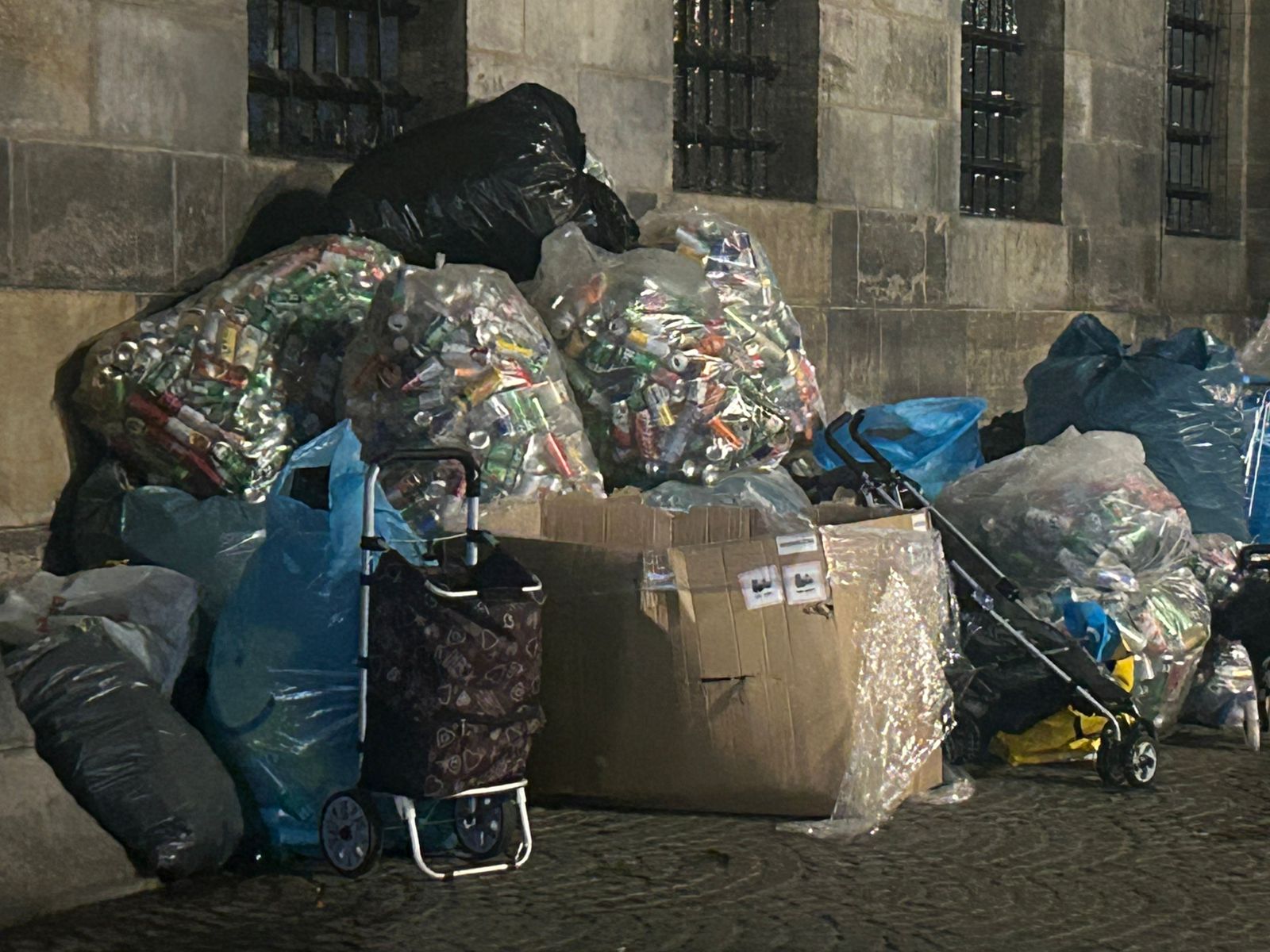

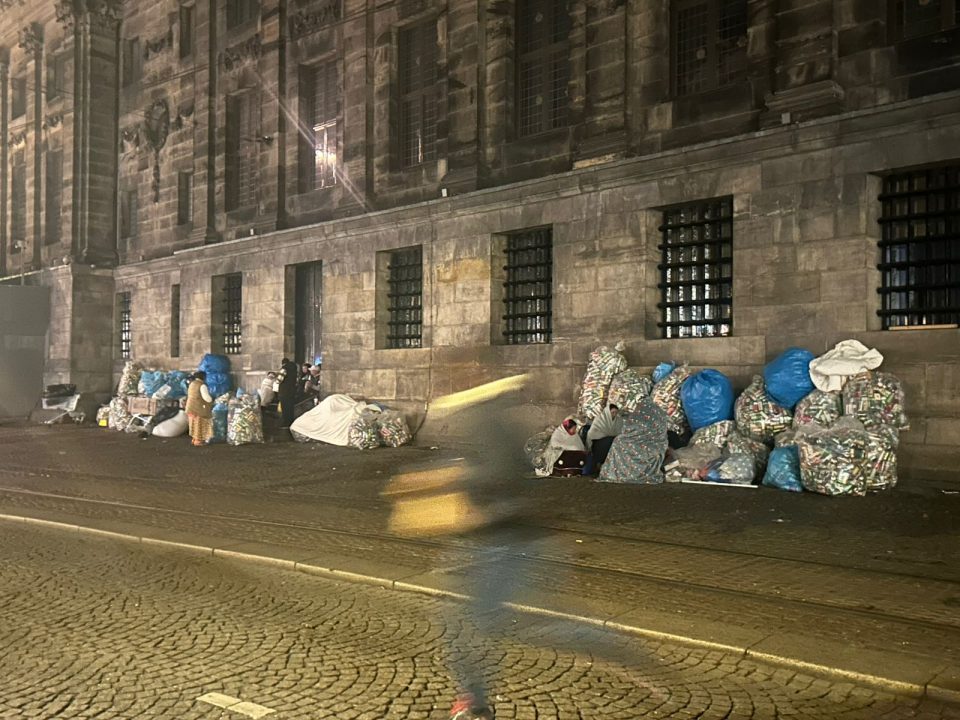
The Netherlands is internationally recognized for its advanced recycling system, known as “Statiegeld” (deposit return scheme). This model not only ensures the country remains clean but has also become an alternative source of income for individuals facing difficulties in the labor market.
The “Statiegeld” system functions based on a deposit on plastic bottles and cans of soda or beer. When a consumer purchases these products, they pay an extra portion that they receive back when they return the empty bottle or can into special machines at supermarkets.
An Incentive for the Citizen The unique aspect of this system in the Netherlands is the motivation it creates within the community. It is not just individual consumers recycling their own waste; the system has opened doors for people who, for one reason or another, do not have a steady job.
Alongside the cleaning companies contracted to maintain public areas, there is a growing group of citizens who, on their own initiative, collect empty bottles and cans in parks, streets, and after large events. For these individuals, “Statiegeld” acts as a “voluntary incentive” that generates cash, thus contributing to their personal economy while they perform an essential job for the community: keeping the country clean. However, it is not only the homeless or unemployed who do this; many students also participate to earn extra money while studying.
Efficiency in Public Sanitation This system creates an efficient balance in the sanitation chain. While official cleaning companies can focus on larger or more specialized tasks, the “Statiegeld” apparatus motivates citizens to collect the most common waste before it even reaches nature or remains on the street.
In this way, the Netherlands achieves a cleaner country without the need for constant supervision, transforming what was once “trash” into a product with direct monetary value for those who need it most.
A system or idea that Aruba could adopt from the Netherlands?