

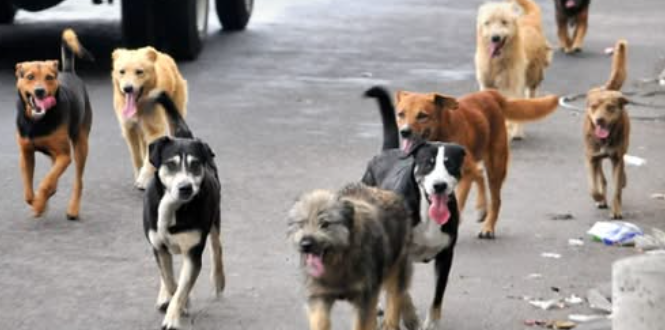
Allison Wood, a well-known figure in the fight for animal welfare in Aruba, has issued a strong call for unity among foundations, the government, and the community to address the serious problem of stray dogs. According to Wood, while the foundations have the will, the situation will remain a difficult challenge for the island without a cohesive and sustainable plan.
Government Must Take a More Active Role Although many foundations work tirelessly, Wood emphasizes that the lack of support—whether financial or general is a significant obstacle. She proposes that the government listen to all foundations to collectively create a general plan that unites all efforts. Furthermore, Wood believes the solution does not lie solely with the government and foundations; other sectors, such as farmers (cunukeronan), must also be involved in the dialogue and subsequent actions.
Lasting Solutions vs. Antiquated Methods Reflecting on decades of history, Wood explains that the so-called “kill cage,” which operated for over 40 years, was not a solution and is certainly not sustainable. “Simply eliminating the dogs is not the definitive solution,” she noted. Instead, foundations are advocating for:
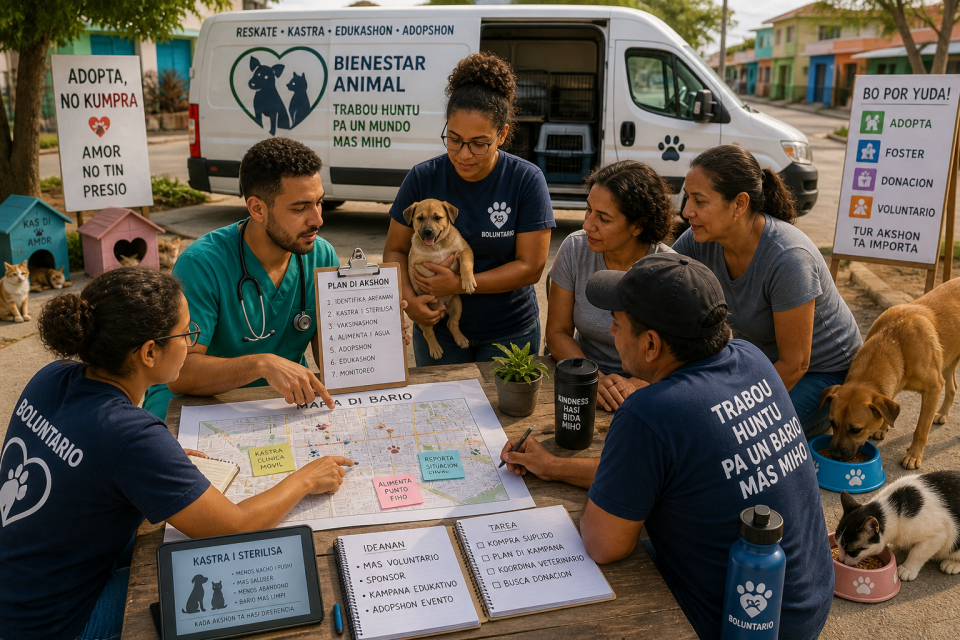
- Sterilization Campaigns: “Spay and Neuter” programs need much more governmental support to have a real impact on the animal population.
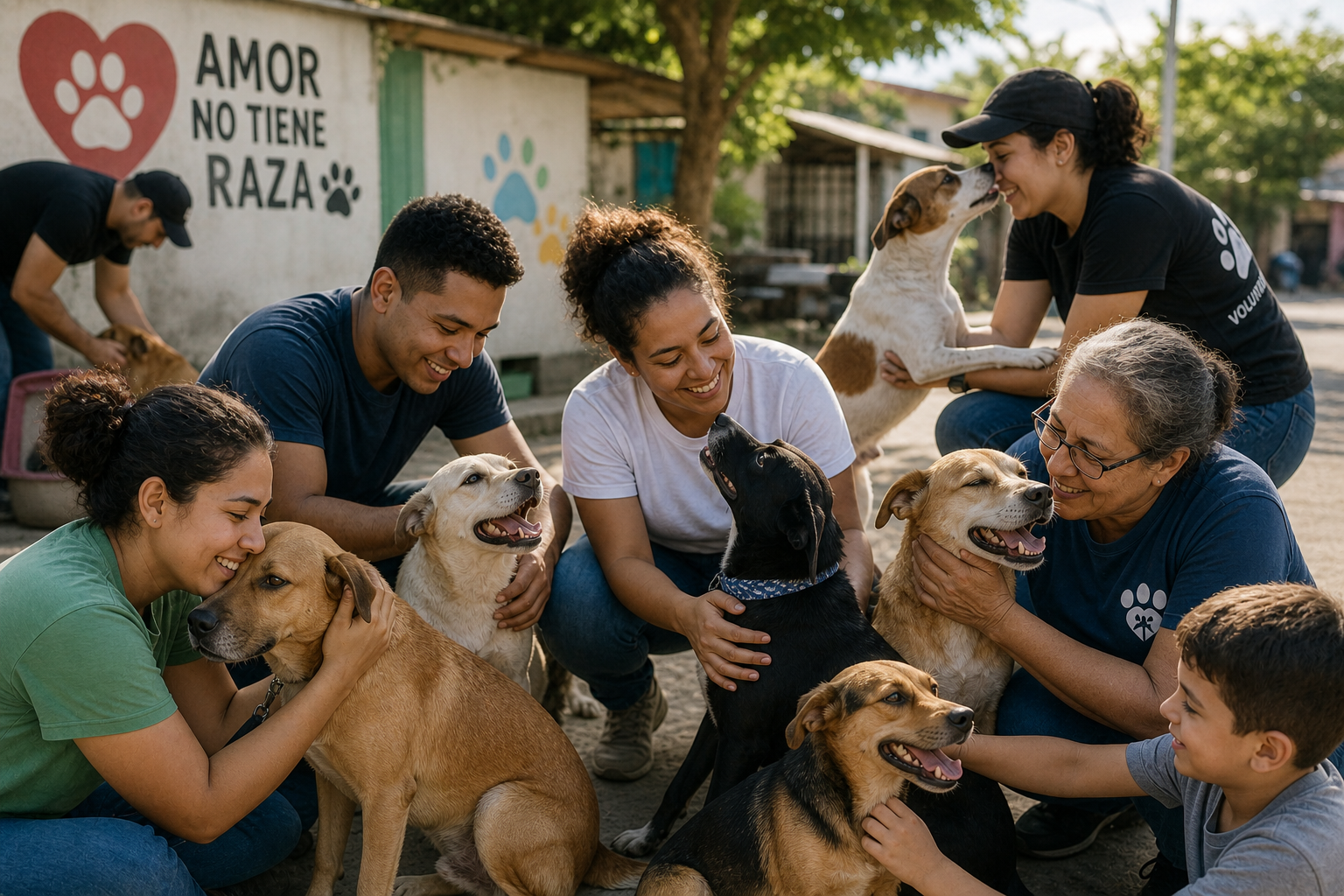
- Continuous Education: The work of foundations includes educating owners on basic care, such as the importance of proper nutrition and the consequences of not sterilizing their pets.
A Personal Sacrifice for a Community Cause The gravity of the situation is illustrated by the personal efforts of citizens like Allison. She shared that she has spent thousands of florins from her own budget to assist animals that have suffered abuse, neglect, or abandonment in Aruba. Despite the complexity of the issue, she remains optimistic that through collaboration and a well-structured plan, Aruba can achieve positive and lasting changes for the animals living on our streets.
Impact on Neighborhoods The situation is not limited to animal welfare; it has a broader impact on the community:
- Traffic Safety: Animals such as dogs, cats, goats, and sheep roaming free on the roads cause dangerous car accidents.
- Property Damage: These animals often enter private property and cause damage.
- Community Fear: In some neighborhoods, the presence of potentially aggressive dogs creates an environment of insecurity for residents.
The Need for Laws and Clear Consequences To see real change, Wood advocates for ordinances that are applied consistently. This includes:
- Owner Responsibility: Clear procedures for when an owner abuses or abandons their pet.
- Fines and Sanctions: If police respond and find animals in a state of extreme malnutrition, the owner must face substantial fines.
- Instructions for Authorities: Police must have clear directives on what they can and must do in cases of animal neglect.
According to Allison, when there are clear laws and enforced consequences, it will act as a deterrent against pet neglect.
 6000
6000