

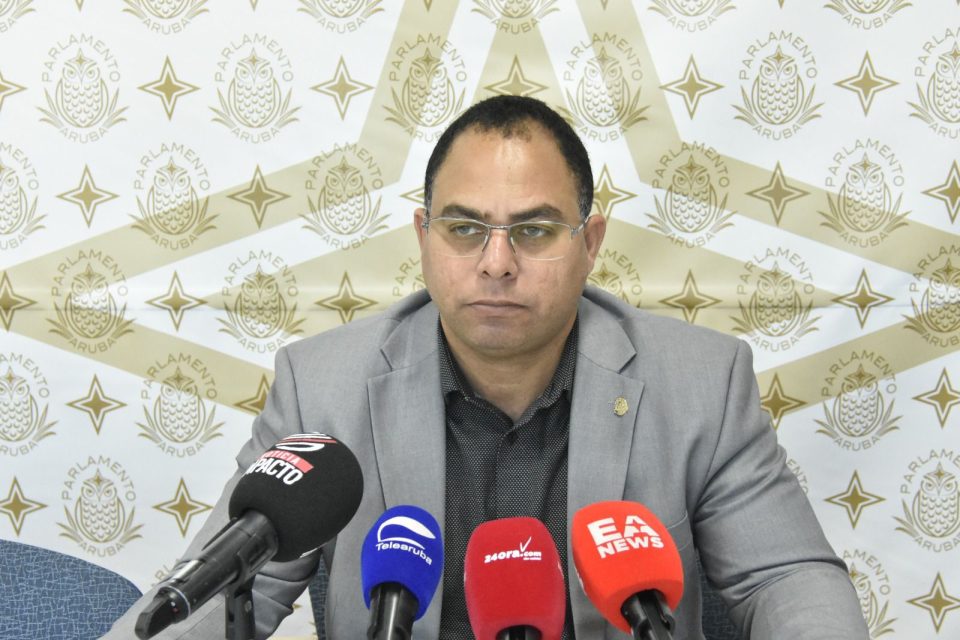
Another crucial and relevant point raised by PPA parliamentarian Eduard Pieters concerns the alarming situation of our young professionals who wish to return to Aruba. More and more of these young professionals— including those who are seriously considering returning—approach us with the sincere desire to start a family and build their future here. However, many of them encounter a major obstacle: a land and financing system that does not allow them to enter the housing market.
Educated youth, but without opportunity
“It is important to emphasize that we are not only talking about young people without education. We are talking about young people with HBO and Master’s degrees, with good jobs and a willingness to contribute to our economy. Yet, when they approach banks to apply for a loan to purchase or build a home, the answer is almost always the same: land and housing prices are too high for the level of financing the banks can approve.”
The result? Young people with ability and ambition, but without a real opportunity to enter the housing market.
Land shortage and lack of transparent management
The problem is not only financial. There is also a shortage of available land. Eduard continued:
“Government is not releasing enough land for the people, and especially not for our youth. This is a serious problem, particularly at a time when Aruba is experiencing ‘brain drain’ and we, as a country, should be focusing on ‘brain gain.’ One of the basic conditions to achieve this is clear: access to land to build a home.”
Lack of action and accountability
“We know that in the past, when POR was part of the government, former minister Otmar Oduber, who was responsible for land matters, left more than 250 plots ready for allocation in Colony. Today, the question is legitimate: why can these plots not be released? The argument of investigations and pending cases no longer holds. There are currently no active cases, and with Mr. Haime Croes back in his role as director of DIP, the AVP-FUTURO government can no longer use this as an excuse,” Eduard emphasized.
Meanwhile, the consequences are harsh and painful: young people who want to return to Aruba to contribute, stimulate the economy, and pay into the pension system are choosing instead to return to other countries—simply because they can find land and employment opportunities there. This represents a major and devastating loss for Aruba and a clear sign of a lack of vision and action.
In conclusion, Eduard expressed deep sadness that many of our young people are turning to him and other political representatives out of desperation, because they have neither been heard nor received solutions from the government or the responsible departments.
“There are even people who have been waiting more than 20 years for a land allocation and who have become trapped in a bureaucratic system. To make matters worse, due to inefficient financing structures, they are unable to move forward and build their homes,” Pieters noted.
Rules and regulations are necessary, but they must be transparent, fair, and applied consistently. Each case must be evaluated individually, based on clear criteria that are known to everyone and to all institutions involved in the land allocation process.
If Aruba wants to retain its native children and build a sustainable future, the land issue can no longer remain at the bottom of the political agenda. This is a national emergency!