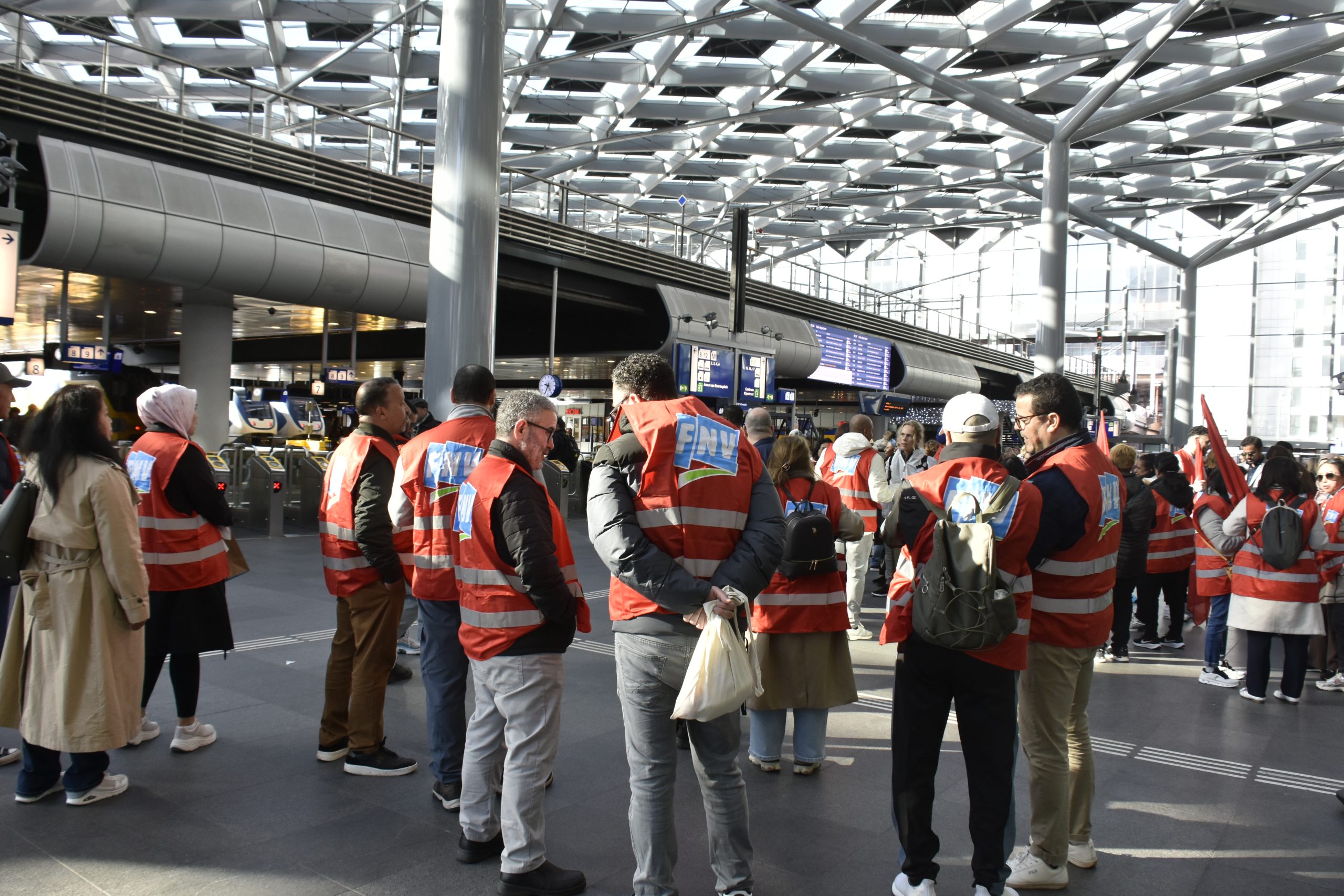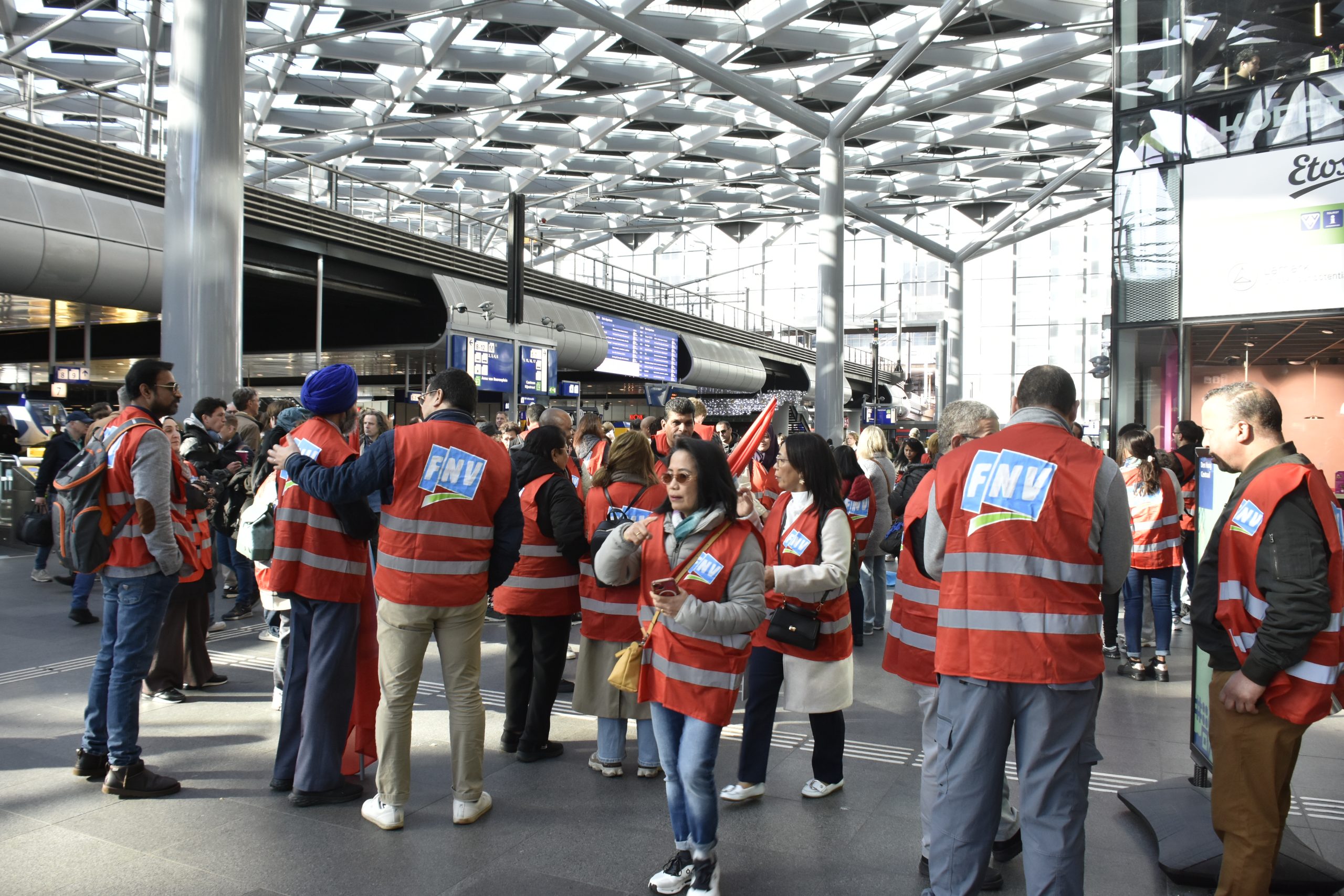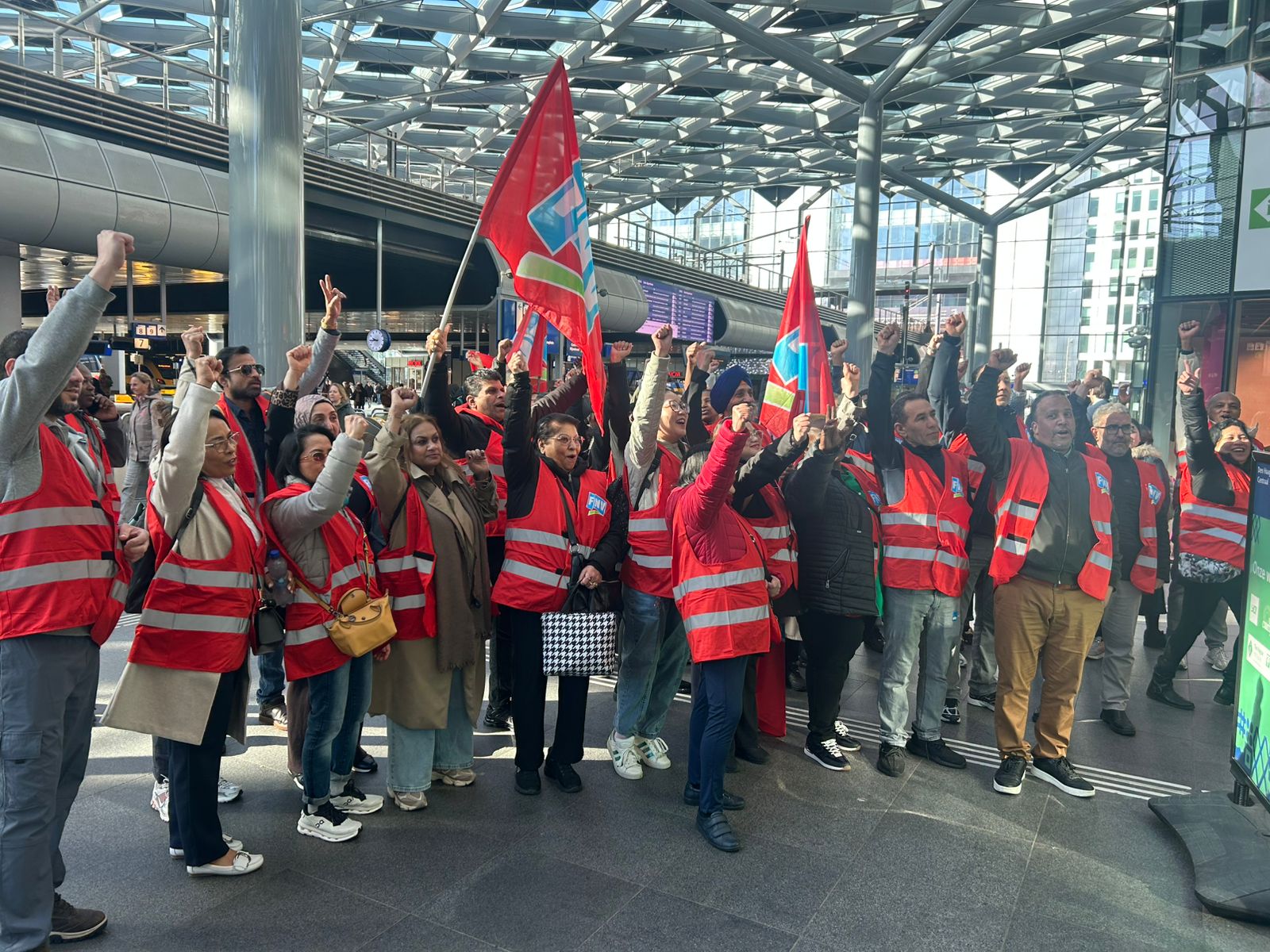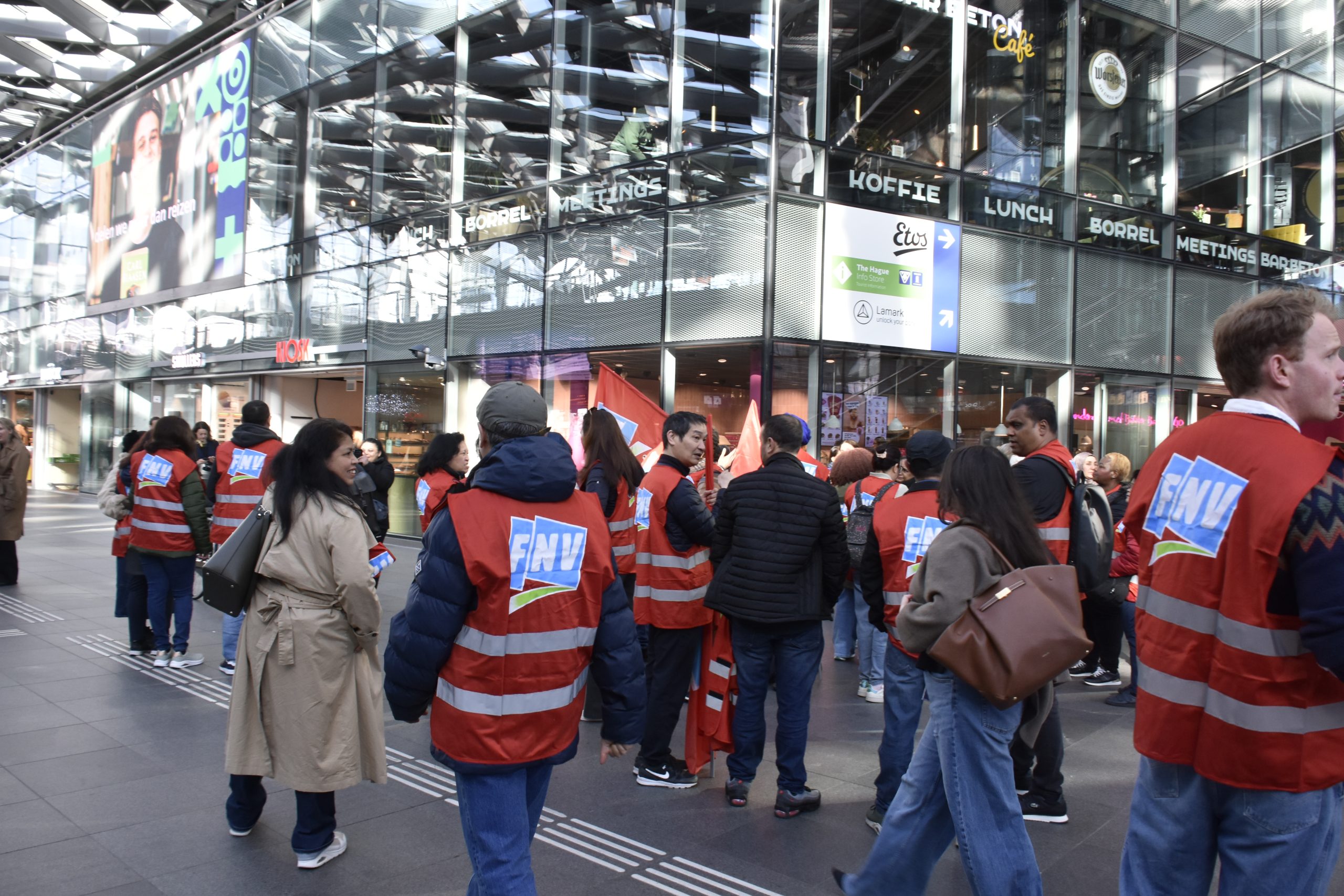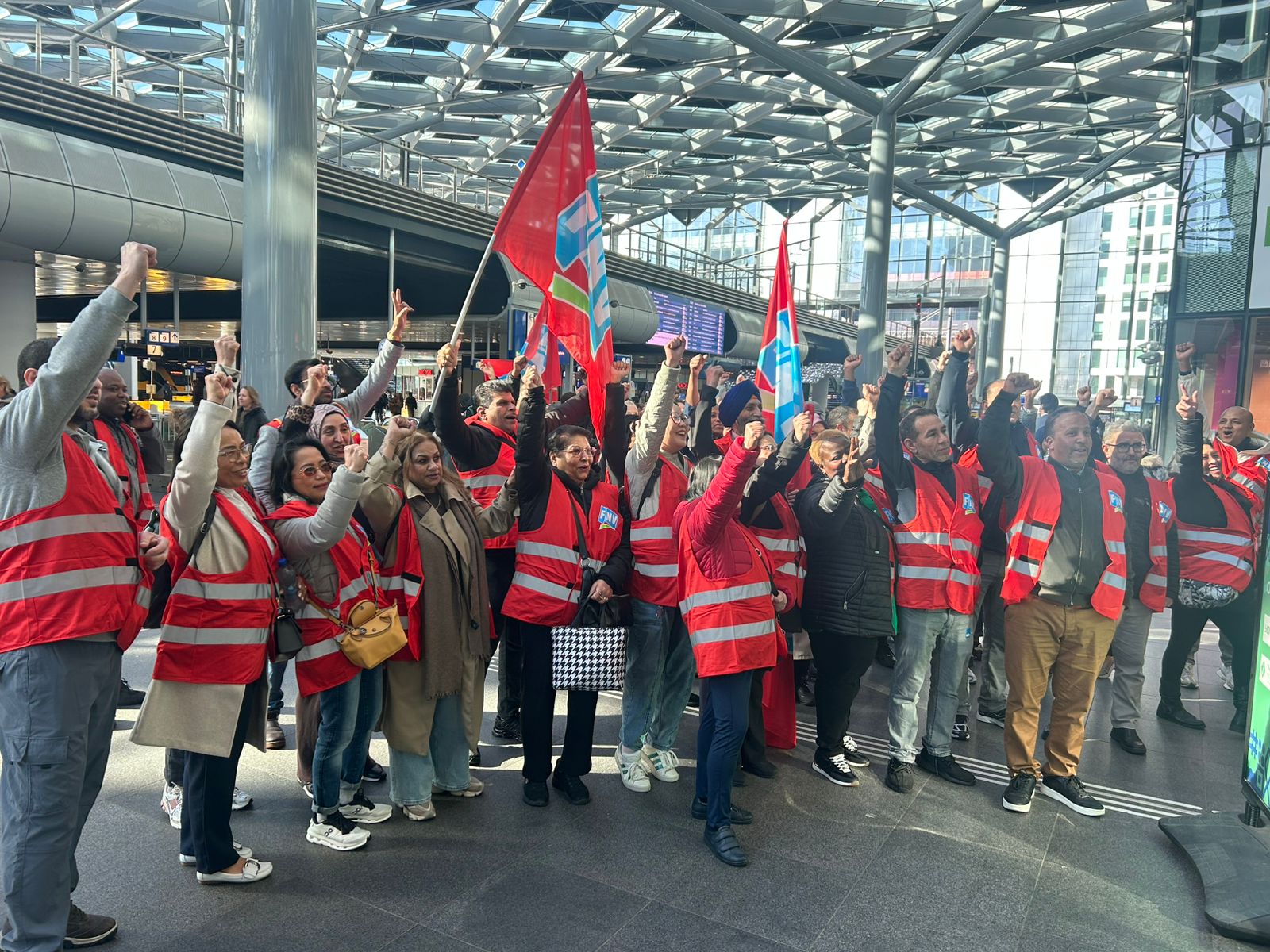
Civil servants within the Dutch central government (Rijksoverheid) have entered a period of formal protests and strikes following the Cabinet’s imposition of a ‘nullijn’ (zero-growth line). This policy dictates no room for salary increases despite the high inflation currently impacting the country.
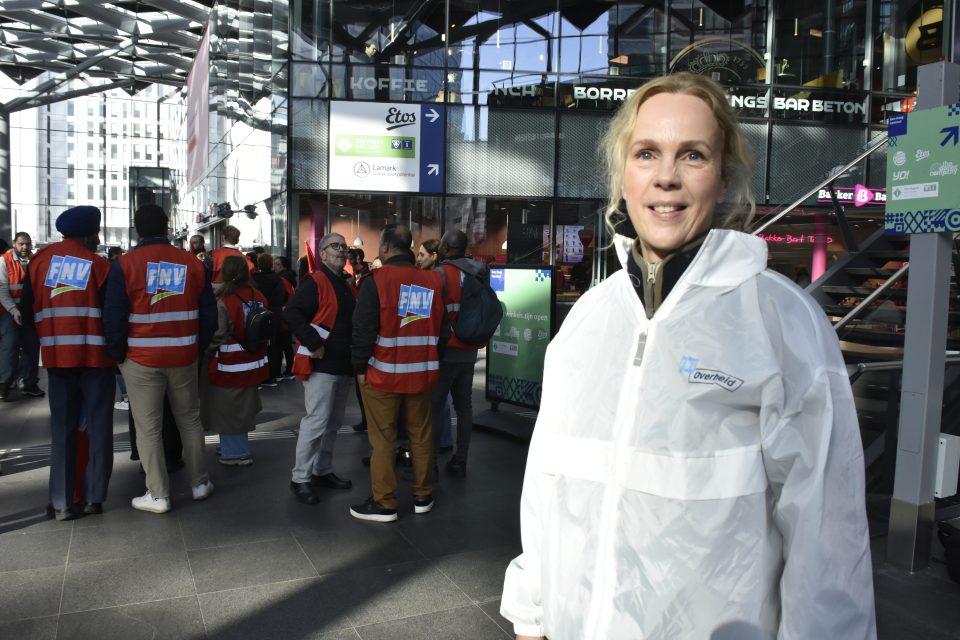
Marieke Mansschot, a board representative for FNV Overheid the largest trade union in the Netherlands—explained in a recent interview that the situation has become unsustainable for workers. According to Mansschot, the Cabinet’s decision to keep wages stagnant constitutes a direct blow to the purchasing power of employees, particularly those in vulnerable yet crucial positions.
Inflation vs. Purchasing Power The union’s primary demand is a structural wage increase of 6%. Mansschot emphasized that this request is not a luxury, but a necessity to offset the drastically rising cost of living in the Netherlands.
“Everything is becoming more expensive. These people must be able to continue paying for their groceries, mortgages, and rent. Otherwise, workers will simply fall into financial hardship,” Mansschot stated.
She added that many affected employees, such as cleaning staff, are not among the highest earners in the country, making the impact of the ‘nullijn’ even more painful.
Escalation of Industrial Action The first phase of the protest began with a three-day strike, during which essential sectors including cleaning services walked off the job. Mansschot warned that this is only the beginning if the Cabinet refuses to shift its stance.
“The next step is to deliberate with our internal framework, and from there, we will continue to escalate. If necessary, we do not rule out larger and more disruptive actions,” the union leader explained. While the union remains willing to negotiate, they insist that discussions must occur under the right conditions—something the government has yet to offer.
Cabinet Maintains Stance The decision to freeze wages was a pre-existing measure that the new Cabinet chose to adopt and maintain without revision. For public sector workers, this is perceived as a lack of appreciation for the essential work they perform for the Dutch state.
In the meantime, the effects of the strikes are beginning to be felt across various departments of the Rijksoverheid nationwide, as FNV Overheid stands firm in its fight for the 6% increase they deem both fair and necessary.