An important step towards 50% renewable energy by 2030
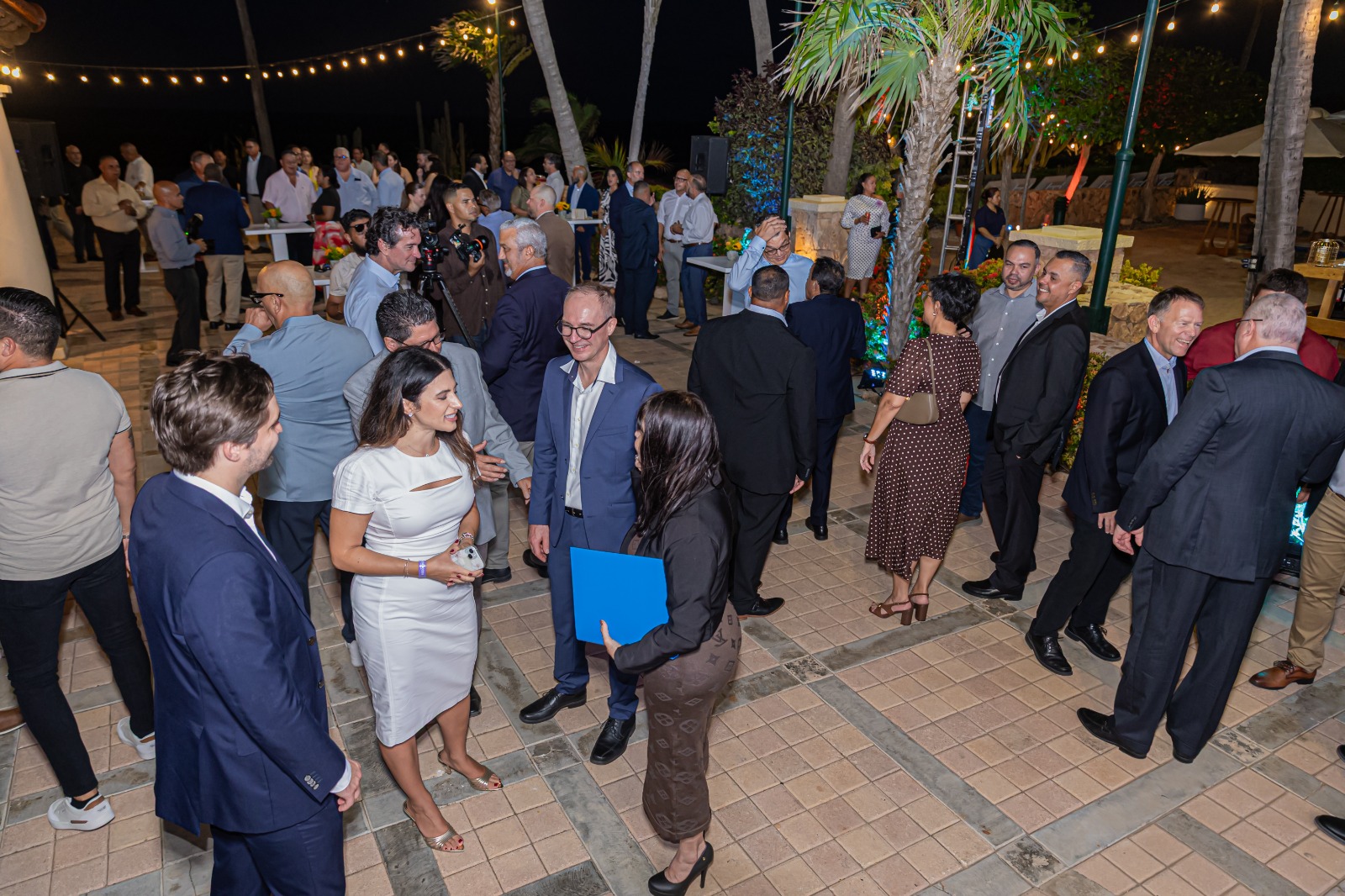
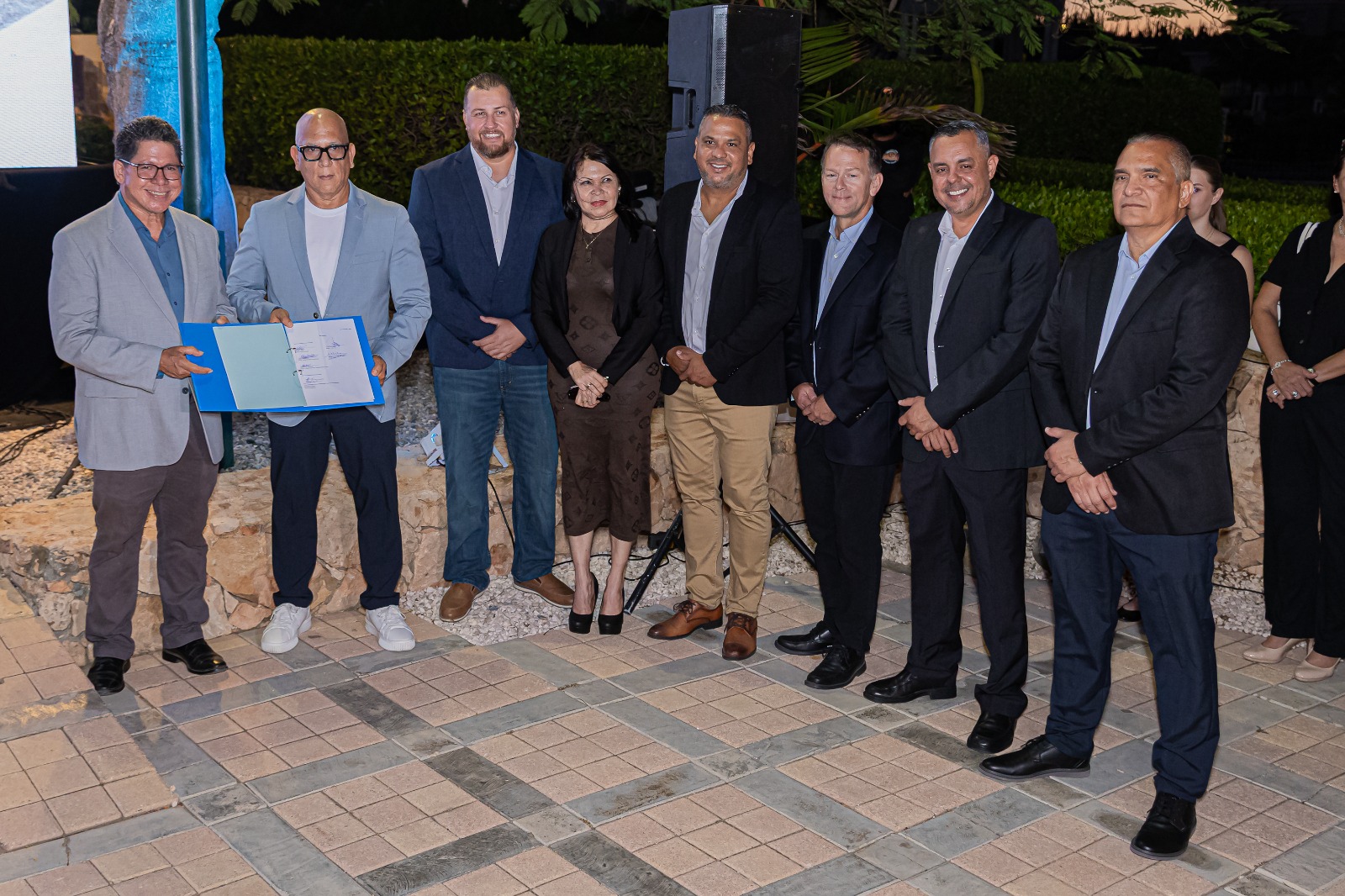
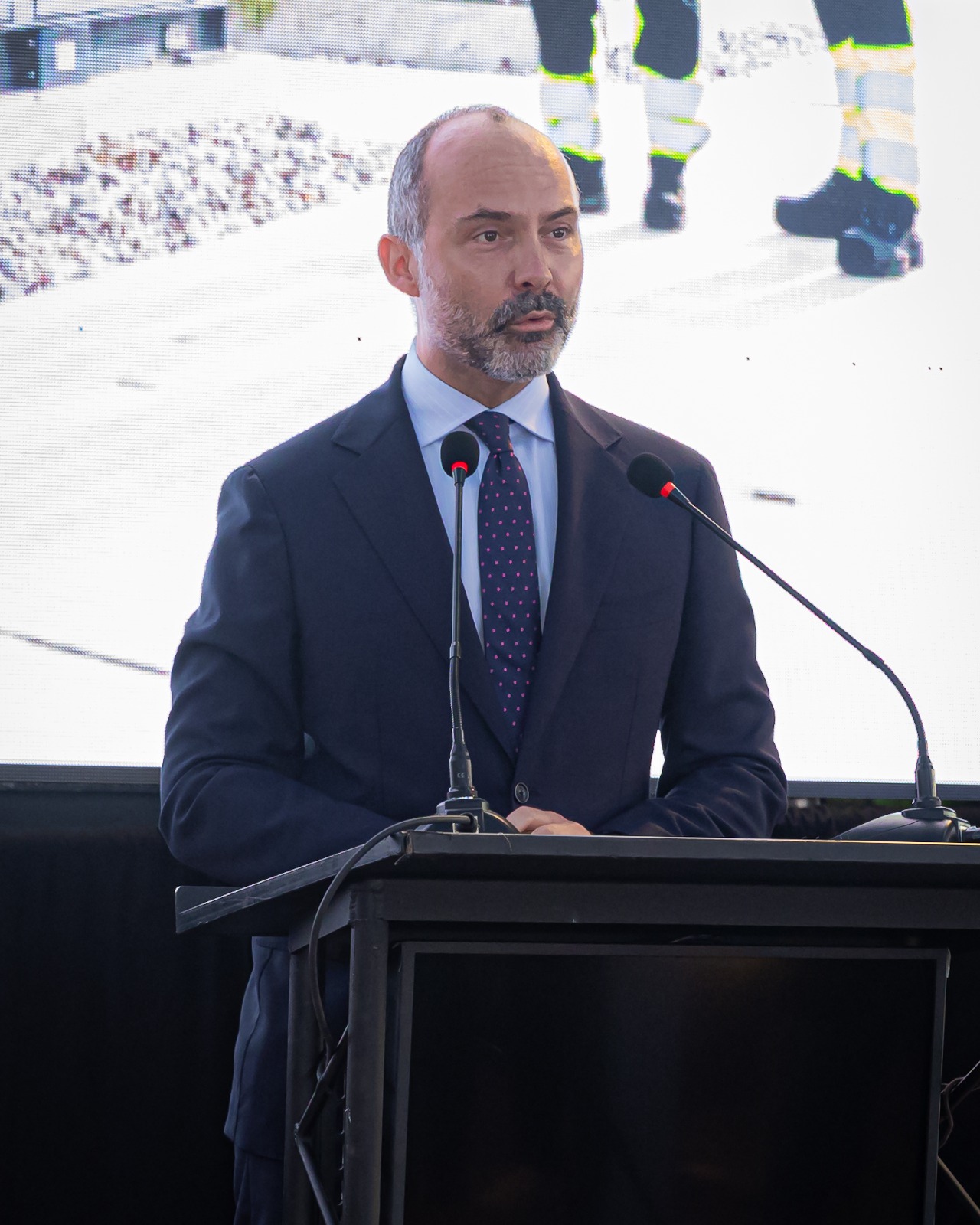
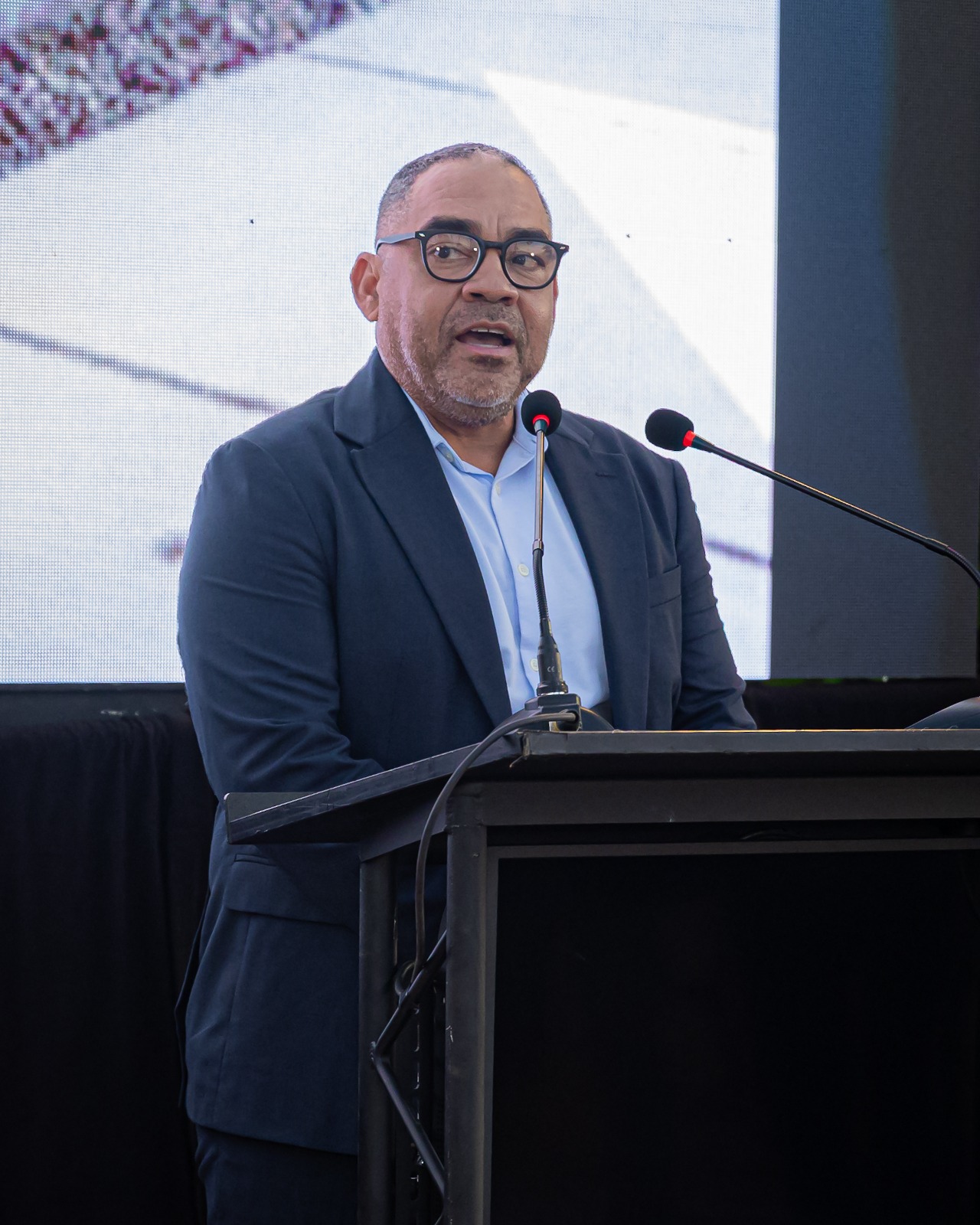
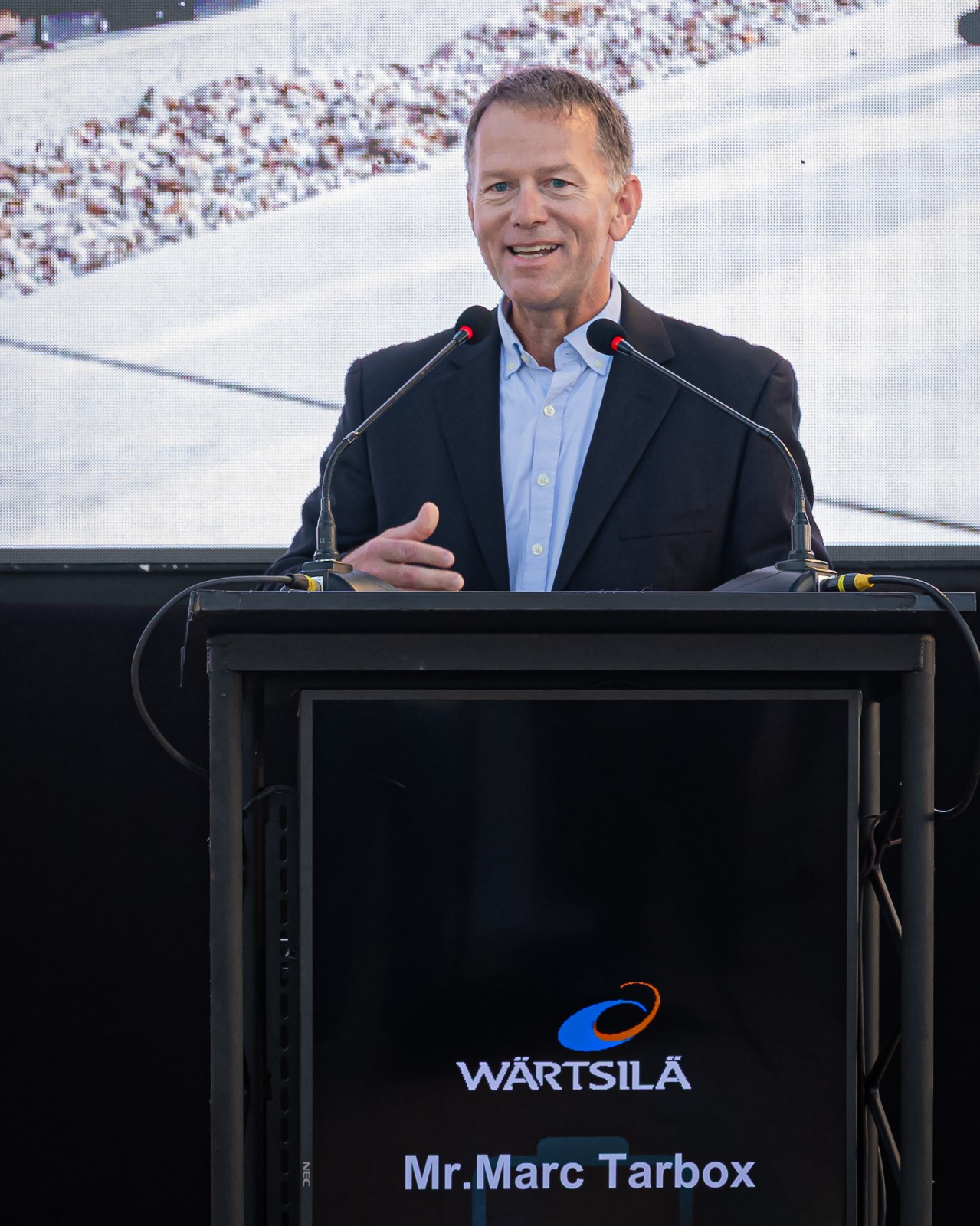
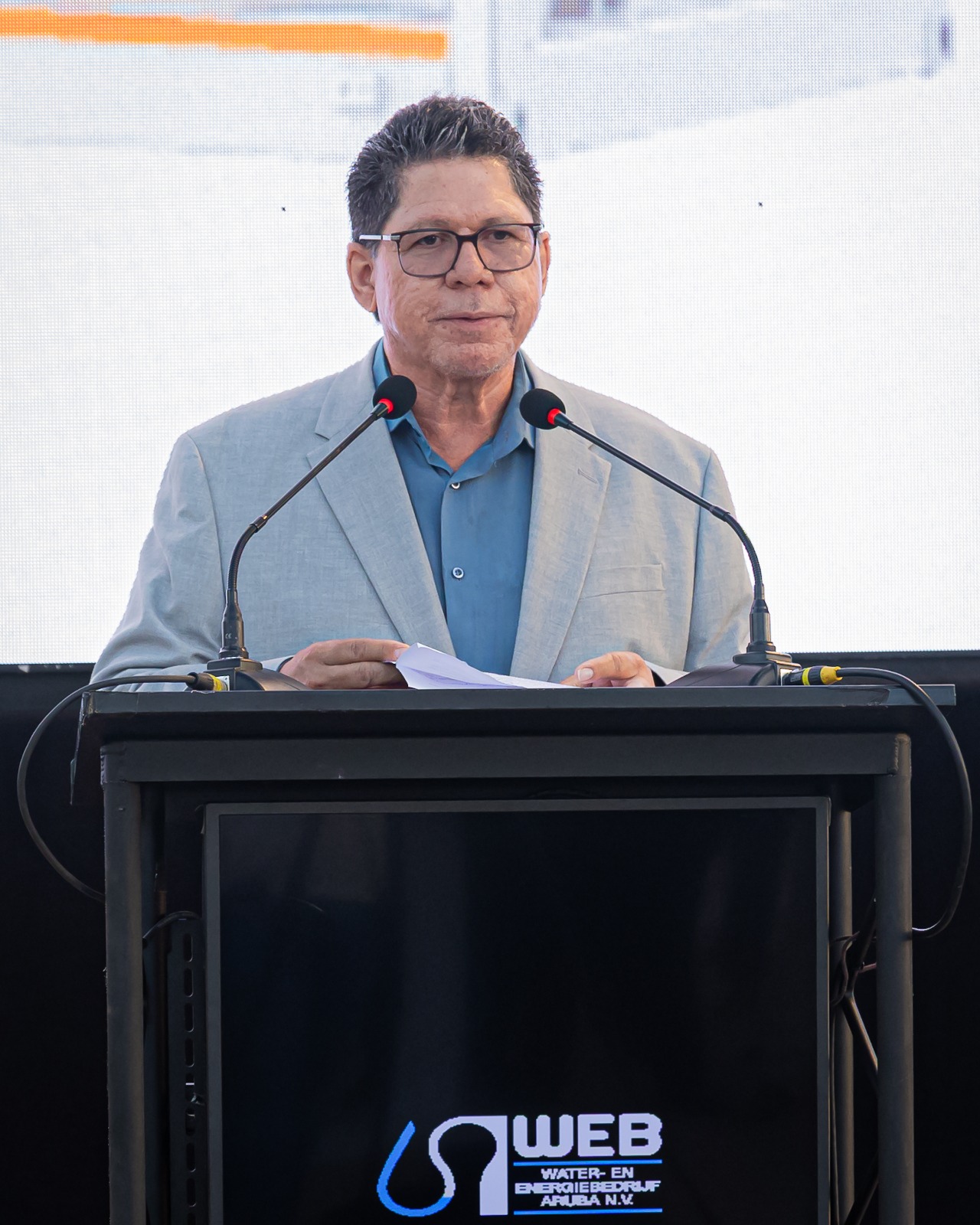
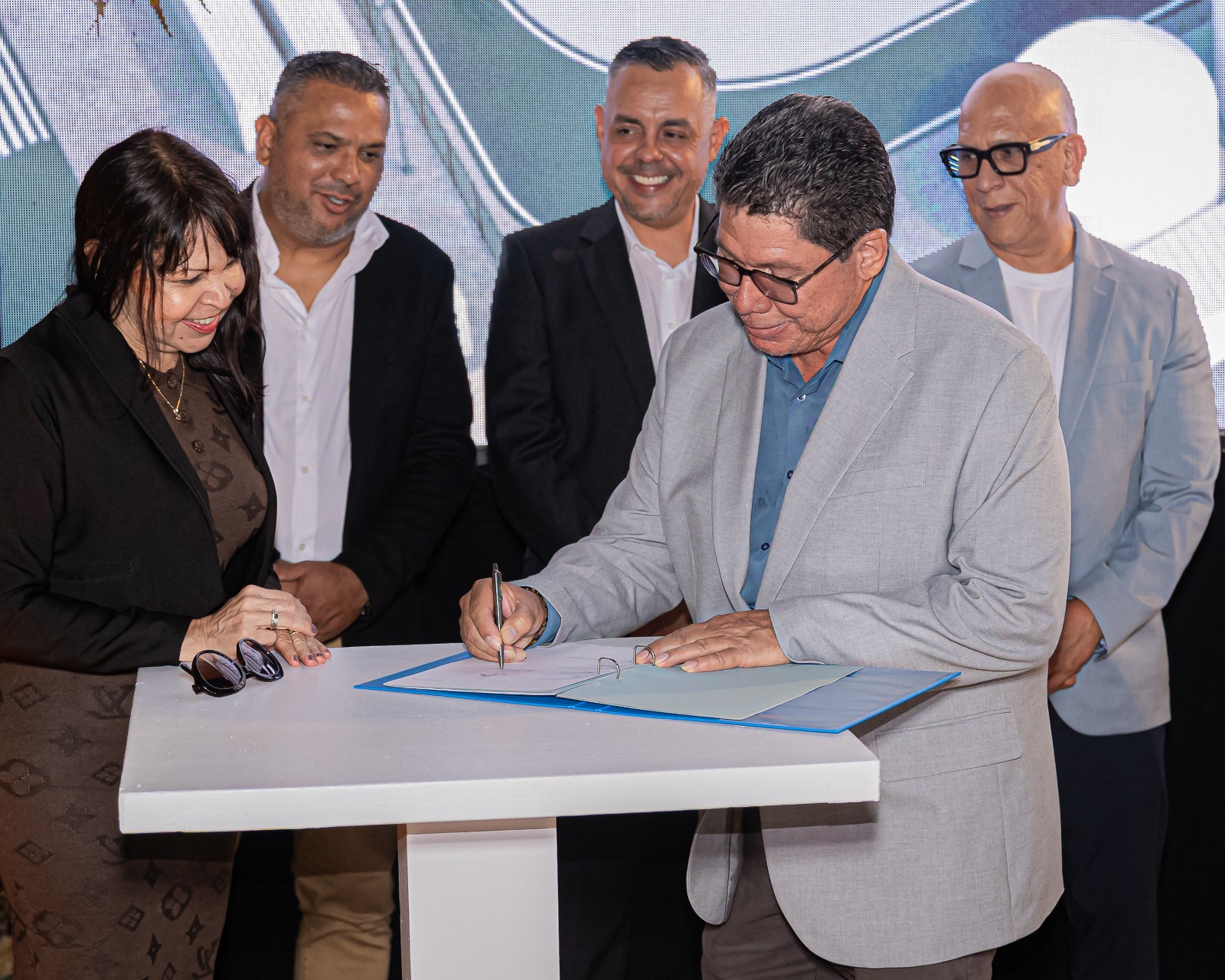
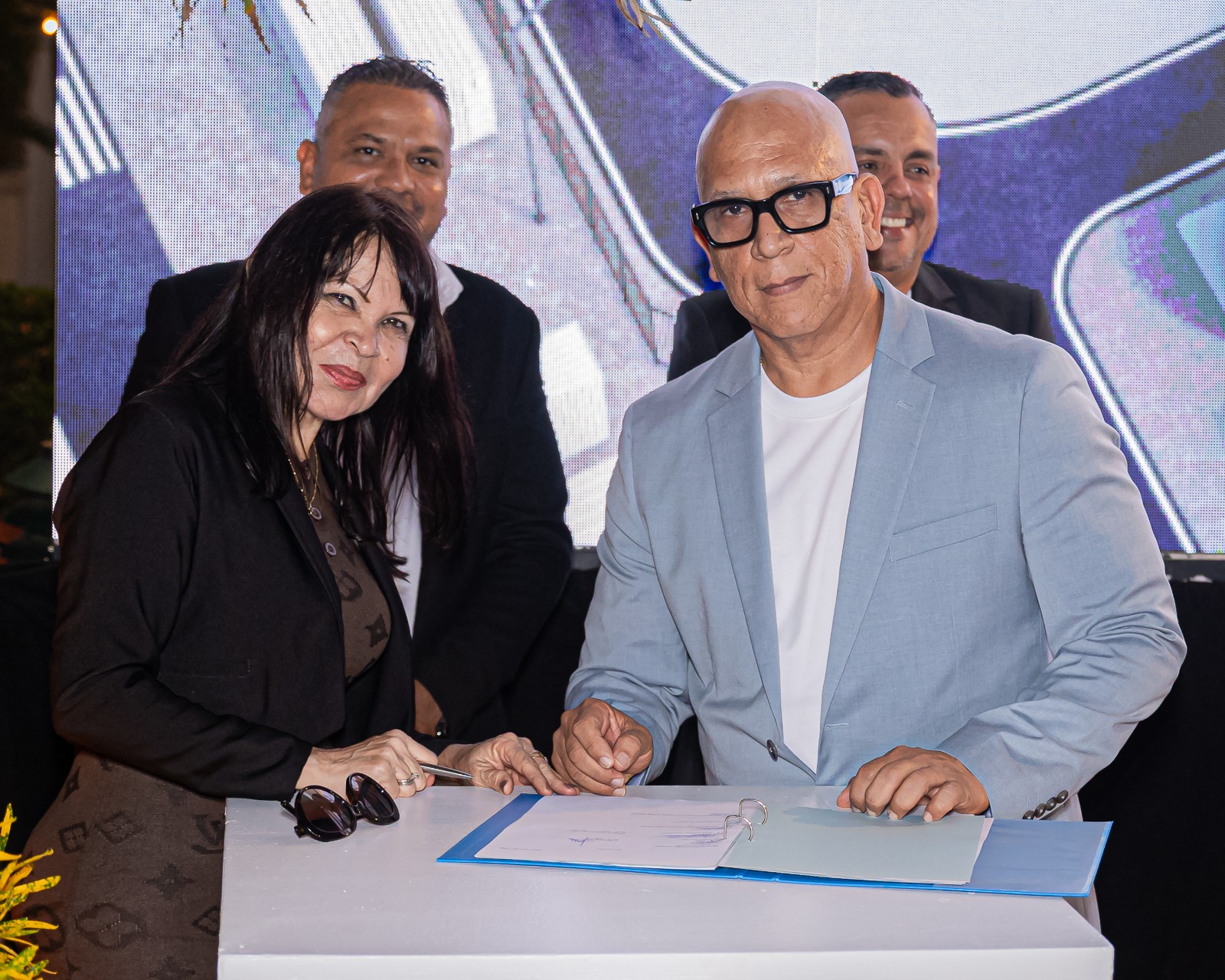
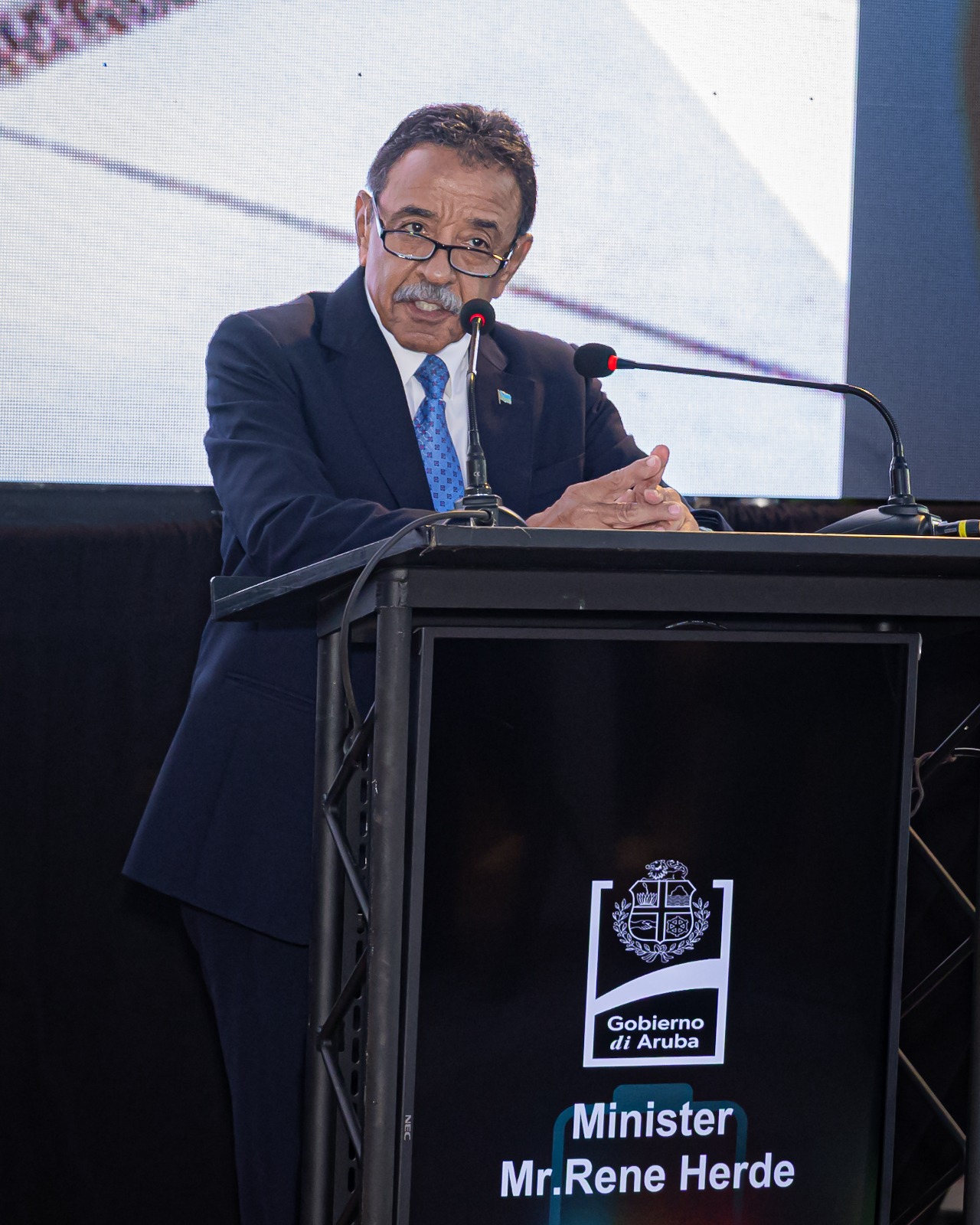
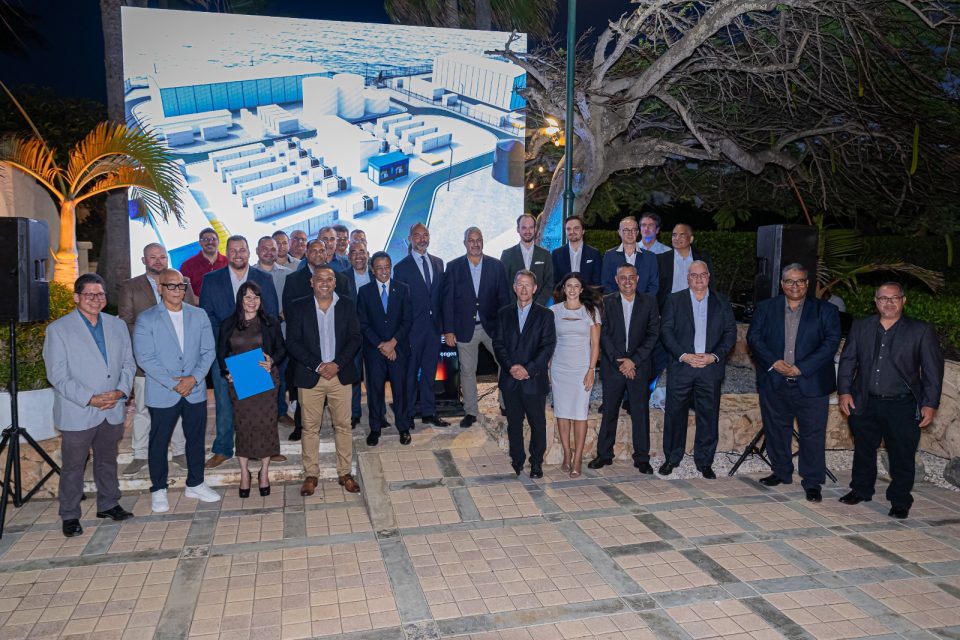
During a ceremony, WEB Aruba officially announced the launch of its project to build a Battery Energy Storage System, better known as BESS II. The large-scale battery energy storage facility will have a capacity of 35 MW / 70 MWh. It is expected to become the largest battery park in the Caribbean. According to the timeline, the project will be completed in 2028.
BESS II is an important step toward achieving the national goal of having an average of 50% of the annual energy supply come from renewable sources by 2030. The system will make it possible to store more wind and solar energy and use it efficiently when needed. At the same time, BESS II will contribute to a more stable and reliable power grid.
A large battery for Aruba
Wind and solar energy are not always available at the moment when electricity demand is highest. With BESS II, WEB will be able to temporarily store this energy and make it available when needed. The system will have the power to deliver a maximum of 35 megawatts (MW) and can store a total of 70 megawatt-hours (MWh) of energy. Put simply, if the battery is at full capacity, it can theoretically deliver 35 MW for approximately 2 hours.
BESS II will be integrated with wind and solar parks and the Battery Energy Management System (GEMS), together with WEB’s Intelligent Generation Management System (IGMS). In this way, battery storage will become an integral part of WEB’s energy mix, alongside RECIP engines, wind energy, solar energy, and the gas turbine. Through these automated systems, it will be continuously determined which energy source is most efficient to use at any given time. Thus, WEB ensures an energy supply that is reliable, affordable, sustainable, and safe.
Apart from energy storage, within the framework of the national goal of 50% renewable energy, WEB has been preparing the necessary paths since late 2025 to expand the capacity of the wind farm at Vader Piet and build a second wind farm at Rincon. In this process, they are working together with the Government, NGOs, and other stakeholders, with the goal of developing renewable energy in a transparent manner.