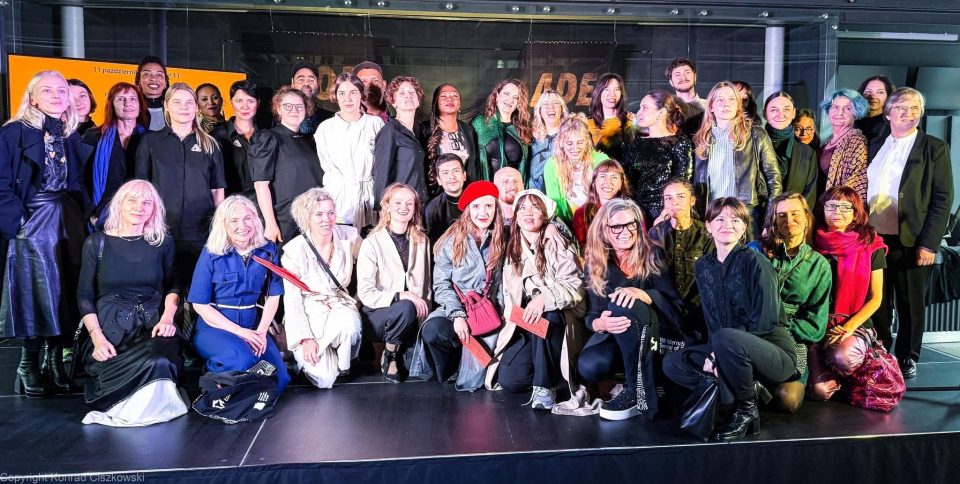
This year’s edition of the International Triennial of Textile Art in Łódź marks a historic first: the curatorial lead is shared by two women; Marta Kowalewska, art historian and chief curator at the Central Museum of Textiles, and Bukola Oyebode-Westerhuis, editor, independent curator, and publisher of Nigerian descent.
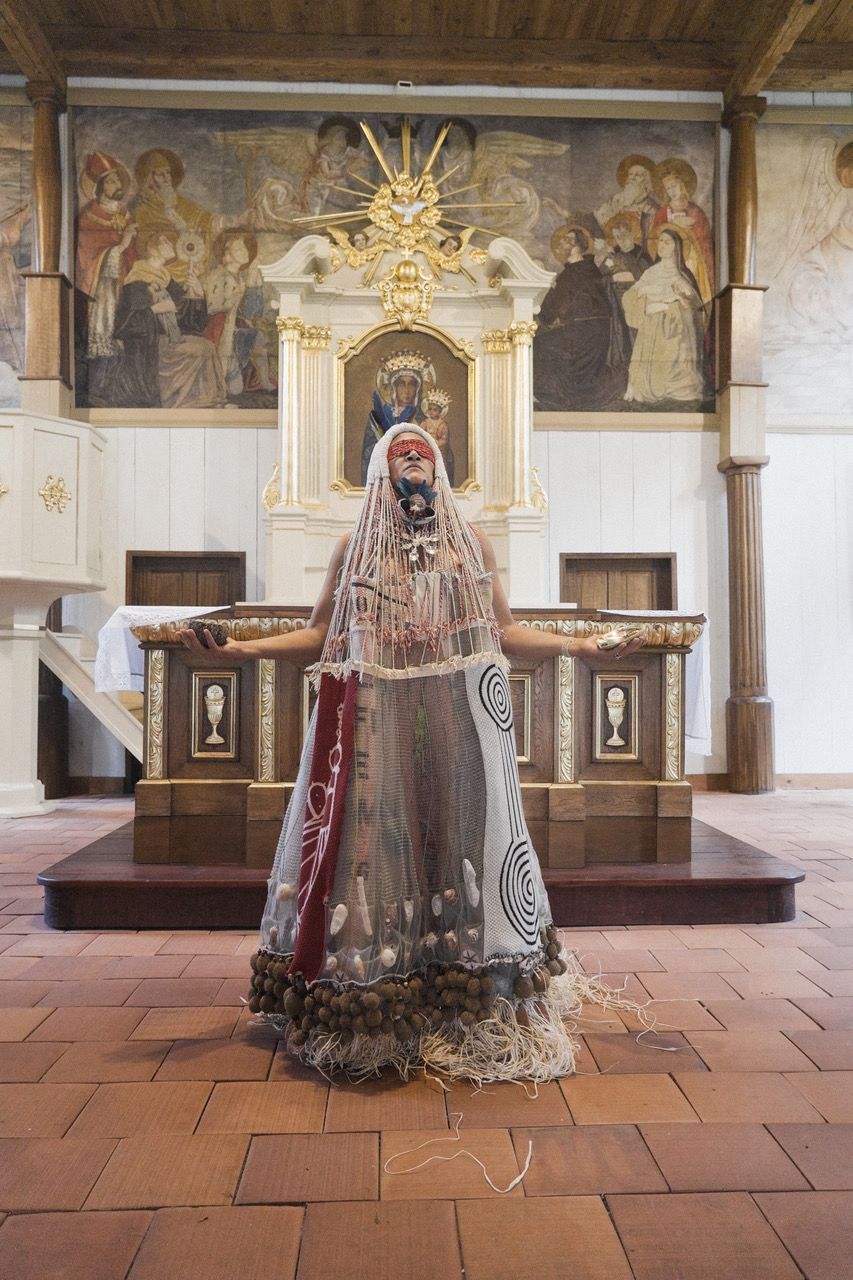
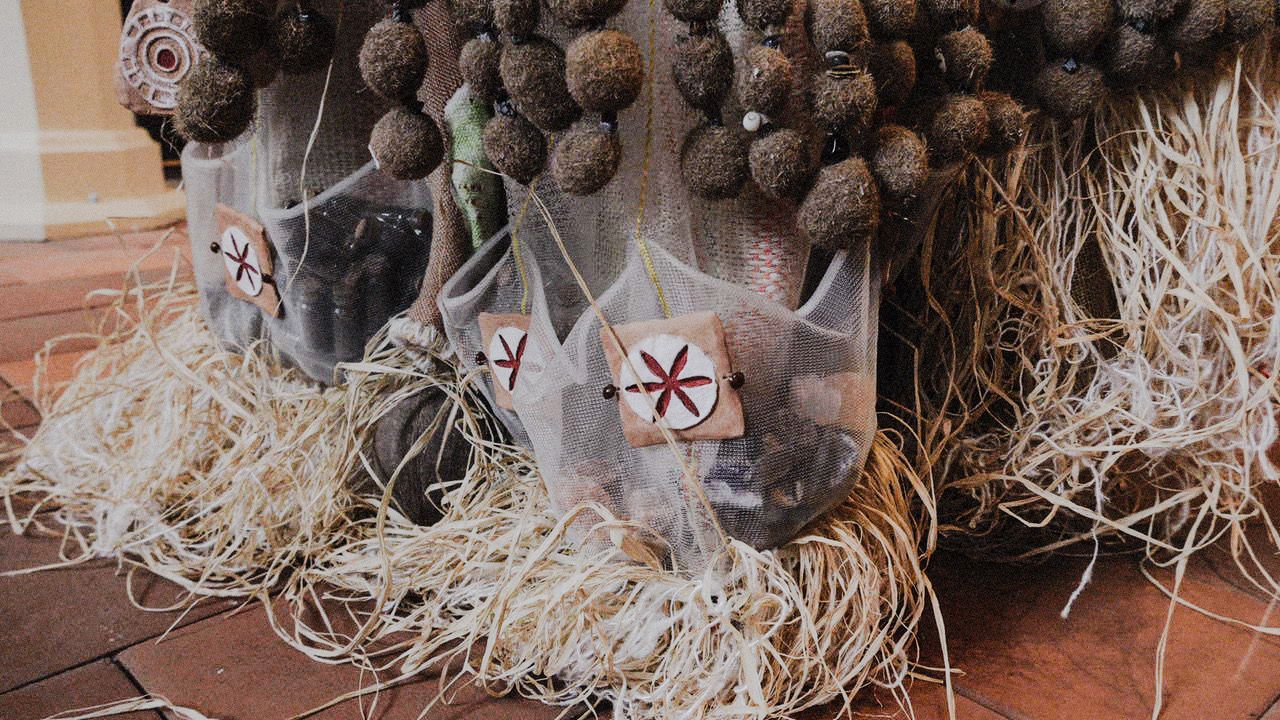
This year’s Triennial marks a significant milestone: its 50th anniversary. Over half a century, the Triennial has grown into one of the most important global forums for artistic exchange and dialogue across cultures. Among the standout works is Biento di Seit (Wind of the South), a newly commissioned piece by Amsterdam-based Aruban artists Alydia Wever and Ryan Oduber, the world’s largest and longest-running event dedicated to contemporary textile art officially opened at the Central Museum of Textiles on Saturday, October 11, 2025
The curatorial theme for 2025, “Deconstruction / Reconstruction,” responds to the tensions and transformations of the contemporary world socially, politically, and culturally. It invites reflection on the redefinition of norms, identities, and systems of value, while resonating with broader philosophical discourses. In this context, deconstruction becomes a way to critically read reality and open space for new narratives to emerge.
The 18th International Triennial of Textile Art explores the curatorial theme, a timely reflection on the shifting foundations of contemporary society. As global systems built over centuries are questioned and dismantled, artists are reimagining new worlds shaped by justice, resistance, and repair. This edition of the Triennial invites responses to social, ecological, and cultural disruption from confronting colonial legacies to redefining gender, knowledge, and technology. Rather than restoring old orders, this theme calls for renewal through material and metaphor, with textile serving as a medium of deep symbolic and structural resonance. Like the body, fabric holds memory, adapts, stretches, and heals. It becomes a vessel for narratives of survival and transformation. Through acts of unweaving and reweaving, artists reconstruct meaning from fragments searching for ancestral knowledge, indigenous epistemologies, and ways of belonging that challenge dominant hierarchies. In a world marked by crisis, the Triennial asks: Can art repair what history has torn? Can we imagine co-existence beyond control and division?
This year’s artists answer with layered, tactile responses that foreground fabric as a living archive of rupture, resilience, and renewal.
Fabric as a Seismograph of Change
Since its founding in the 1970s, the Łódź Triennial has acted as a cultural “seismograph,” capturing the undercurrents of change in both art and society. In today’s climate of shifting identities, political polarization, and renewed attention to histories of oppression, textiles have re-emerged as a medium uniquely capable of addressing themes such as community, memory, migration, women’s roles, and belonging.
Textile as a material both intimate and communal offers a powerful language for engaging with global issues. Many of the works presented this year use deconstruction and reconstruction not only as artistic methods but also as metaphors for lived experience: from redefining home through the lens of displacement, to exploring resilience, healing, and inclusion.
As part of the official opening program, Alydia Wever performed the solo piece “Cunucu di Seit” (South Countryside) , an embodied ritual drawing from Caribbean spirituality, migration, and ancestral land memory. The performance, presented within the museum space, was accompanied by a video-art & installation created in collaboration with filmmaker and visual artist Ryan Oduber, who filmed, photographed, and co-developed the concept. Part of the footage was recorded in a historic church, reinforcing the spiritual and ritual dimensions of the work.
About the Work: Biento di Seit
“Biento di Seit” (Wind of the South) reimagines the historical colonial trade winds which once carried enslaved bodies across the Atlantic as a breath of southern renewal. Drawing on Caribbean cosmologies, ancestral memory, and animist traditions, the work bridges Plato’s vision of the soul’s transcendence with Aristotle’s view of the soul as rooted in the body. Performed at the threshold of colonial architecture, the piece positions the body as both vessel and archive, channeling winds that carry memory across time and space. Echoing the quantum slit experiment, where perception alters reality, Biento di Seit affirms that through witnessing, remembrance, and forgiveness, new winds of transformation may rise. It is an invitation into a shared space of rootedness, healing, and re-orientation where the threads of history, spirit, and future imagination are woven together.