

The failure of Parliament to approve the motion was a heavy blow for many young Arubans pursuing their studies, both in Aruba and in the Netherlands. A motion to create a debt-forgiveness mechanism (partial cancellation of study loans) was rejected after the AVP and FUTURO factions voted against it.
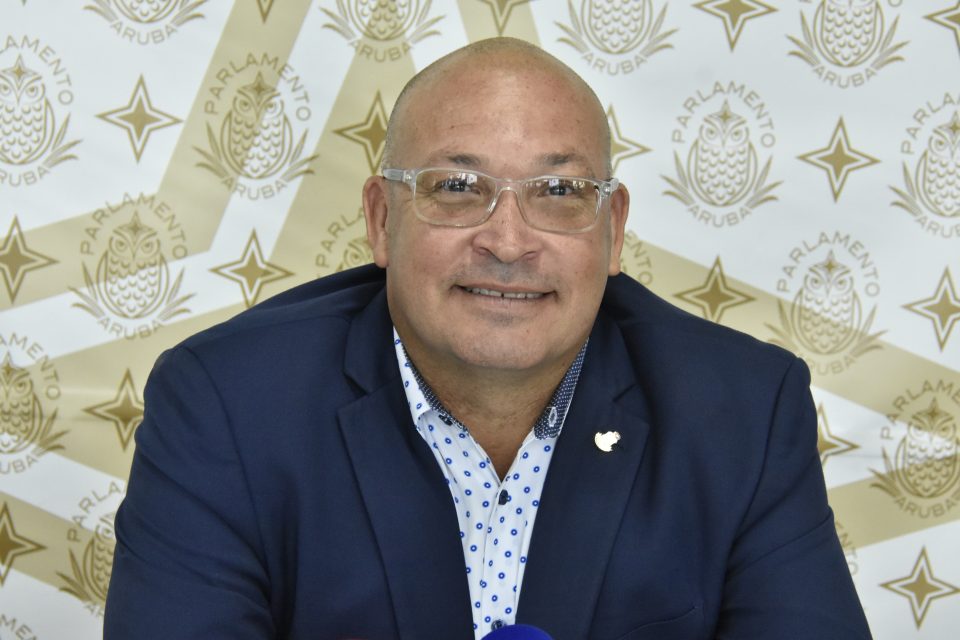
Parliamentarian Edgar Vrolijk, who submitted the motion, stressed that Aruba must support its young people who invest in their education, whether they study locally or abroad. According to Vrolijk, during his official visit to the Netherlands and his meetings with Aruban students, he repeatedly heard concerns about the financial burden of study loans from both DUO and Aruba Lening, and how these debts make it difficult for them to return to Aruba to work.
Among the main concerns are housing, study debts, and the strict conditions for qualifying for the 30% discount on Aruba Lening. Under current law, students who receive the 30% discount must commit to working in Aruba for at least five years. If a student finances the remaining 70% through a loan and then, within three years, accepts a job offer abroad, the forgiven 30% must be repaid—creating uncertainty and discouraging labor mobility.
Vrolijk described several provisions in the law as impractical and discouraging for young people considering a return to Aruba. That is why, during the budget debate at the beginning of 2025, he submitted a motion requesting the relevant ministries—especially the Ministry of Finance—to use a landsbesluit (government decree) to introduce a form of debt forgiveness within the existing legal framework, without having to amend the law.
However, the motion did not receive enough support in Parliament. According to Vrolijk, the opposition, particularly the AVP and FUTURO factions, chose party politics over the interests of Aruba’s future generation.
The issue had been discussed only shortly before with students during the recent IPKO meeting in the Netherlands, where delegations from all factions met with students at The Hague University of Applied Sciences. Students again asked for financial relief, and all factions committed themselves to working on the issue.
Nevertheless, when the time came to vote, AVP and FUTURO voted against the motion. According to Vrolijk, his faction had presented the proposal in advance to the faction leaders, including the AVP leader, giving them the opportunity to make changes and broaden support. Despite this, political considerations prevailed, and the final vote rejected a measure intended to help students.
The result, according to Vrolijk, is that many students in both the Netherlands and Aruba have been deprived of a real opportunity for financial relief at a time when Aruba desperately needs well-educated young people to contribute to the country’s development.