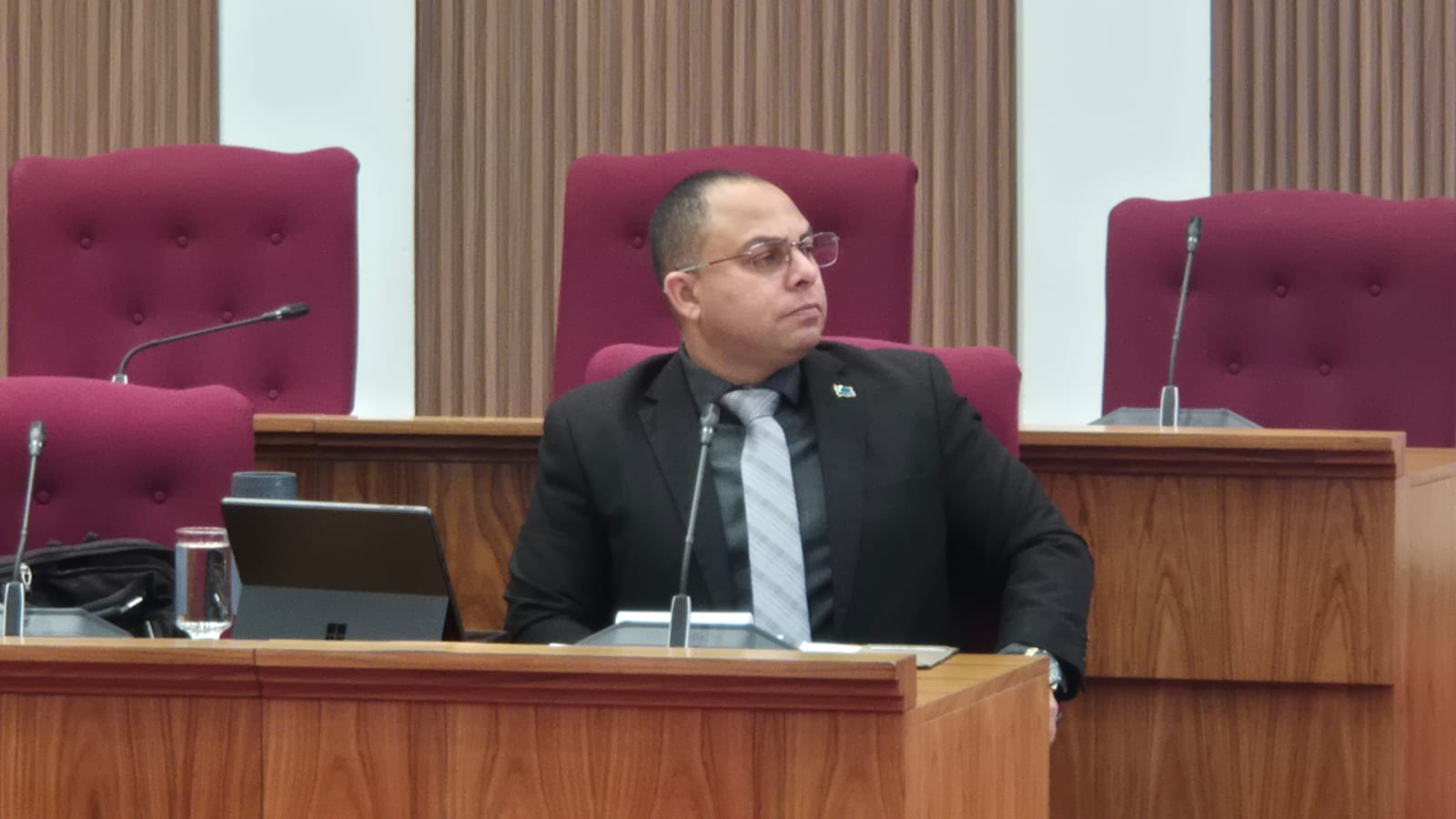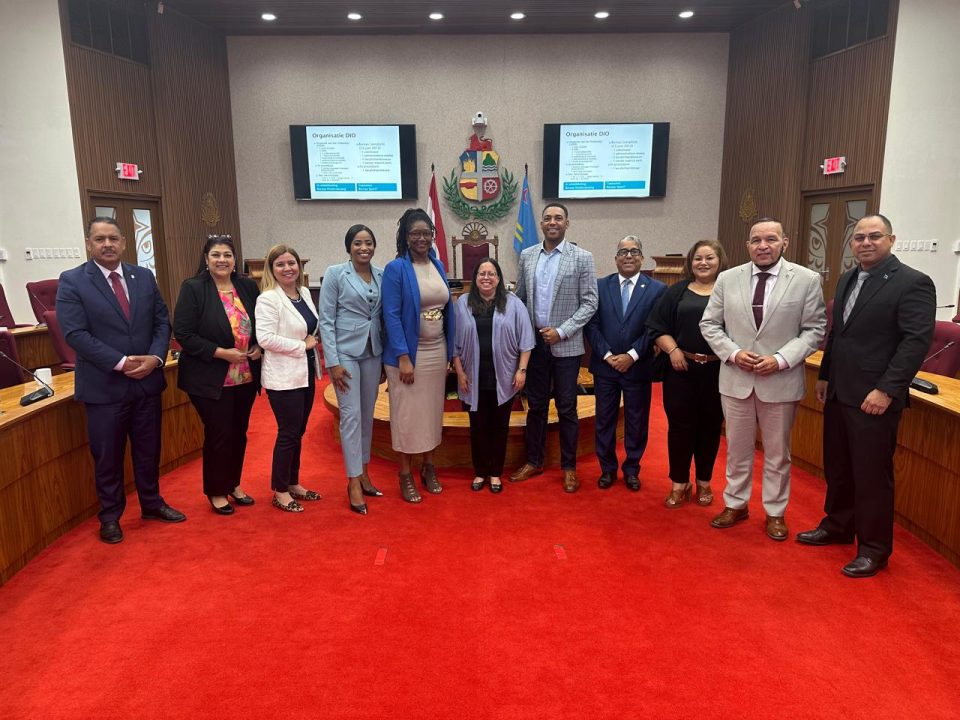
During a meeting with the Department of Education Inspection (Dienst Inspectie van Onderwijs), MP Eduard Pieters of the PPA faction expressed growing concern over various alarming signs in Aruba’s education system. Although the meeting was informative and focused on policy plans, the continuous workload and the additional challenges that the Inspection Department faces with the now ‘Bureau Kinderopvang’ (Childcare Bureau) are enormous.
Since 2009, the Inspection Department has been struggling to attend to its responsibilities properly. The inspectors want to do their job, but they lack sufficient resources to achieve this. The Inspection Department continues to receive more responsibilities without adequate support from governments to monitor the quality of education in Aruba. According to Pieters, the reality within our education system has shown that Aruba can no longer allow educational issues to accumulate without serious action.
32% Graduation Rate: “This cannot become the norm”
One of the points that concerns the PPA the most is the situation at Colegio Nigel Matthew, where several parents expressed their worries regarding the graduation rate, which stands at only around 32%.
According to Pieters, the concern is not just the figure itself, but also the growing sentiment among parents that the evaluation system does not truly reflect the children’s capabilities. “Parents feel that children are evaluated in a way that is too limited, especially in core subjects (kernvakken) like Dutch, English, and Mathematics, as, for example, only two evaluation moments determine whether a child passes or not,” Pieters explained.
But what worried the PPA the most was the fear that parents feel when it comes to expressing their concerns officially.
“Parents should not be afraid to speak up”
According to Pieters, several parents expressed that they fear retaliation against their children if they continue to press on the issues at school. “This is certainly something very serious,” Pieters emphasized. “When a parent is afraid to defend their child’s interests, we have to ask ourselves where our educational system is heading.”
Although Pieters encouraged parents to follow the official channels and take their concerns directly to the school, he stated that this signal cannot be ignored.
We must believe in our children again
For the PPA faction, the debate cannot remain solely focused on percentages or results. Pieters emphasized that the discussion must go much deeper: into a culture of quality education and the way we view our children and teachers.
“We believe in ‘teacher collective efficacy’,” Pieters declared. “Teachers must believe that they can make a difference. Teachers must be able to believe that together they can make a difference. Because if we start putting it in our heads that children from San Nicolas, for example, cannot do it, or that children in the ‘longer track’ (langere traject) cannot do it, we ourselves are limiting their future and maintaining the phenomenon of a ‘self-fulfilling prophecy’. As a result, the children will indeed continue to perform poorly in their studies.”
According to Pieters, the school environment must be “safe”, positive, and motivating for both teachers and students. School must be a place where PEOPLE feel they can grow and progress.
Teachers are tired, and Aruba cannot keep ignoring that
Pieters also placed emphasis on the well-being of teachers, indicating that there is various empirical research and signs from the educational field showing that many teachers are tired, exhausted, demotivated, and feeling a total lack of support from all governments. “We ask a lot of our teachers without providing the necessary resources for them to fulfill their vocation,” he said. “They work with body and soul for our children. But if we do not take care of them, the system will eventually break.” According to the PPA, investing in the quality of education is not just about constructing buildings, buying materials, organizing walks, and raising salaries; it must primarily be an investment in the human being itself, in a holistic way.
“A teacher who feels supported and valued naturally transmits this to the child,” Pieters emphasized.
Education is not an expense; it is an investment in Aruba’s future
In his conclusion, Pieters sent a clear message that Aruba cannot continue to treat education as a secondary matter. “Quality education does not happen by accident,” he concluded. “It is born when you invest in the growth and well-being of your teachers, when you listen to your parents, when you create a safe environment for child and teacher, and when you truly believe that every child in Aruba has the potential to achieve success.”