

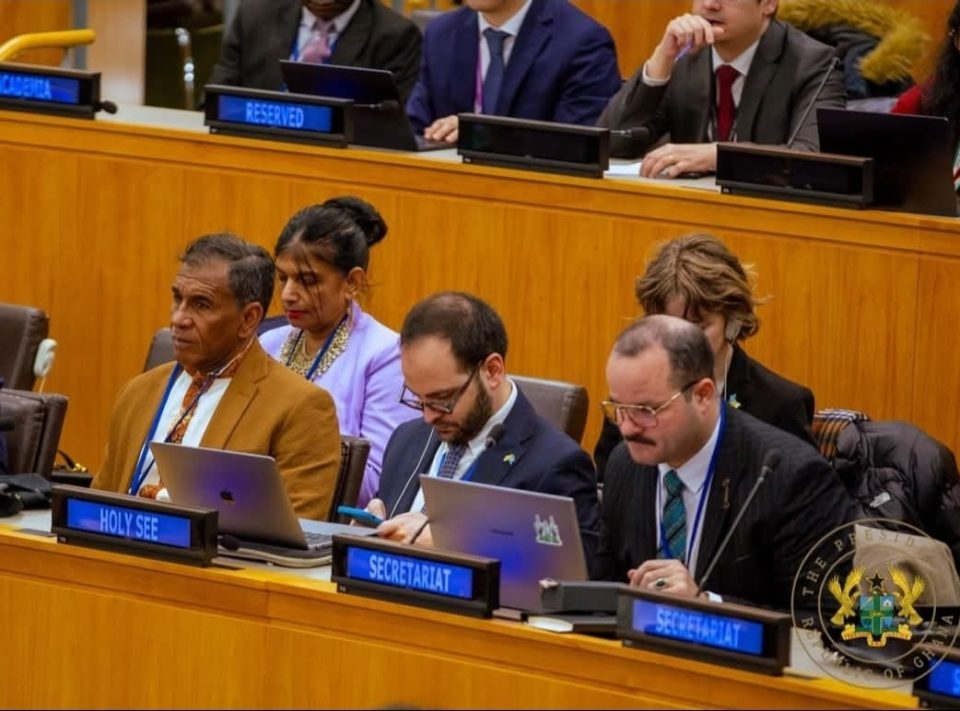
Behind closed doors at the United Nations, the truth of history was put to the test. The Bonaire Human Rights Organization (BHRO), an Associate Member of the CARICOM Reparations Commission, directly witnessed intense negotiations as Member States debated whether the transatlantic enslavement of Africans should be recognized as the “gravest” crime against humanity.
BHRO served as an observer in six informal consultations held from March 5–16, 2026, regarding a resolution led by Ghana. The inclusion of the term “gravest” became a major point of contention, revealing deep divisions that led many states to eventually abstain.
On March 25—the International Day of Remembrance of the Victims of the Transatlantic Slave Trade—James Finies and Davika Bissessar Shaw watched as the General Assembly voted on the landmark resolution. It officially declares the transatlantic slave trade and chattel slavery as the “gravest crime against humanity,” despite resistance from former colonial powers, including the Netherlands, which sought to soften the language.
Led by Ghana and Caribbean nations such as Barbados, Antigua and Barbuda, and the Bahamas, the resolution sponsors refused to compromise on the truth. The resolution passed with 123 votes in favor, 3 against, and 52 abstentions. Notably, the Netherlands and most EU nations abstained, a move BHRO describes as undermining the sincerity of the Dutch apology and exposing global hypocrisy.
The evening concluded with a private dinner hosted by Ghanaian President John Dramani Mahama at the Marriott Marquis, where he reflected on the resolution’s journey. This historic moment highlights BHRO’s vital role in the global movement for reparatory justice.