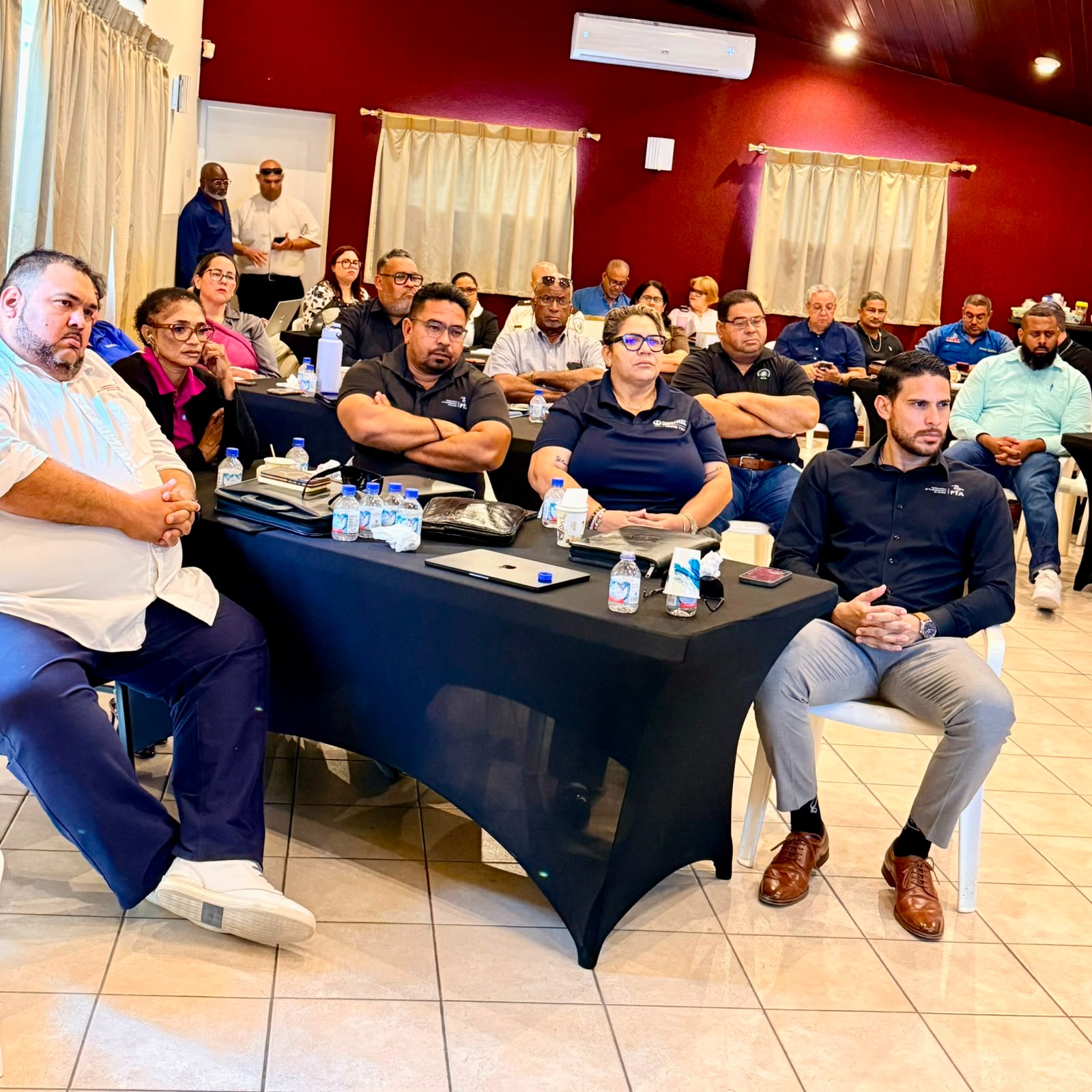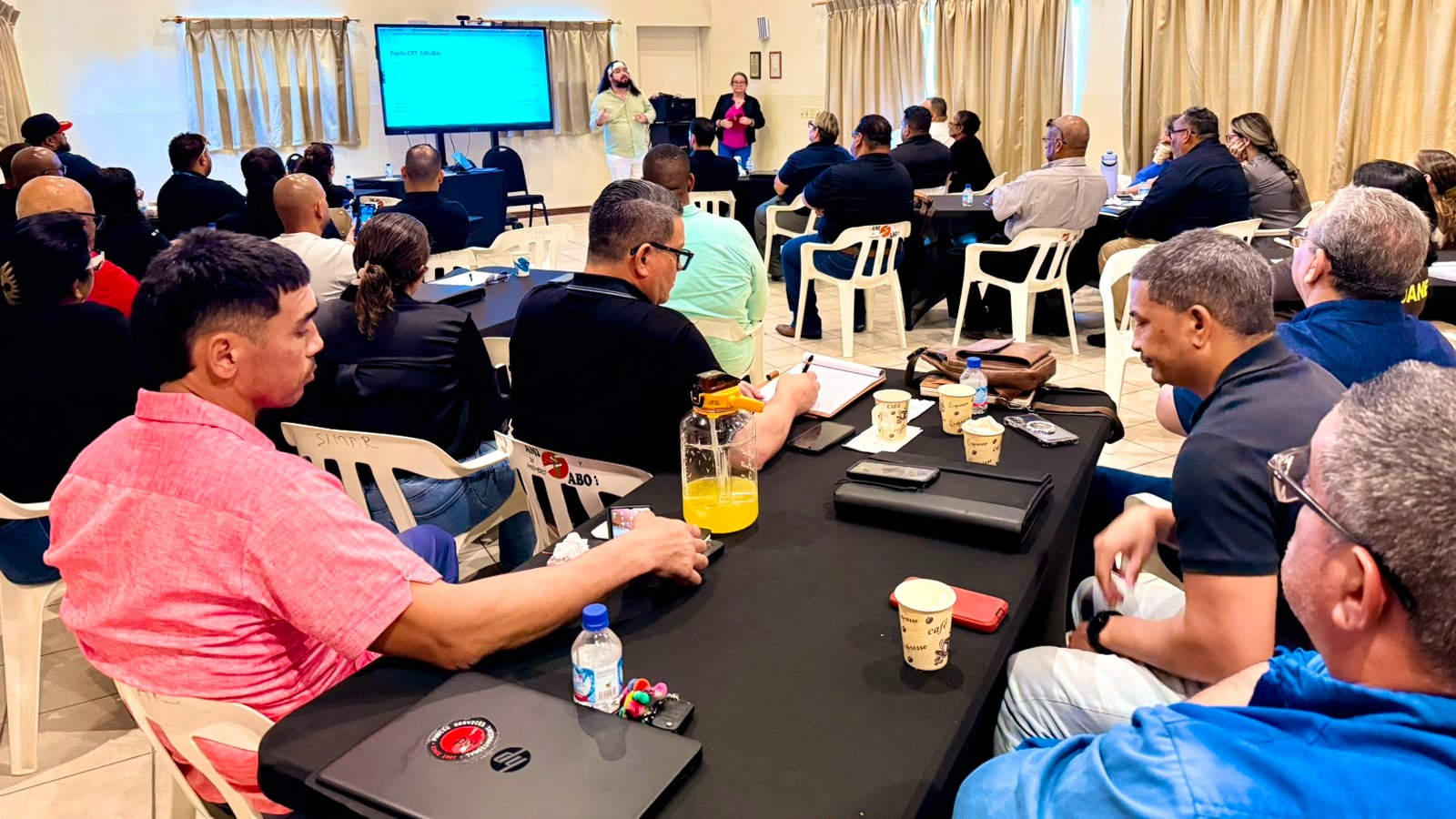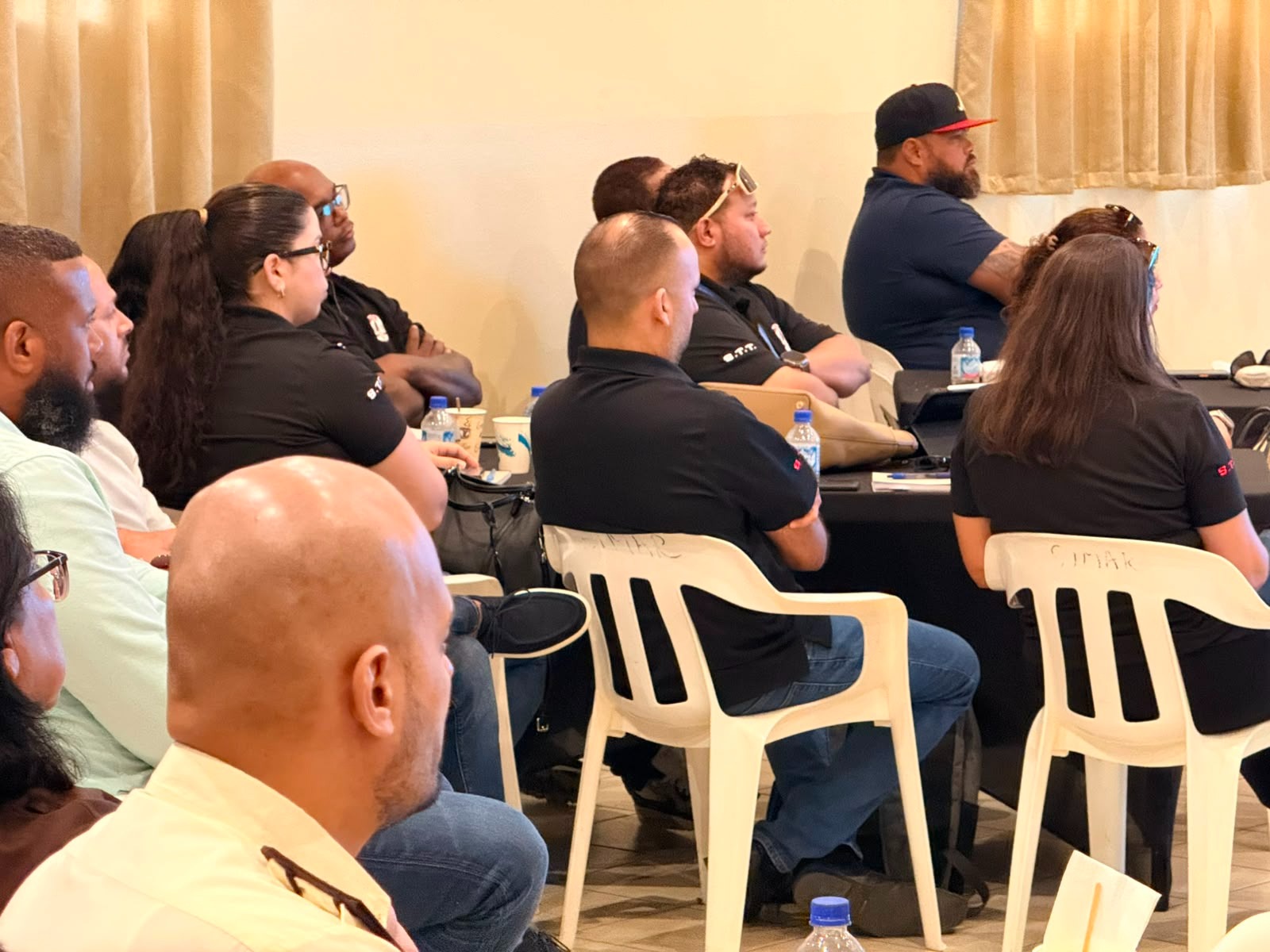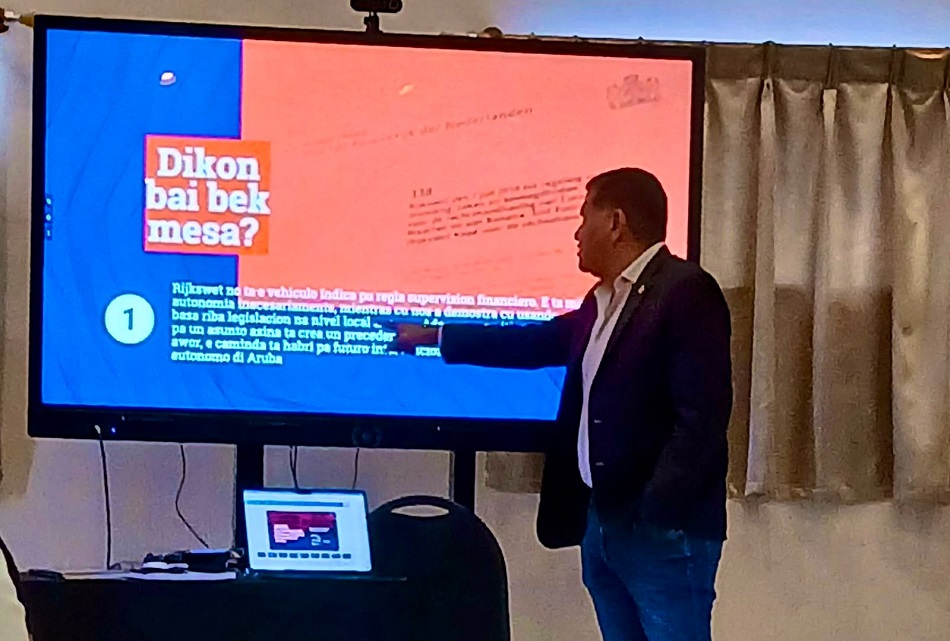
In an effort to ensure that the community and workers of Aruba are well-informed, a group of unions gathered to provide an urgent information session regarding developments surrounding the Rijkswet Financieel Toezicht (HOFA) and the Landsverordening (LWHO). The union group questions the Government’s transparency and emphasizes that these decisions are not merely financial matters, but that they affect the very essence of Aruba’s autonomy. The people deserve to be informed, and not just with the side the government wants them to see, but with both sides of the coin.
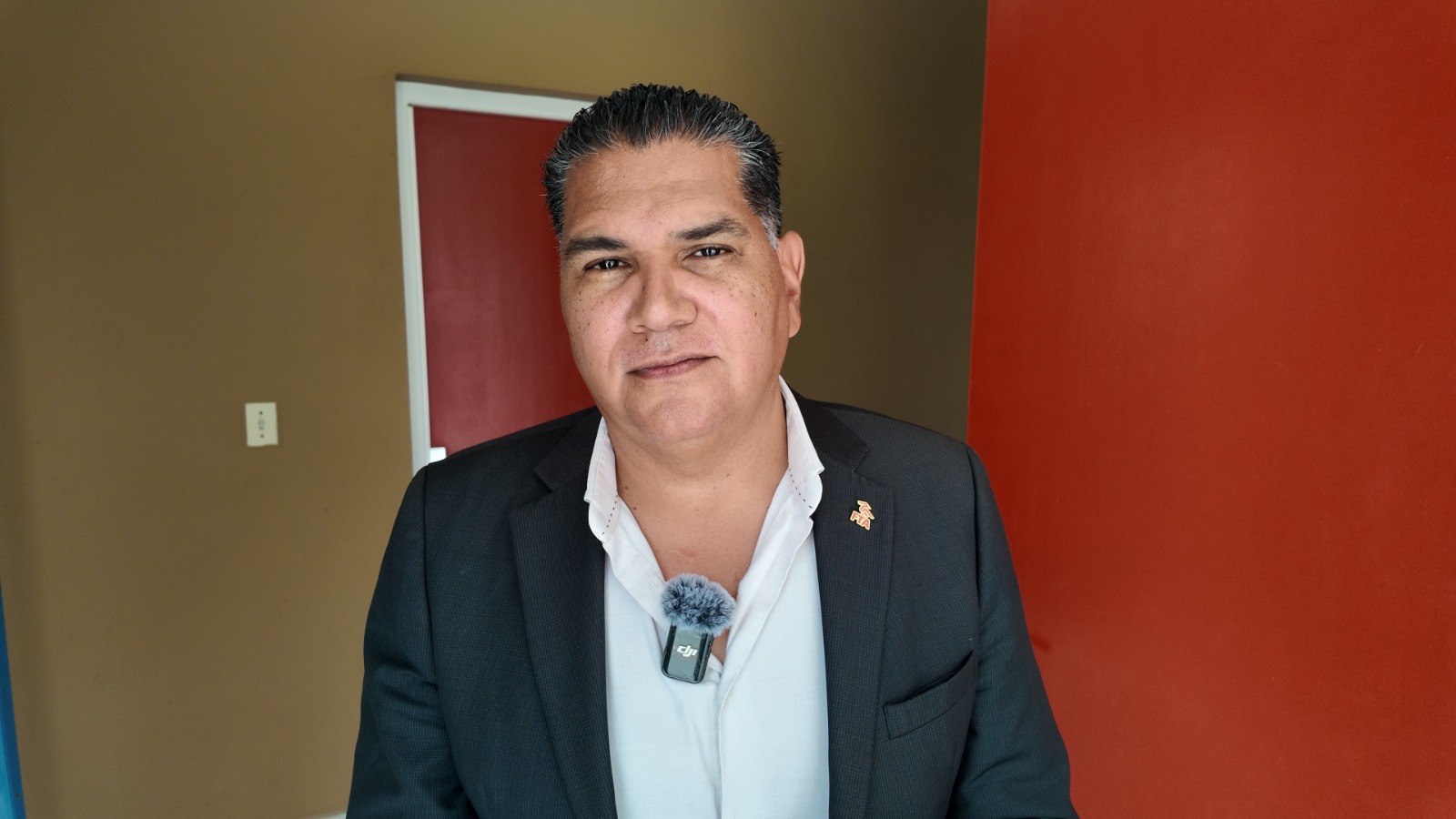
FTA union president Hose Figaroa stated that many sessions have recently been held for union boards so they could be up to date on the actual content of these documents. The main concern is that the public hears a lot about HOFA and LWHO, but lacks concrete and neutral information—a duty the government is failing to fulfill.
The unions explained that they did not want to take this approach from a political standpoint: “Aruba needs real information and has the right to know the situation as it truly is; a responsibility that the government of Aruba is not fulfilling, choosing instead to hide and misinform behind closed doors with only merchants.”
According to President Figaroa, the focus is on “established facts, on documents we can open and read as they are.” The unions noted they are not against financial supervision, and basically neither is parliament or the public, but they question the way it is being “dressed up” as a Rijkswet, which they consider an attack on Aruba’s right to self-determination.
The unions argue that Aruba’s financial discipline must remain under local control. President Figaroa raised serious questions about whether the fact that the Netherlands ties loan interest rates to the requirement of a Rijkswet constitutes a “consensus” based on freedom of choice or a forced measure. They pointed out that the Statute states that a country’s financial matters are not a Kingdom matter, but a matter for the country itself. Furthermore, they warned that politics change, and a parliament in the Netherlands five or ten years from now might have very different thoughts on this same law.
A major point of criticism is that the Government of Aruba has not fulfilled its obligation to properly inform Parliament and the people about the path they have chosen, opting to sit only with trade groups. The unions stressed that, since the advice from the Raad van Advies and Raad van State was released, it became clear that the concerns raised by the unions from the beginning were not “crazy,” but fundamentally based on the realization that the country’s autonomy is at risk.
Although the Government has not taken the initiative for a national dialogue, the unions are keeping the door open. They reiterated that they are always ready to sit at the table, provided the dialogue is based on transparency and full information. They concluded that “dialogue is extremely important because it creates better support for any decision.” Their goal is for the people of Aruba in the future to be able to make a balanced and well-informed decision, where financial supervision is maintained without it coming at the cost of the country’s autonomy.