Unions question the legitimacy of HOFA: “We must take the reins”
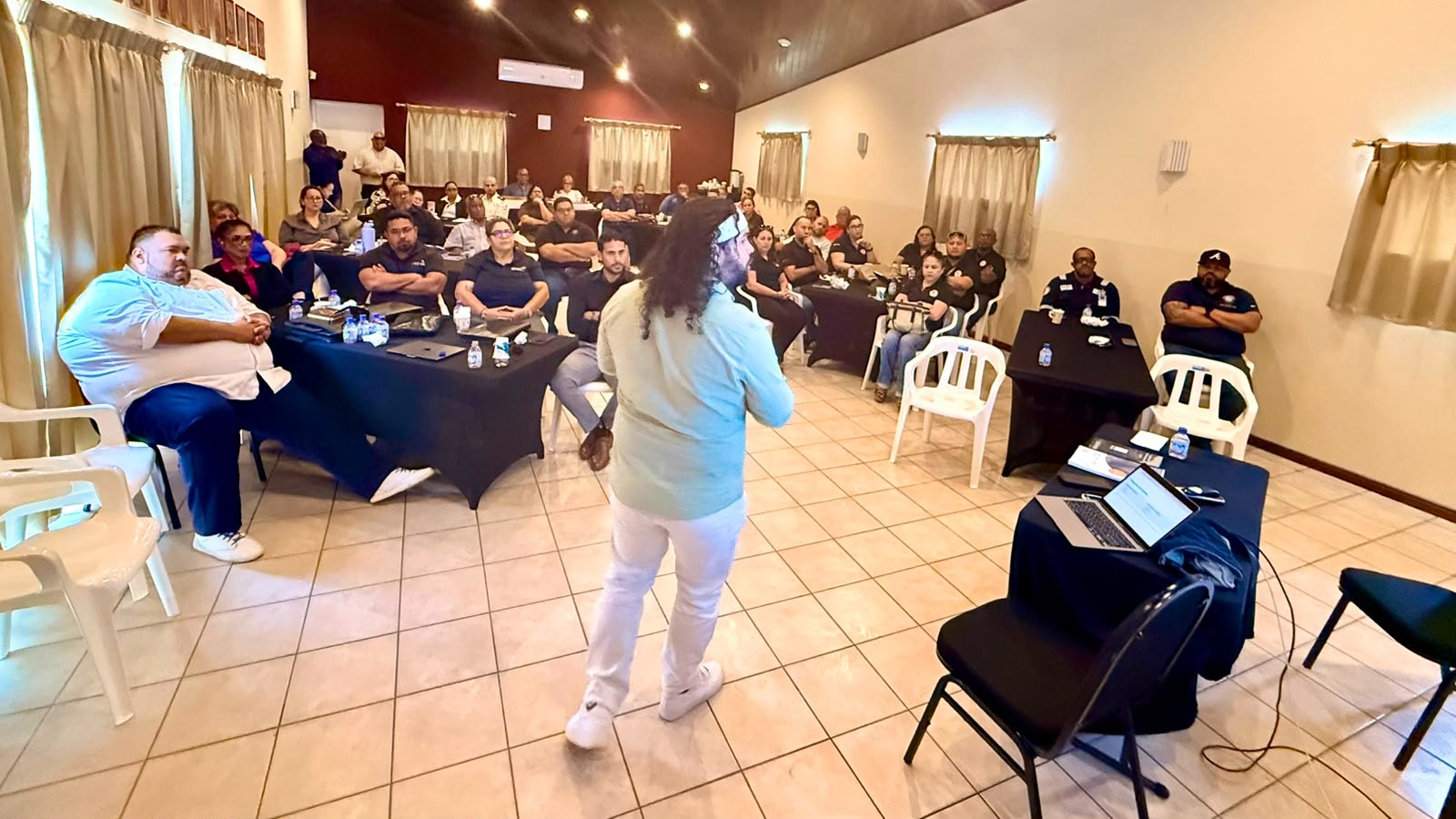
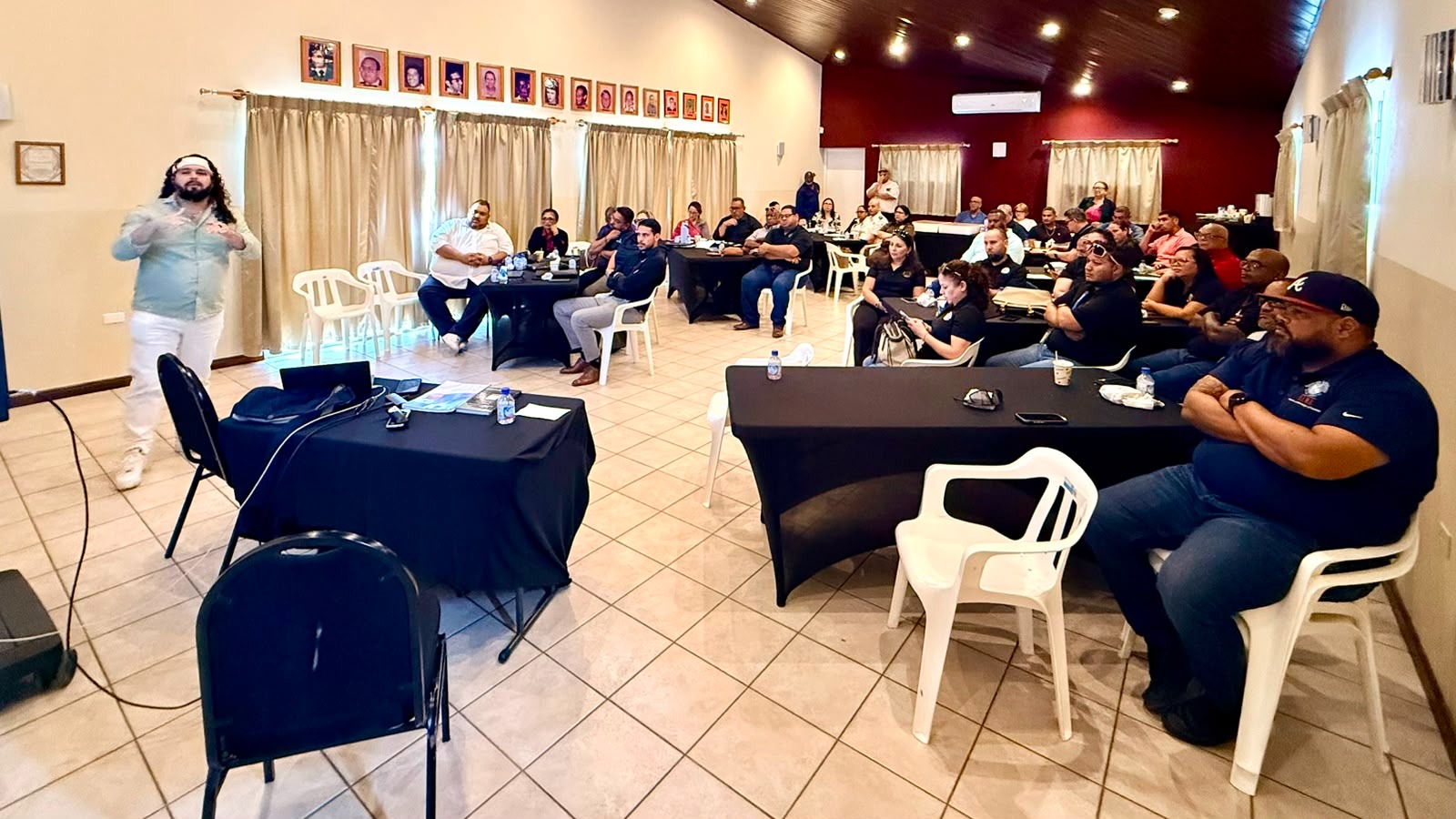
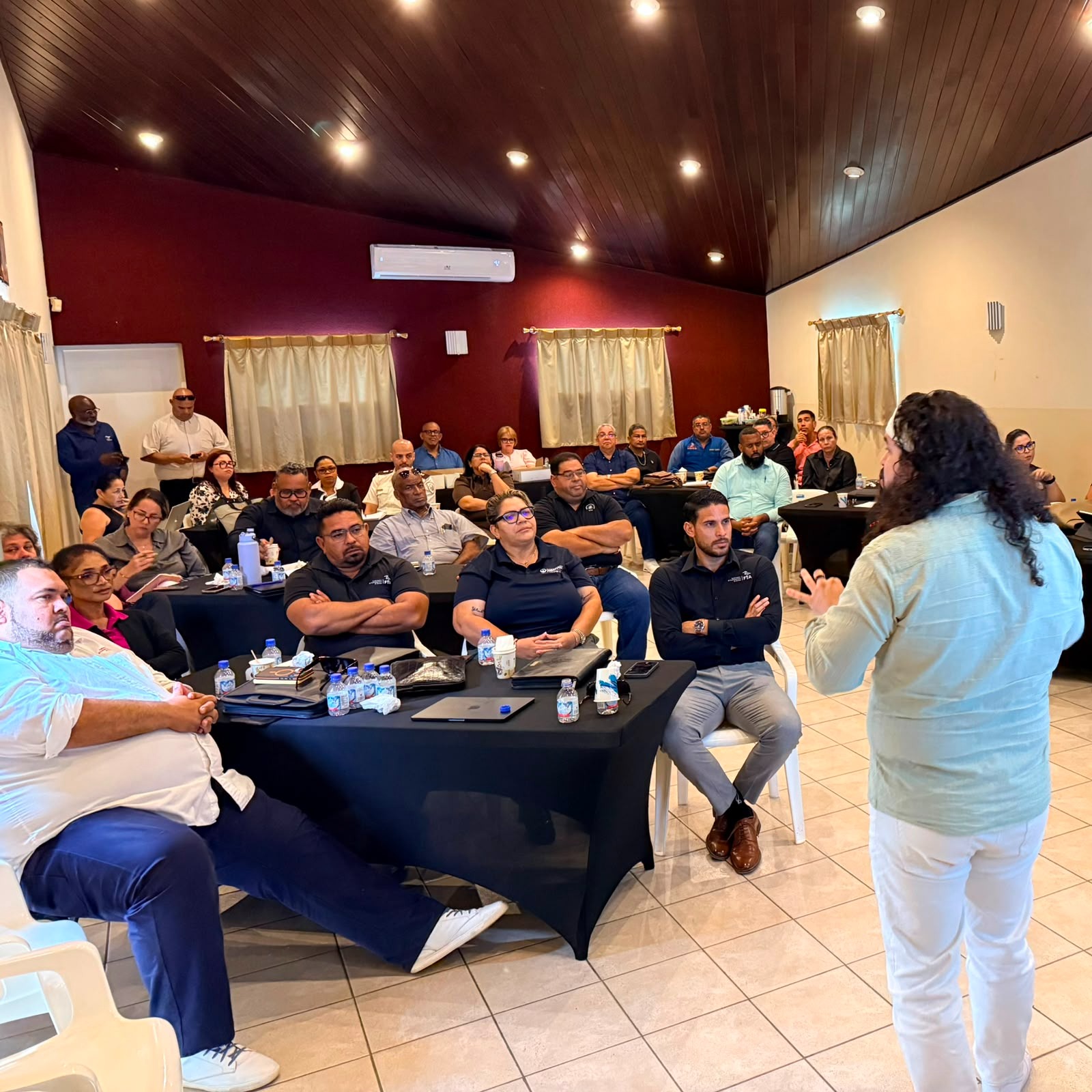
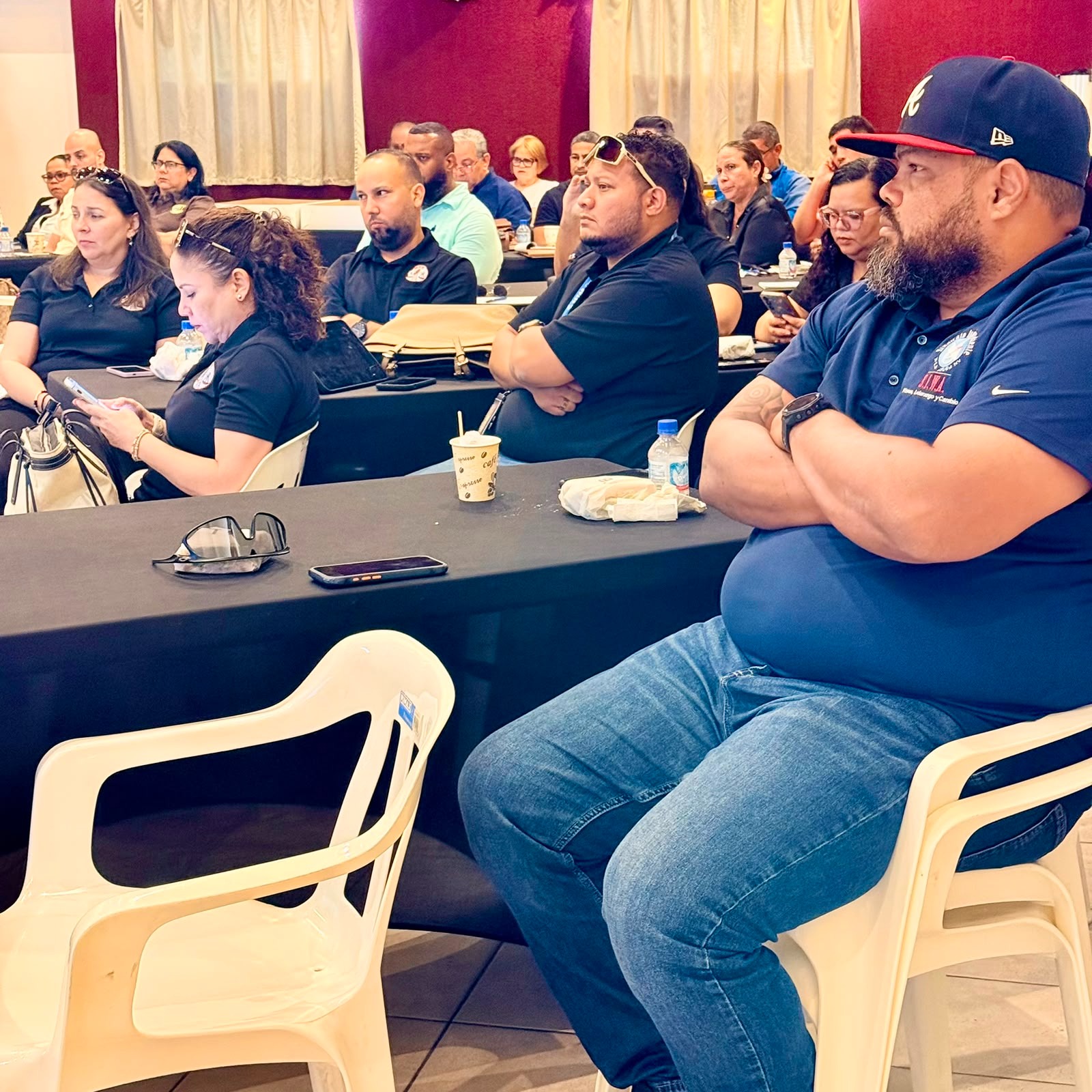
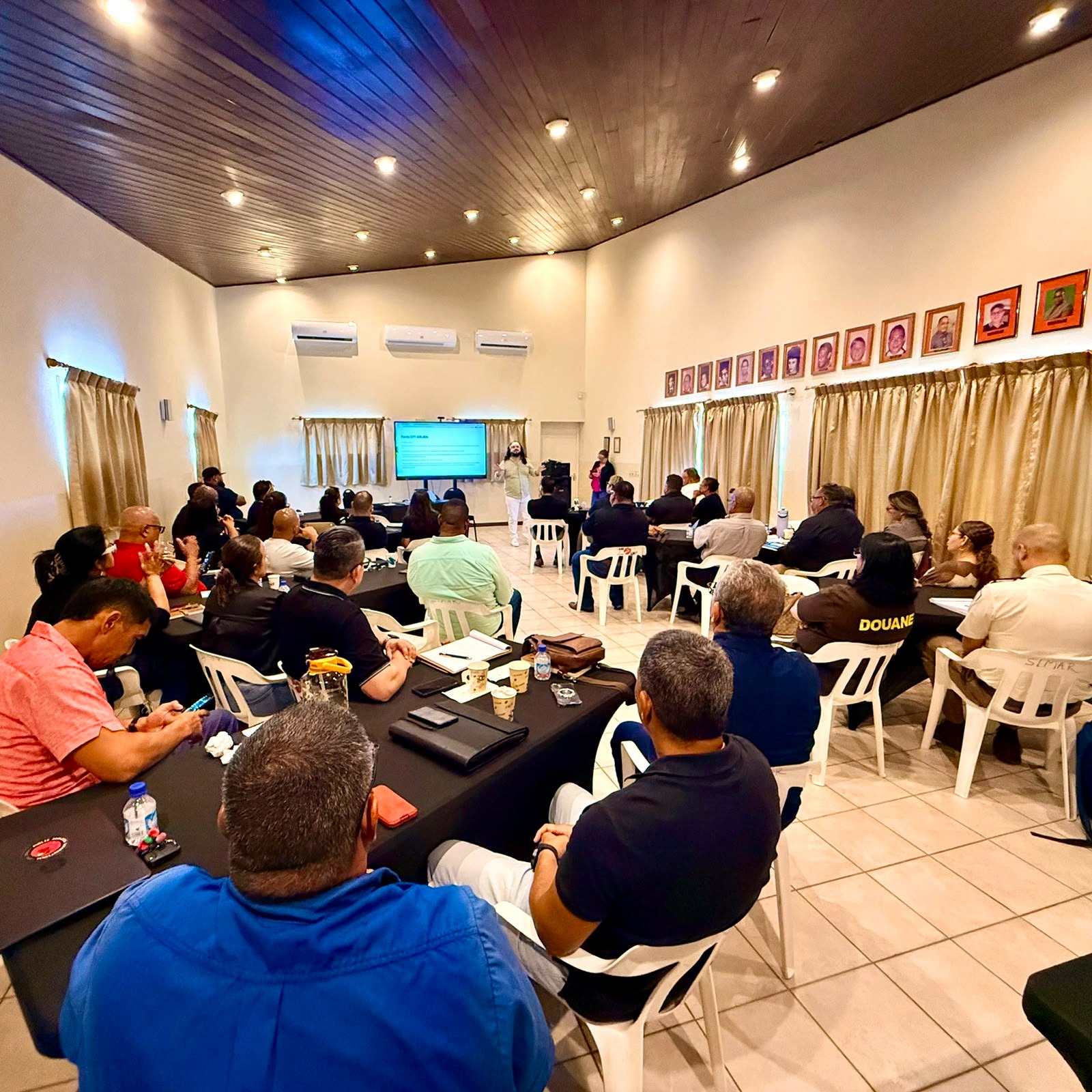
In a crucial meeting that brought together Aruba’s largest unions, Jaybertt Dijkhoff drew attention to the legal and financial situation of our country, emphasizing the rejection of the Rijkswet financieel toezicht (HOFA). The current structure is considered unconstitutional and a threat to Aruba’s autonomy.
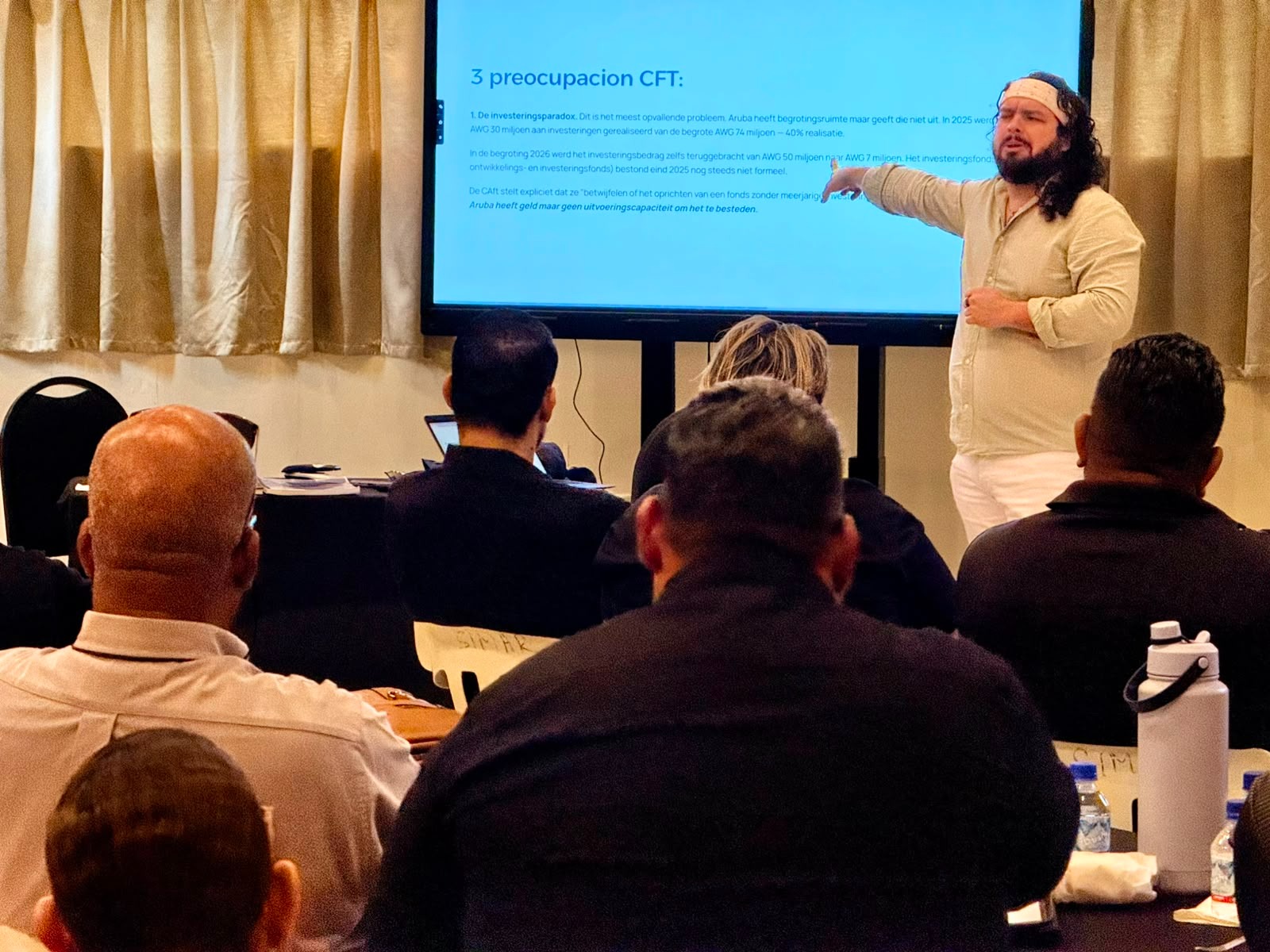
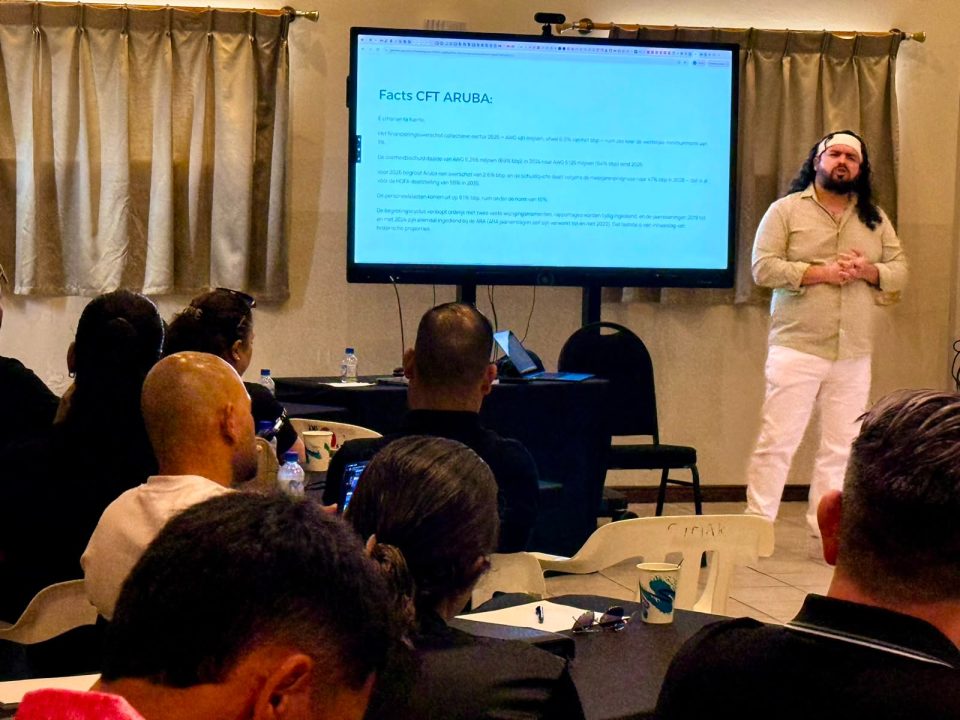
During this meeting, Dijkhoff emphasized that the main goal was to analyze the facts surrounding the HOFA trajectory, stripping away the political “framing” that often distorts public debate. “We have come to talk about the facts. Because we all have the right to form an opinion, but we do not have the right to manipulate the facts,” he stated.
Arguments against HOFA One of the central points of the discussion was the effectiveness of current measures. According to Dijkhoff, the government managed to reduce the national debt by 5% in a single year. “If we continue to reduce it like this until 2028, we will fall below the IMF norm without HOFA. It is therefore questionable why HOFA even needs to be implemented.”
Furthermore, it was noted that the College financieel toezicht (Cft) has concerns regarding the government’s execution capacity, even though funds are available for investment. For the unions, the solution is not external supervision that forces a consensus, but organic development. “Look at Bonaire, look at Curaçao, they also have the RAft. Have they moved forward? No,” Dijkhoff argued, referring to the lack of progress in other islands of the Kingdom under similar measures.
Lack of government transparency Dijkhoff strongly criticized the current government’s lack of transparency. According to him, the government is negotiating with the Netherlands and suggesting there is “consensus,” while neither parliament nor the people have been properly informed. He stressed that an “ex-colonized” country cannot be imposed upon by a power that has no basis in an election or referendum, nor any real consensus from the people.
The unions, which play a fundamental role in Aruba’s democracy, were urged to assume their responsibility as leaders of their rank and file. The final message was one of empowerment: Aruba has the capacity to direct itself, just as it has been doing since 1986.
“The door is not closed yet,” Dijkhoff concluded. “As long as we want to, let’s stand together, because we have the capacity within ourselves; it is never too late.” The effort now is to filter this information to all union members and the community at large, so that the people can form an opinion based on facts and not on political agendas.