

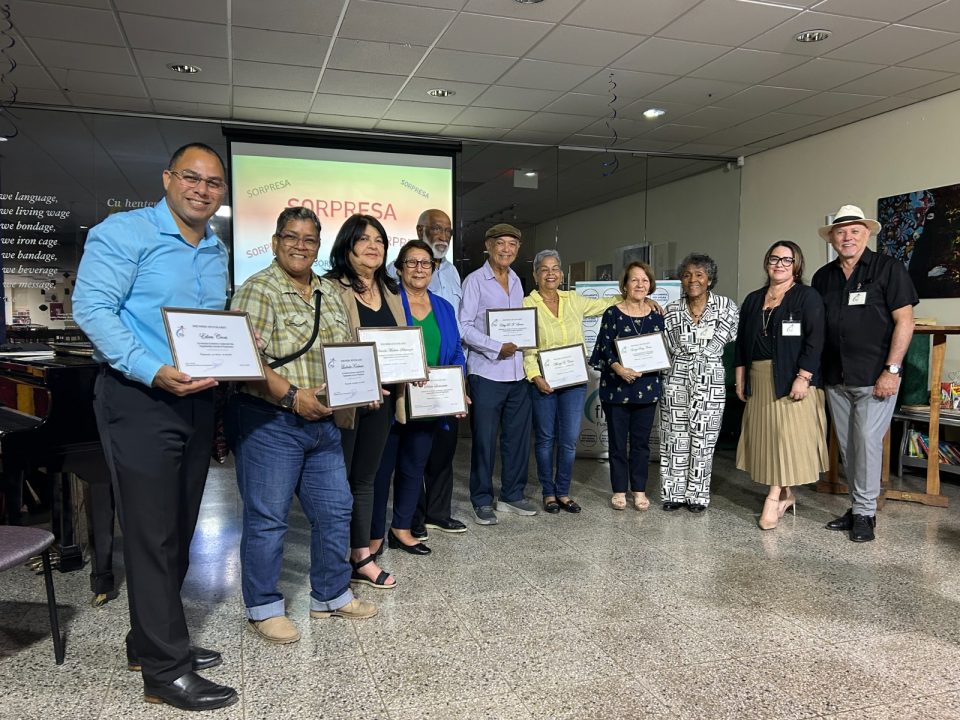
The world recognized International Mother Language Day, a day established by UNESCO to promote linguistic diversity and multilingualism. For Member of Parliament Eduard Pieters, who has more than 20 years of experience in the field of education, this day is not merely ceremonial or symbolic. It is a political reminder that Aruba must treat Papiamento not only as a home language, but as an instrument of equality, learning, and national identity.
Aruba has a unique advantage: we are naturally multilingual. But the serious and critical question is: Are we using that strength to create opportunities? Or are we allowing the linguistic system to foster inequality?
Papiamento: Official language, but the struggle continues
Papiamento is the most widely spoken language in Aruba and has been one of the official languages, alongside Dutch, since May 2003. However, being “official” on paper does not automatically mean being “equal” in practice. If a child enters school with Papiamento as their mother tongue, but the system does not strengthen literacy and deep comprehension in that language, we are creating a disadvantage from day one. The result is visible: more frustration, greater delays in reading, and a higher risk that some children will lose confidence in themselves.
Education: A step forward, but consistency is needed
An important development was announced: as part of the new language policy, literacy in Papiamento has officially been introduced in Grade 1 in all primary schools for the 2024–2025 school year. This is a step that PPA and Eduard Pieters recognize as real progress, because it places the mother tongue at the foundation of learning.
But policy alone is not enough. Implementation is what separates vision from propaganda. A summary of the 2024 Integrated Language Policy clearly states that for teachers to use Papiamento and Dutch as languages of instruction in primary education, they must master both languages at a B2/C1 level. If we do not seriously invest in training, coaching, and quality materials, the change will remain superficial — and once again, the child will pay the price.
Mother Language Day as a test of governance
Mother Language Day is not only for poetry and publicity; it is about implementation, safeguarding, strengthening, and evaluating policy. Eduard Pieters raises several political questions:
-
How are we measuring progress? (reading results, retention rates, student well-being)
-
Who is responsible for the quality of implementation? (the Ministry, SKOA, DPS, IPA, teacher training institutions, inspection services)
-
How much funding actually goes to Papiamento in the classroom? (materials, instructional time, evaluation)
If Aruba is serious about dignity, we must stop the idea that Papiamento is “good for culture” but not “strong for school.” That mindset creates social barriers.
Finally, Eduard Pieters emphasizes that Papiamento is more than a language. It is the way our children think, feel, and interpret the world. It is no coincidence that UNESCO reminds us every year to protect mother languages, because by doing so, we protect human dignity and the future of our community.
For Eduard Pieters, last Saturday’s message remains relevant every year: Papiamento in education is not just another option, but a right that we must respect and embrace. Aruba must continue to strengthen literacy in Papiamento, raise teacher proficiency levels, and establish measurable goals with transparency. Because when we sow learning in the language a child understands best, we are not only defending culture — we are building equality.