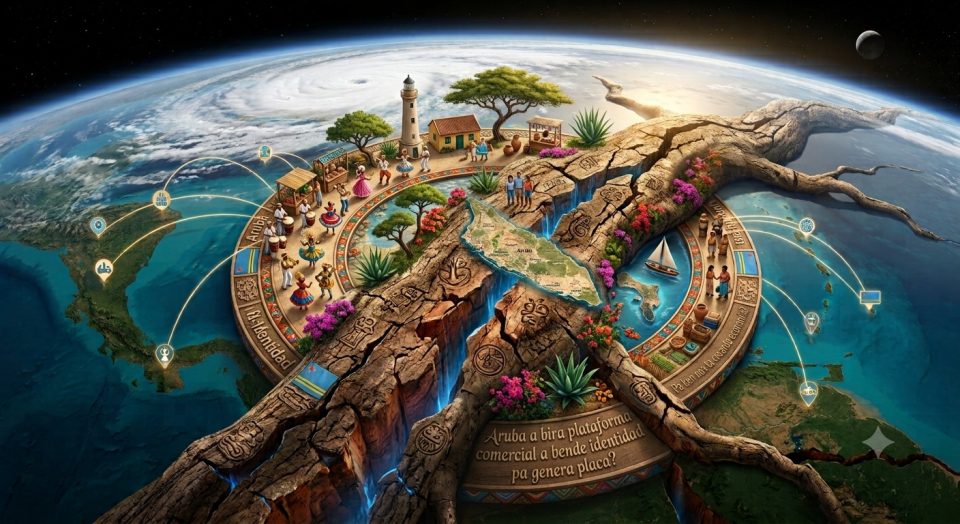
Aruba has changed. From the structuring of our Status Aparte until today, economic partners and political discourses have always advocated for progress, job creation, and expansion. But behind the positive macroeconomic numbers and the facade of a prosperous island, lies a deeper and more painful social reality knocking on our community’s door: an identity crisis, an imbalance in national priorities, and a silent exodus of our own inhabitants.
The question that many citizens, educators, and analysts are organically asking themselves today carries an undeniable harshness: For whom are we creating this economy? Are we working for the well-being of Arubans, or has Aruba simply become a commercial platform where identity was sold out to generate money?
The reality in the classroom: A social radiography
One of the most vivid indicators of this transformation is in our classrooms. Schools that were historically built with the primary goal of educating and uplifting the future generations of this country now reflect a completely different demographic landscape. In many classes, the number of children of purely Aruban descent is a visible minority.
While official and diplomatic discourse insists on a cosmetic integration claiming that “anyone who chooses Aruba as their home is Aruban,” the cultural reality within households is quite different. Many immigrant families whose children were born here raise the new generation with the customs, values, and culture of their home countries. At that point, a constitutional and cultural question arises: Does being born with the ‘stamp’ of being legally Aruban make you part of the identity and soul of this land?
The lack of a strict national integration policy has structurally paused a phenomenon where, instead of immigrants adapting to Aruba, the system itself has begun to yield and adapt to the influx around it, placing the preservation of our culture in a vulnerable position.
Political silence and the breaking of roots
This development did not happen overnight; it is the result of decades of political decisions and omissions. Neither past nor present rulers have paused to analyze the socio-cultural impact of uncontrolled growth.
While “green lights” and facilities were given to foreign investments and labor, Arubans themselves were left behind. The lack of affordable housing, the unreachable cost of living, and the lack of opportunities in key positions have created an environment where the island’s own children can no longer withstand the economic pressure. The consequence? A massive exodus. A migration where Aruba’s most professional and skilled generations “fly away” abroad (such as to the Netherlands) in search of a better life and the stability that their own government cannot guarantee them.
“We have created a country where Arubans themselves become structural foreigners in their own land, forced to abandon their roots just to survive.”
What have we created, and for whom?
Journalistic balance requires looking at both sides: immigration has contributed to the workforce and the development of the tourism industry that we live off today. No country grows in isolation. However, the cardinal mistake of the political leadership was the lack of protection for the local core. An economy without identity is simply a commercial transaction; a country without the preservation of its roots is a territory without a soul.
The Aruba of today is bigger, has more hotels, more cars, and more movement. But the crucial question that must be answered in the coming years of decision-making remains up in the air: Will Aruba truly remain Aruba? Or have we created a beautiful product for the outside world, selling off the heritage of those who laid the foundation of this island? The answer lies not in beautiful political speeches, but in real policy that must begin today to halt the loss of our identity before the damage becomes irreversible or total.
The Identity Dilemma: For whom is Aruba growing, and what remains of our roots?