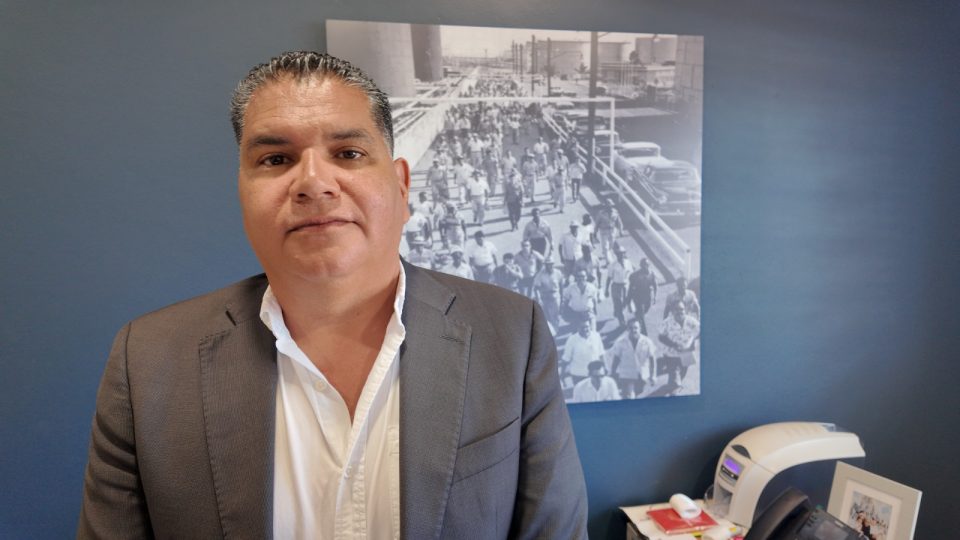
The recent legalization process for individuals in an irregular status in Aruba, instead of bringing a definitive solution, has been accompanied by a series of new challenges and concerns for the country.
According to statements by the President of the FTA union, Hose “Jomar” Figaroa, the manner in which this was handled raises serious questions regarding the impact on government departments and the lack of sanctions applied to those who created and allowed this illegality to grow in Aruba.
Shared Guilt: Employee and Employer
In a deep analysis of the topic, Figaroa emphasized that blame cannot be placed solely on one side. According to the union leader, when discussing undocumented labor, there are at least two main actors involved who must bear responsibility.
“You cannot place the blame in just one place. If you say the blame lies solely with the migrant who came to work undocumented… okay, true, they have a strong desire to work undocumented, but they need an employer to be able to work. Right there, you have at least two guilty parties,” Figaroa pointed out.
The main concern is that, in its current form, the process seems to “clear the path” for the people who caused harm and “trampled on Aruba’s laws.” These decisions may provide a temporary solution for commerce, but in the long run, they bring problems for the Country of Aruba and the People themselves, especially due to the lack of selective financial sanctions on employers who fostered this situation.
Tolerance and Lack of Government Control
Figaroa went further by pointing to the Government itself as a third actor in this dilemma. He questioned the lack of structural supervision over many years, which allowed the situation to escalate.
“If you as a country tolerate this for a long period, five or ten years, where you haven’t done much to ensure the law is complied with, you cannot suddenly come and want to punish everyone. There is a certain guilt within yourself as the government of your country for not ensuring proper control over the labor market,” he added.
According to the FTA president, it was no secret to anyone that undocumented individuals were working in every corner of the island; while it shouldn’t have happened, it did, and the government failed to act.
Aruba’s Economic Dilemma
In conclusion, Figaroa explained the harmful situation Aruba currently finds itself in. Even though the illegal situation is incorrect, the country has developed a certain dependency on this workforce.
If from one day to the next it was decided to deport all undocumented persons from Aruba, it could create a larger crisis for local commerce. “Then you wouldn’t have people to work,” Figaroa explained, indicating that as a country, Aruba has benefited from the fact that these individuals were there to do the work that was absolutely necessary for the economy.
The challenge now is how to implement structural policies and punishments for those who do not comply with the law, without destabilizing the labor market and without disregarding the well-being of the people of Aruba.
Hose Figaroa (FTA): Legalization process raises serious concerns over lack of government control