What is more dangerous for a country: a Government facing problems to solve, or a Government lacking a shared direction to solve them? For PPA leader Otmar Oduber, Aruba is facing precisely the second risk.
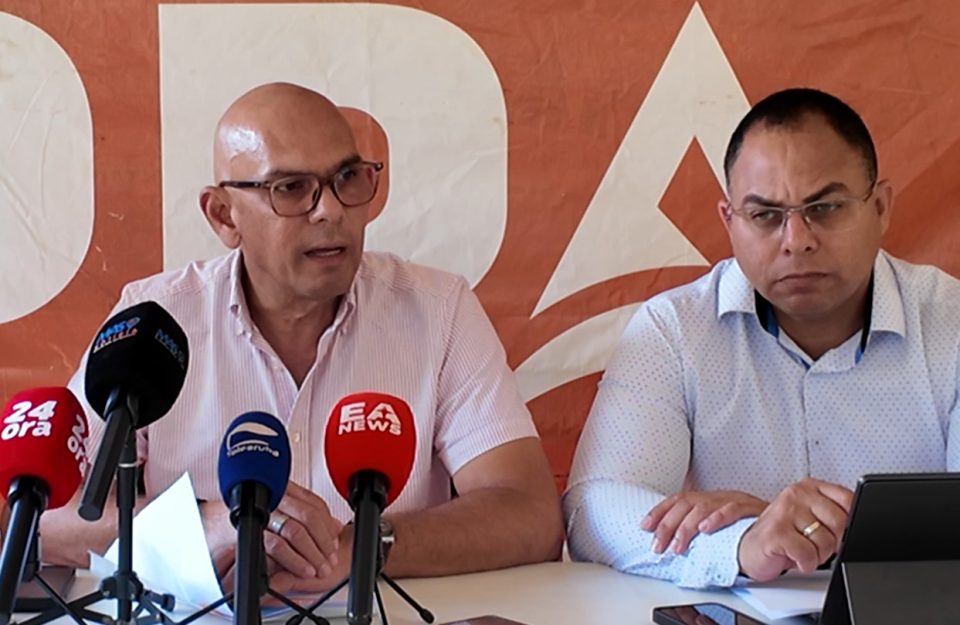
During a press conference, Oduber criticized what he considers a lack of vision, coordination, and leadership within the current coalition, at a time when major decisions regarding the economy and the country’s future demand proper planning.
“We Prepared Before the Elections”
Oduber recalled that PPA, after approximately 20 years outside Parliament, assembled a broad group of professionals to prepare its 2024 electoral program, featuring a vision for Aruba’s development through 2050. According to Oduber, a serious political party cannot wait until after winning an election to start thinking about how to govern. “You must know where you want to lead your country before asking for the people’s trust. That is why we prepared a governing program rather than just a list of promises to win an election,” he stated.
From Promises to Concrete Policies
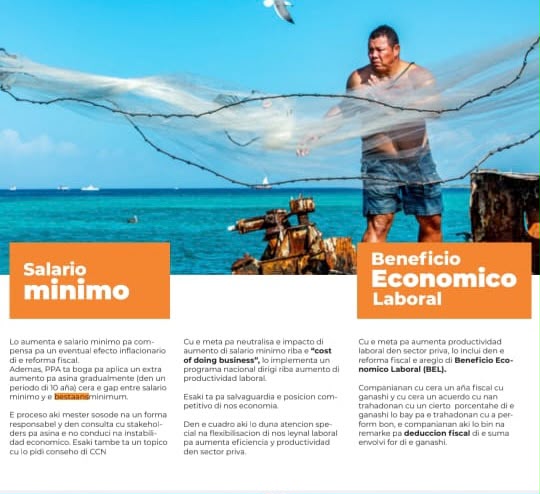
Oduber cited the gradual increase of the minimum wage as an example, given that it is currently the most prominent topic in the community. PPA proposed a ten-year trajectory combined with labor productivity metrics, economic consultations, and measures designed to prevent inflationary pressure.
Another example is the regularization of undocumented workers. According to Oduber, PPA proposed addressing this issue through labor market needs assessments, civic preparation, language training, and immersion in Aruban culture to facilitate integration into the formal economy. “Regularization is not merely handing over a permit document. It means preparing people to become part of our society and contribute to the economy and community harmony.”
Governance Cannot Depend on Improvisation
Oduber maintains that the current rift between coalition partners regarding the minimum wage demonstrates the danger of forming a Government without sufficient alignment on economic strategy. According to Oduber, a coalition must be built on more than a power-sharing arrangement; it requires a unified policy agenda to guide decision-making, rather than what currently resembles a forced marriage. “A country cannot depend on who holds more influence or who wins an internal argument,” he noted.
“The People Must Know Where the Government Is Taking Aruba”
For Oduber, the true test of an electoral platform is its implementation. Wages, employment, productivity, living costs, and labor market integration must be components of a coherent strategy.
“Governing is not simply holding office. You must know what you want to achieve, how you will achieve it, and how you will account for the results. A Government without a shared direction may continue making decisions, but that does not guarantee the country is advancing toward a clear destination,” Otmar Oduber indicated.