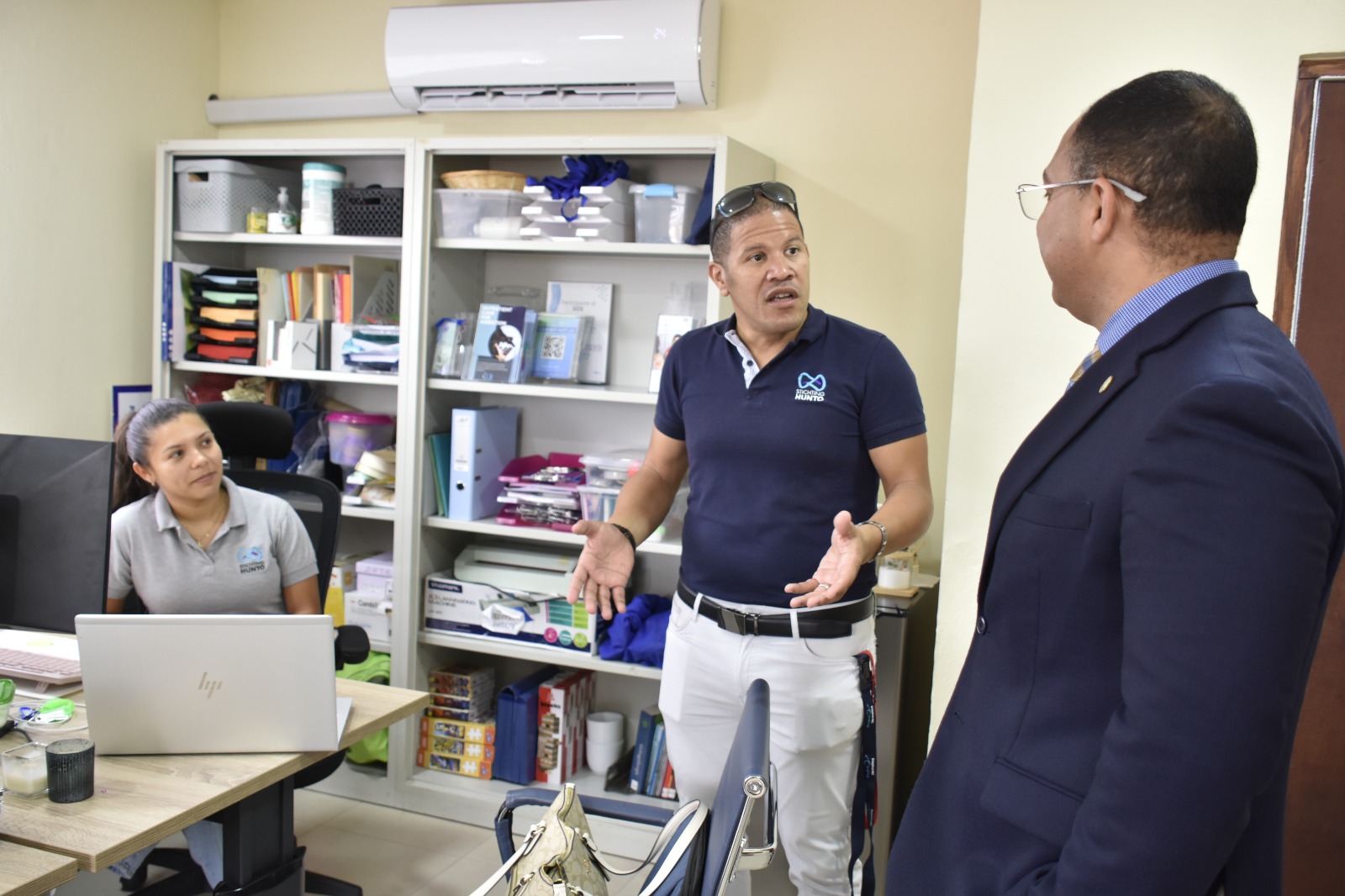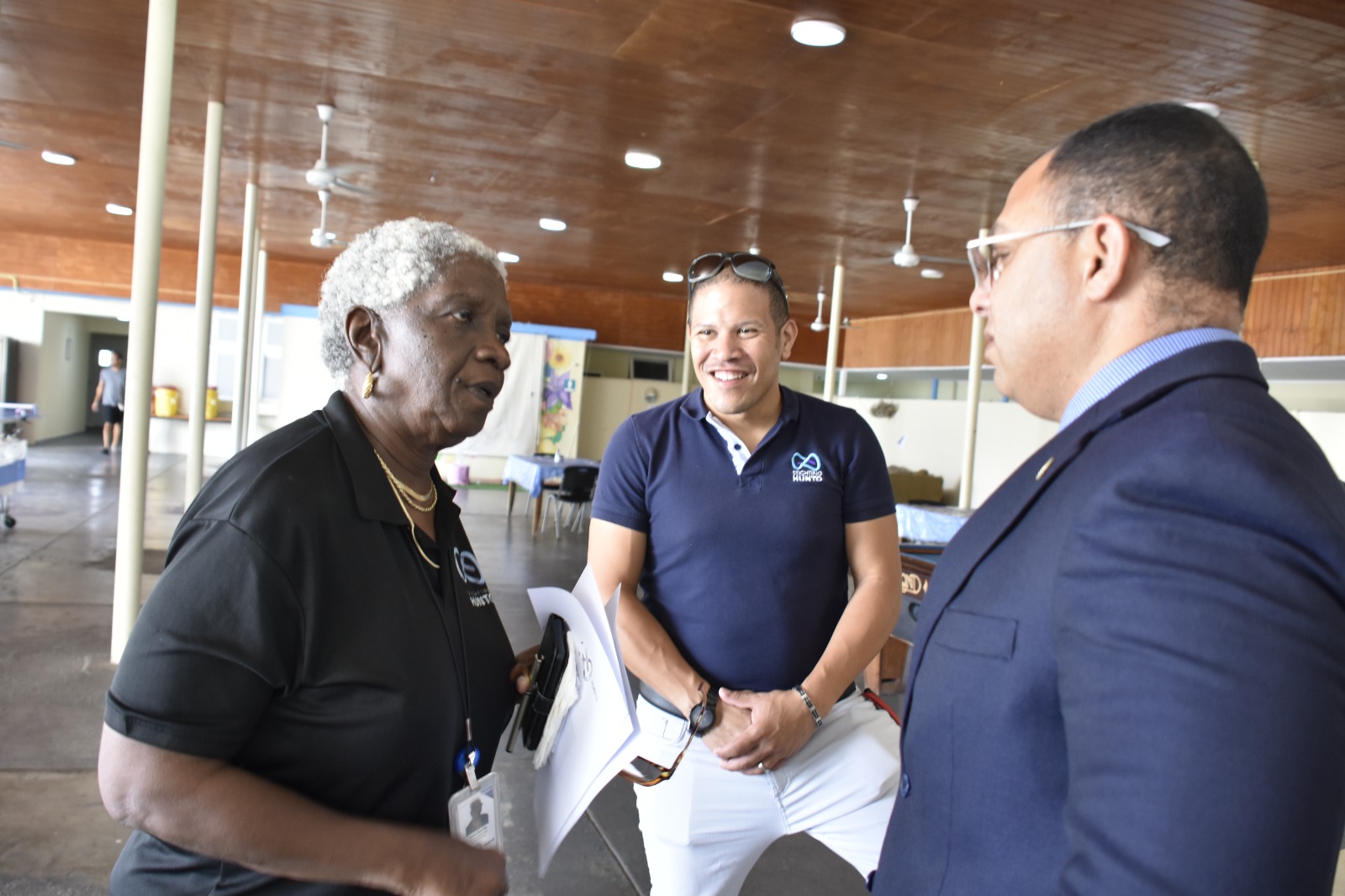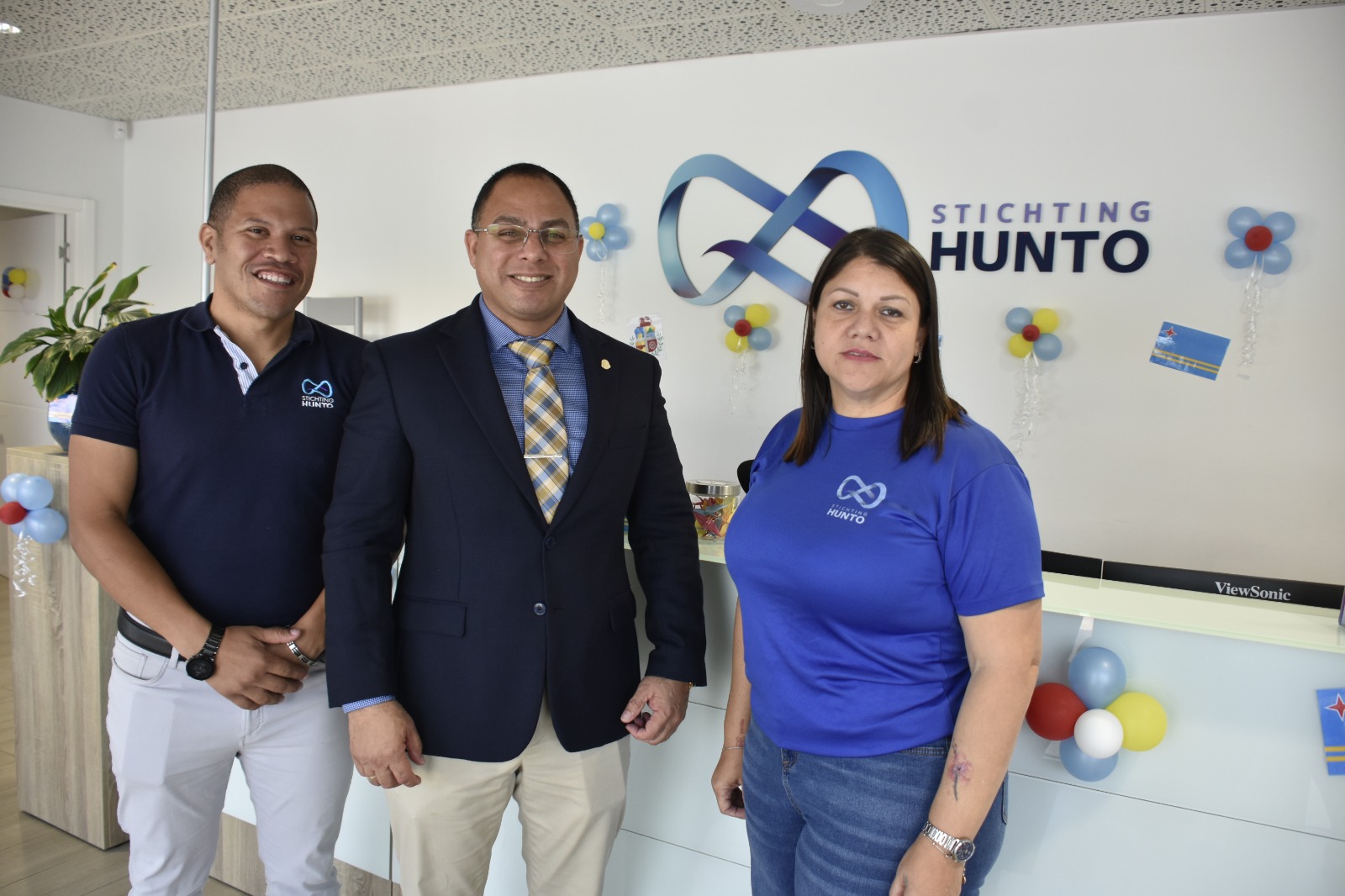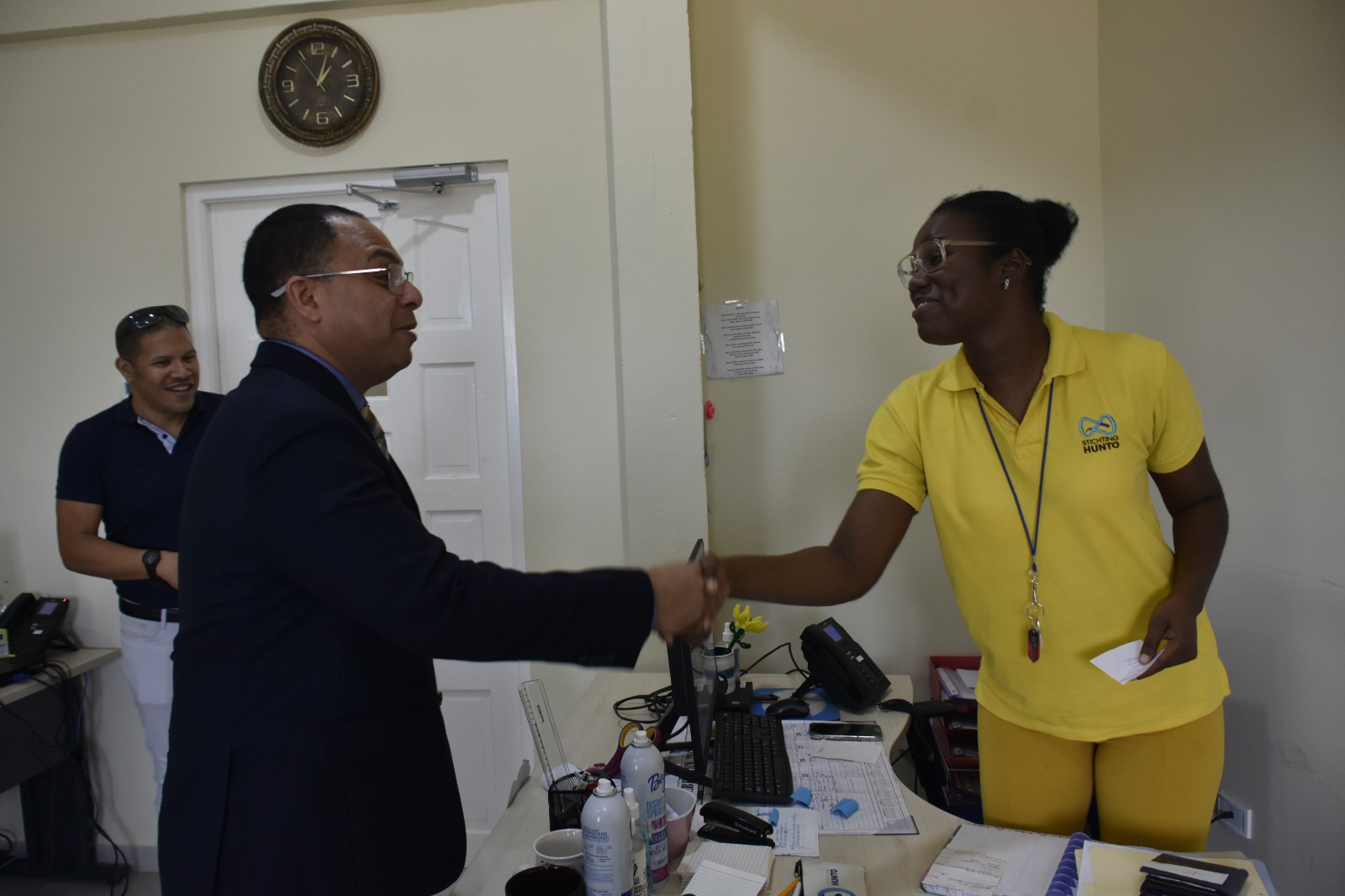
Since the moment Member of Parliament Eduard Pieters of the PPA faction was sworn in, he made a clear decision: not to speak about mental health from a political distance, but to sit at the table with the professionals who work in this field every day and join forces. Mental health is not a secondary topic for him. For Eduard Pieters, it is both a personal and professional commitment, shaped by more than 20 years in education and public service. For the first time in his role as a parliamentarian, he has begun a serious round of consultations, with special emphasis on specialized mental healthcare in Aruba.
Respaldo: Specialization and gaps in the system
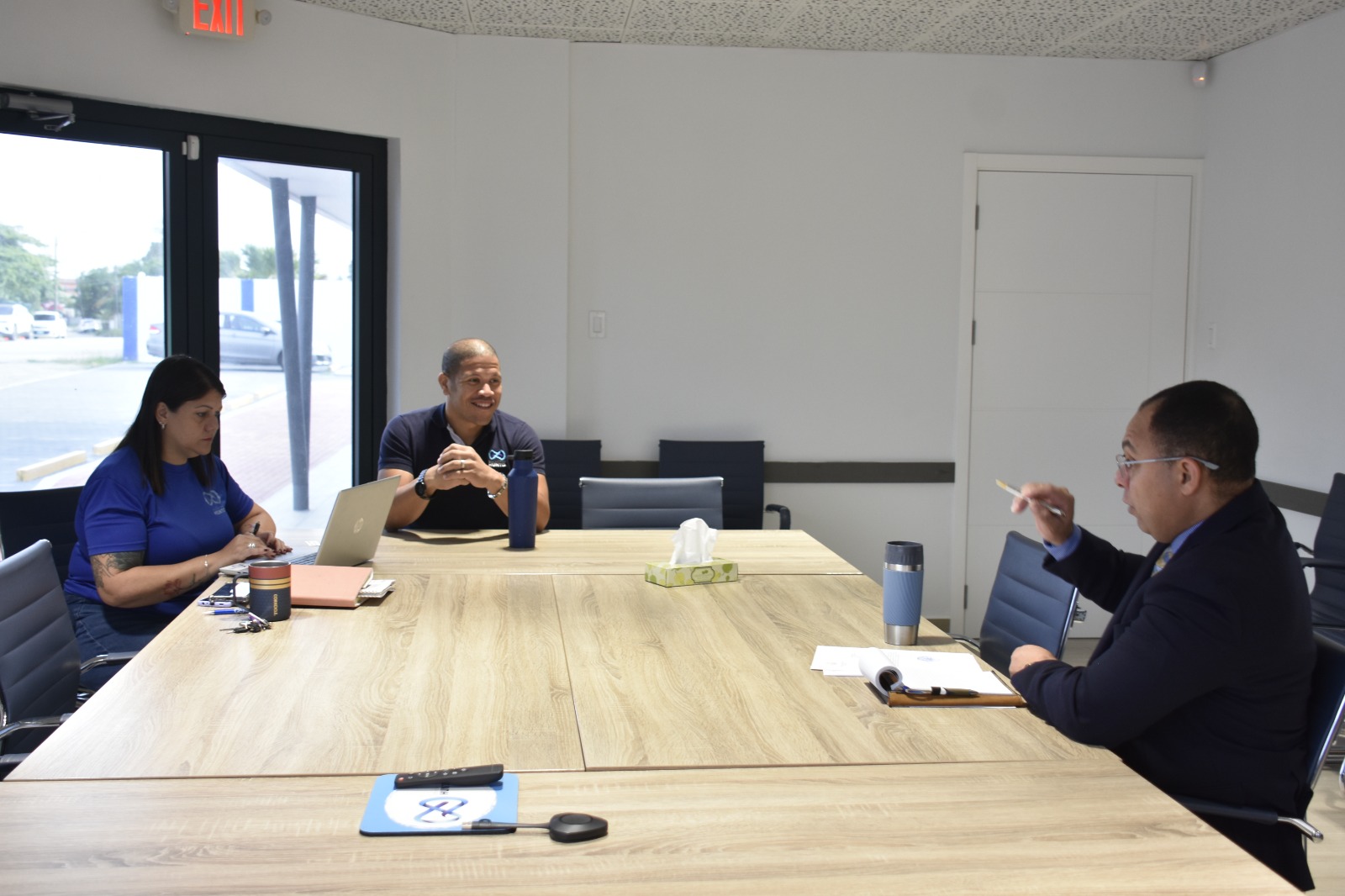
Last year, Pieters visited Fundacion Respaldo and met with the director and board members. The dialogue was deep, concrete, and unfiltered. The information shared highlighted both professional commitment and structural limitations. Following that visit, he submitted crucial questions to the minister concerned regarding:
-
Capacity for specialized care
-
Continuity of treatment
-
Human resources
-
Existing gaps in the chain/system of care
Specialized mental healthcare cannot function in isolation. If the system is not connected, the patient falls into the gap.
Stichting Hunto: Basic care, prevention, and rehabilitation
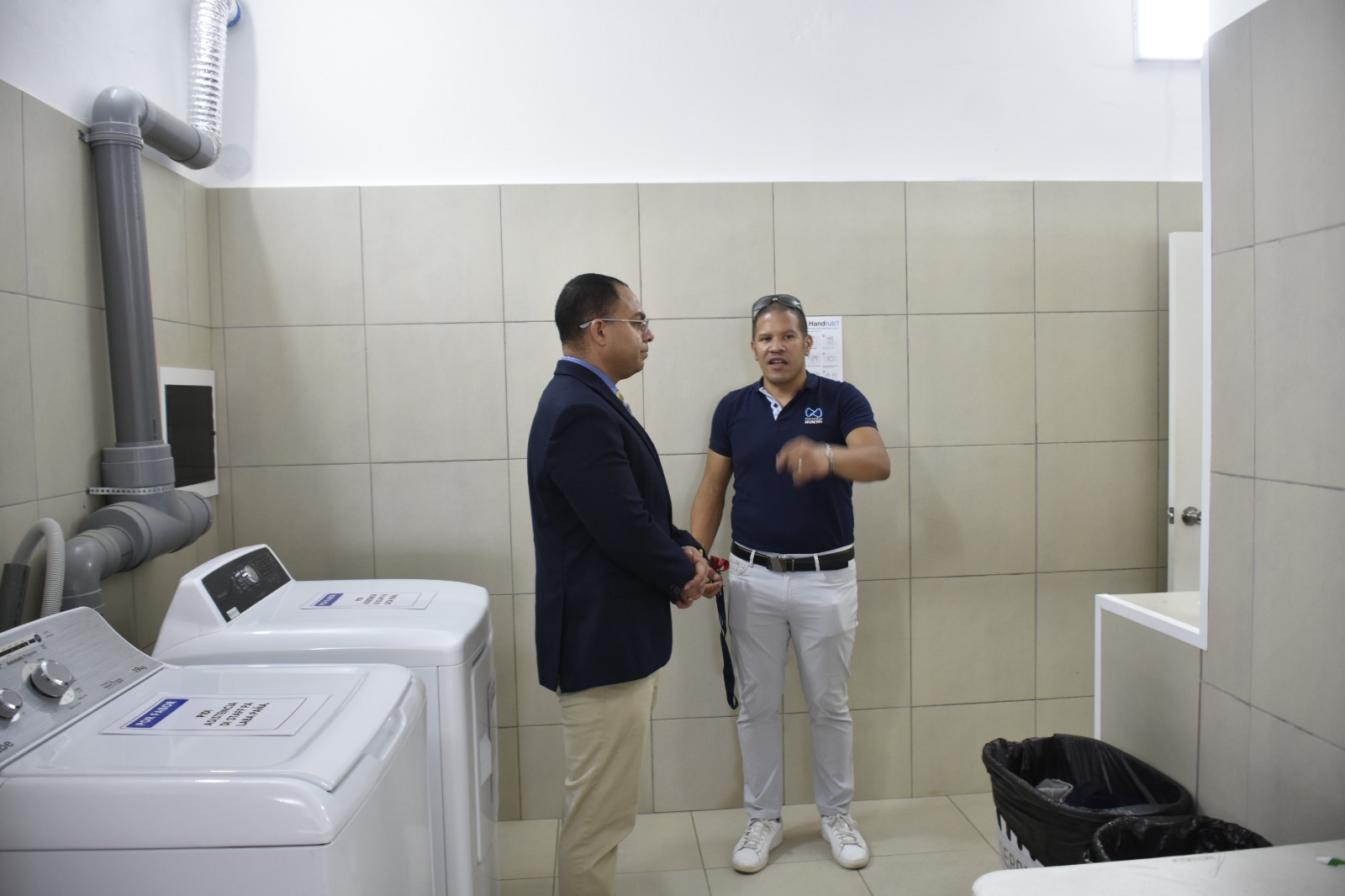
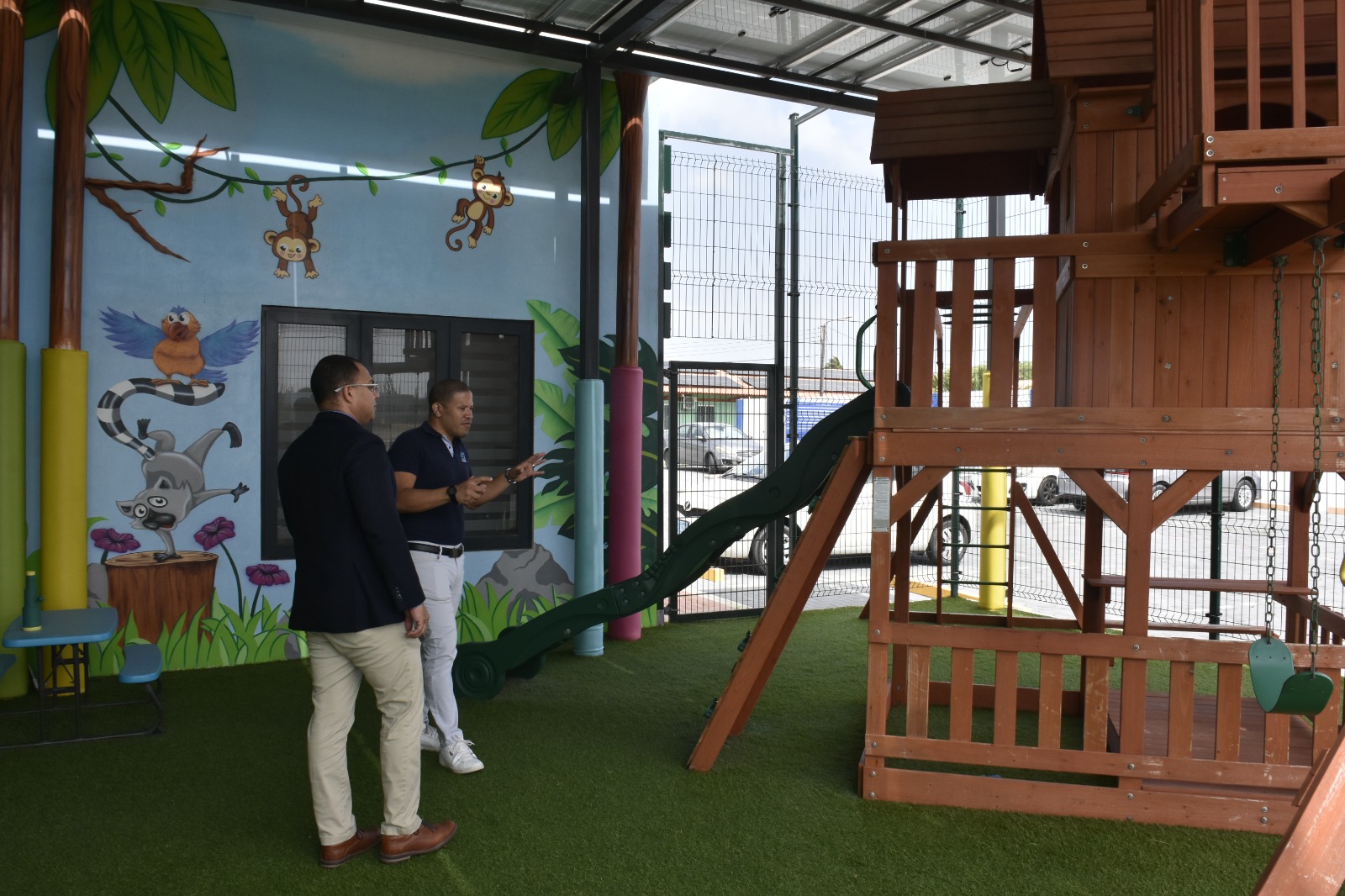
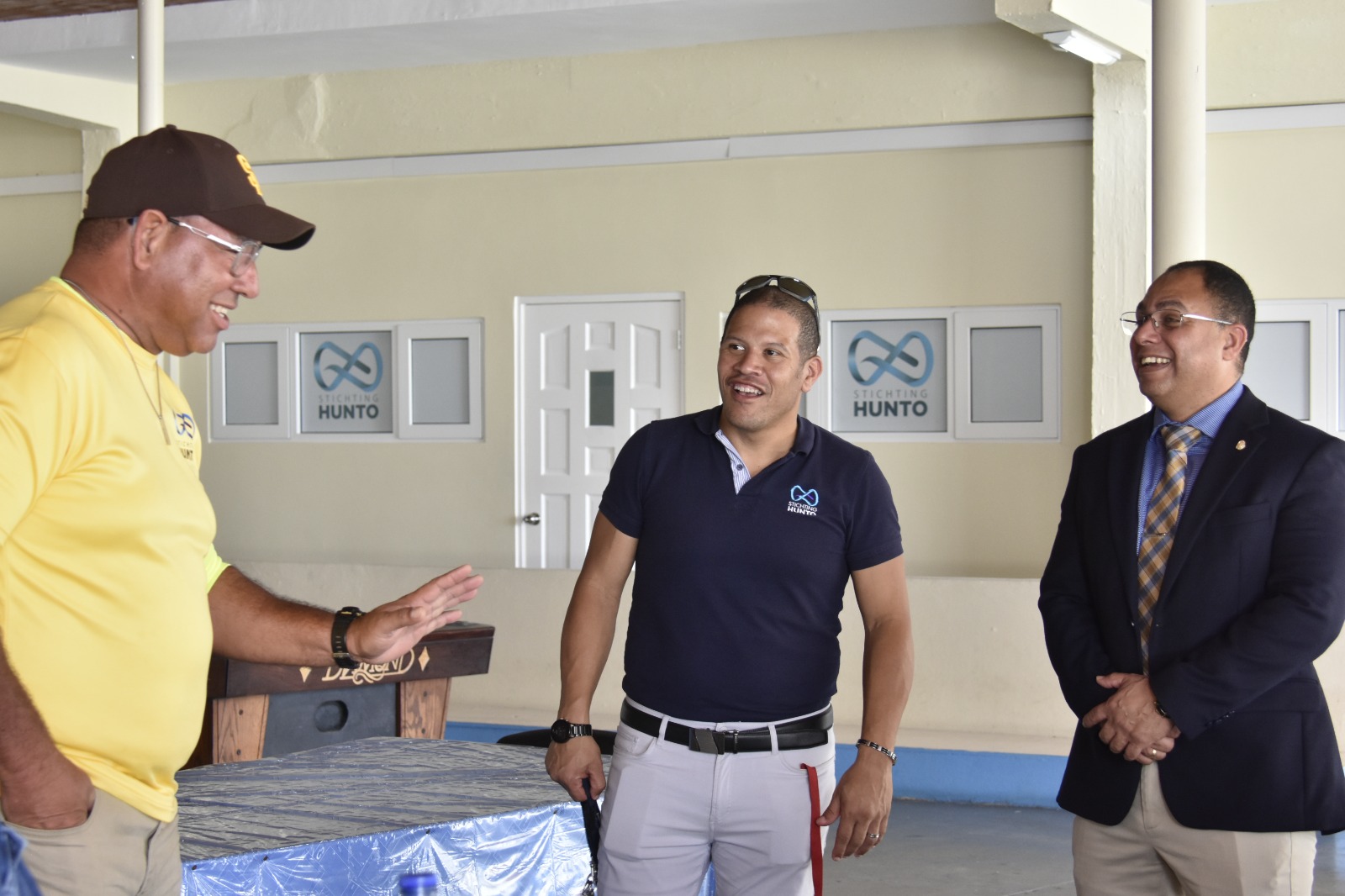
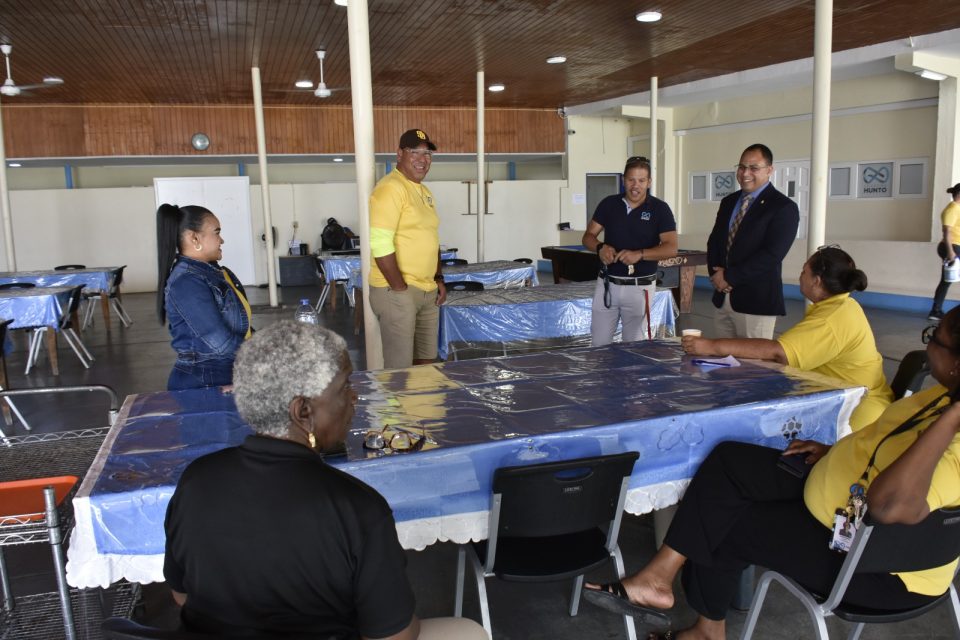
Yesterday, Eduard Pieters visited Stichting Hunto to gain a broader perspective on basic mental healthcare (GGZ). He expressed his gratitude to the foundation and its board for opening their doors and sharing transparent information. The reality presented was both impressive and confronting.
-
Psychosocial Care: In Dakota, a dynamic team of professionals provides psychosocial services to children, youth, and adults. Currently, there is practically a waiting list of less than one week for intake and two to three months to receive psychological assistance.
-
Inloophuis (Drop-in Center): A space where street addicts can enter, rest, talk, eat, and have a first human contact without prejudice.
-
Centro Colorado: A structured rehabilitation trajectory with a full program of detoxification, recovery, and social reintegration.
The system has strong components. But strong components separately do not make a strong system. “You can see the passion and love for their work; however, better cooperation between Respaldo and Stichting Hunto is needed for the benefit of patients,” Eduard elaborated. He also understood that more professionals are needed to reduce waiting lists. This contradicts the response previously given by Minister Wyatt-Ras to Parliamentarian Pieters, stating that there are no waiting lists in basic GGZ.
Ego cannot be greater than the problem
“In all visits, a pattern emerged: professionals have passion, but coordination must improve. Mental health cannot become competition between institutions. When a patient moves from basic GGZ to specialized care, or from rehabilitation to reintegration, the transition must flow as smoothly as possible for the general well-being of the patient and Aruba as a whole,” Eduard expressed.
Pieters delivers a direct message: “Respaldo and Stichting Hunto must be able to work TOGETHER, set ego aside, and build an integrated model with all necessary professionals to provide the best possible mental healthcare. This is not a question of institutional protagonism. This is a question of human lives.”
An integrated system that government must lead
The consultation round is not yet finished. There are more partners in the field whom Eduard Pieters plans to visit to form a complete overview, including entities not directly affiliated with Respaldo or Stichting Hunto.
The final goal is clear: demand that the government present an integral and structural policy for mental health and addiction — not another attractive conceptual document or pilot project. Eduard demands a plan with a timeline, measurable goals, a clear and structural budget, and mandatory coordination.
According to Eduard: “Because every case that falls through deficiencies between our systems, every street addict who does not receive follow-up care, and every person who passes away due to structural gaps is one too many.”
“Mental health is not statistics. It is our children, our families, our community. Aruba cannot afford fragmentation or institutional division.” Eduard Pieters will continue conducting consultations to build a solid foundation of knowledge and then demand political action.
The moment to unite is now, because every day we wait, the problem continues to grow. And mental health is not an issue that can wait any longer.