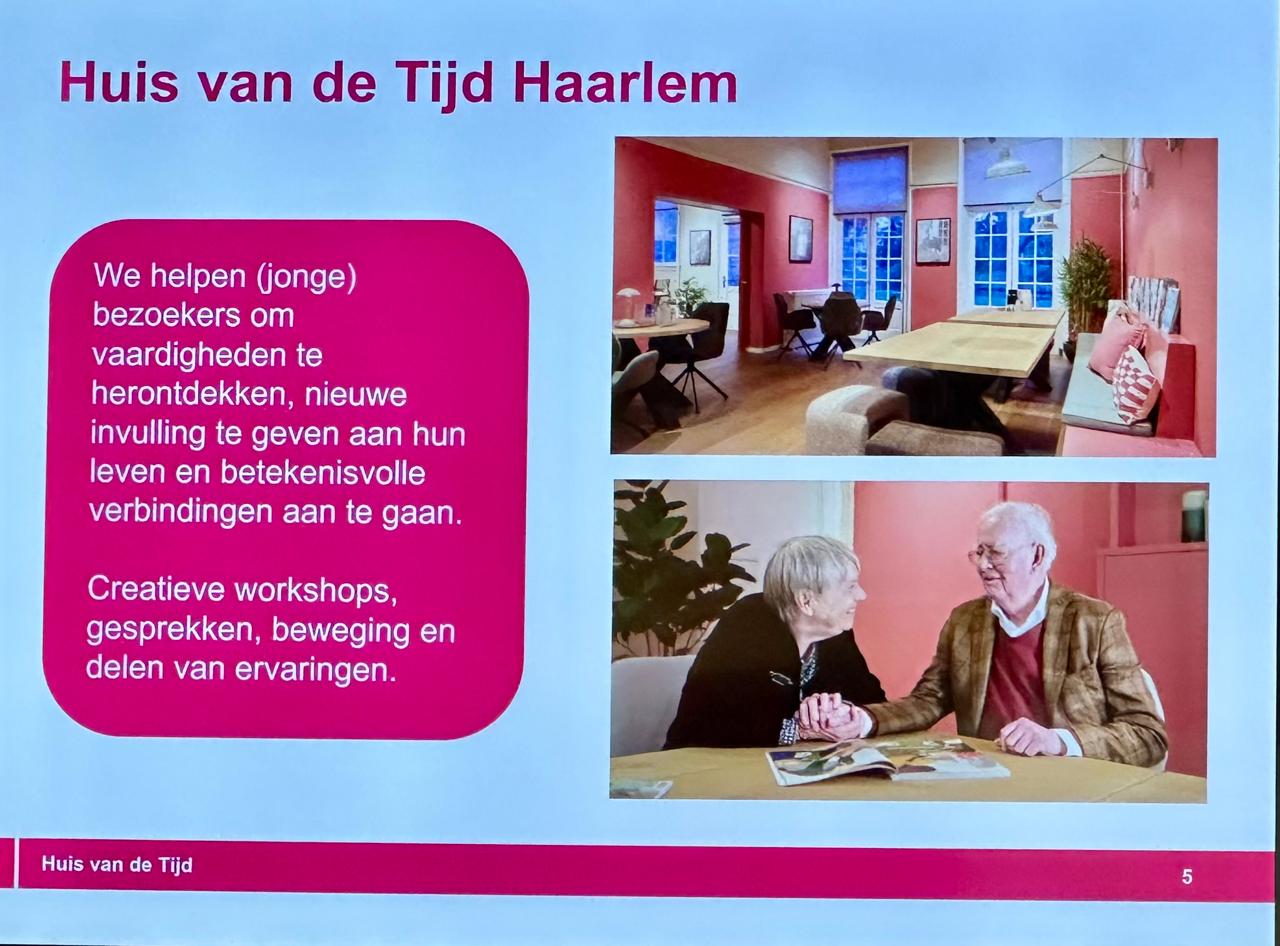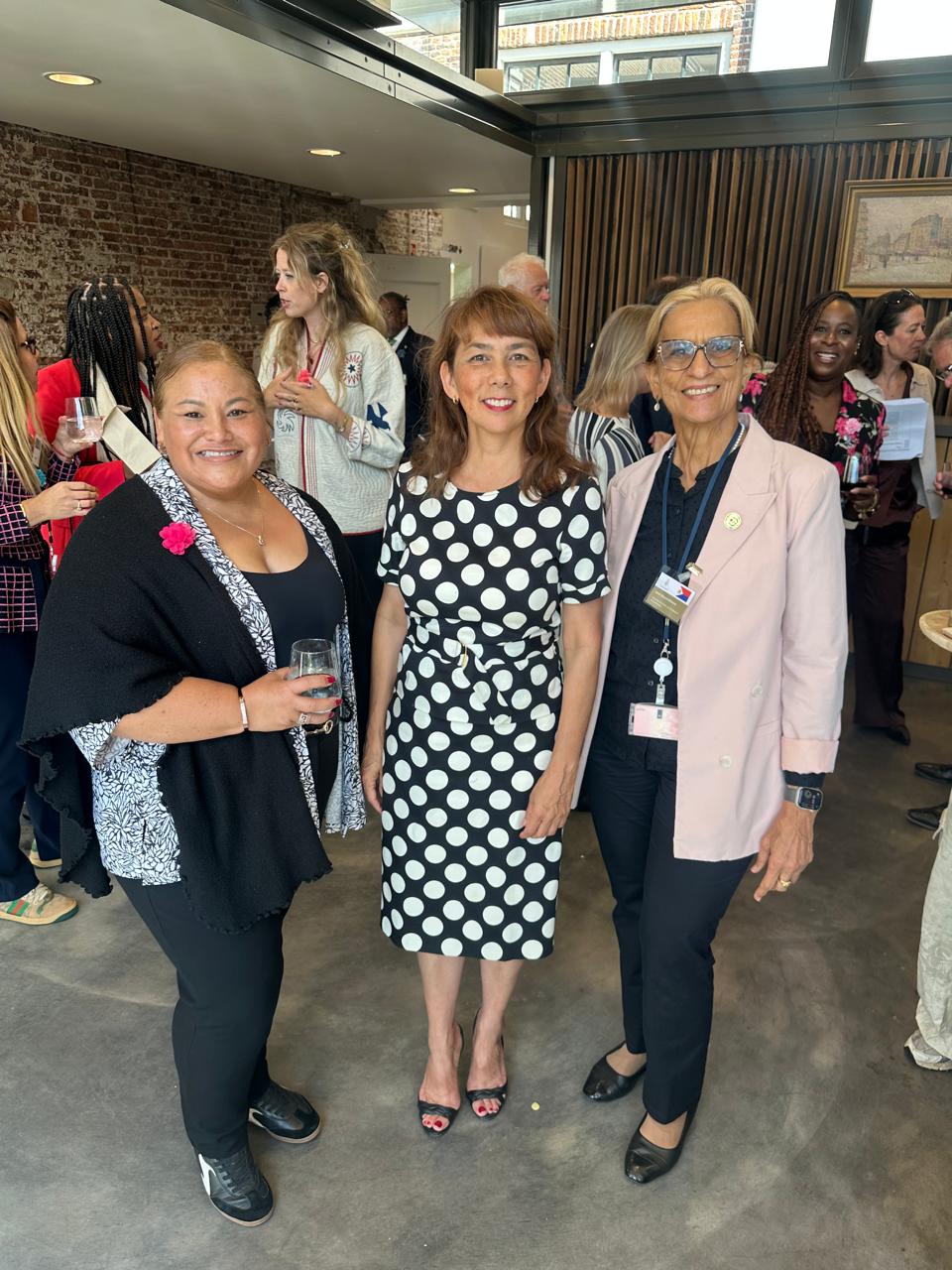
As part of the intensive agenda of the Interparliamentary Kingdom Consultation (IPKO) in the Netherlands, our delegations conducted a highly inspiring working visit to the De Vijfhoek neighborhood in Haarlem. This visit focused on the innovative project ‘De Buurt als Ecosysteem’ (The Neighborhood as an Ecosystem), an initiative that changes the traditional view on elderly care by utilizing the strength and unity of the neighborhood itself and local organizations.
Our delegations were received at Haarlem’s city hall by the alderman (wethouder) of Health & Welfare, Ms. Diana van Loenen. After a historical introduction of the neighborhood, we walked through the area in different groups to meet the neighborhood residents face-to-face and learn about the successful programs firsthand.
Among the initiatives that stood out were projects such as ‘Fit in de Vijfhoek’ (structured outdoor sports for older adults twice a week), ‘Uurtje van het buurtje’ (a weekly gathering to combat loneliness), and free monthly health checks by neighborhood nurses.
A concept that drew a lot of attention is the ‘Voorzorgcirkels’ (precaution circles), where small groups of neighbors/residents voluntarily lend each other a hand with everyday tasks, creating a social safety net without having to rely immediately on professional care.
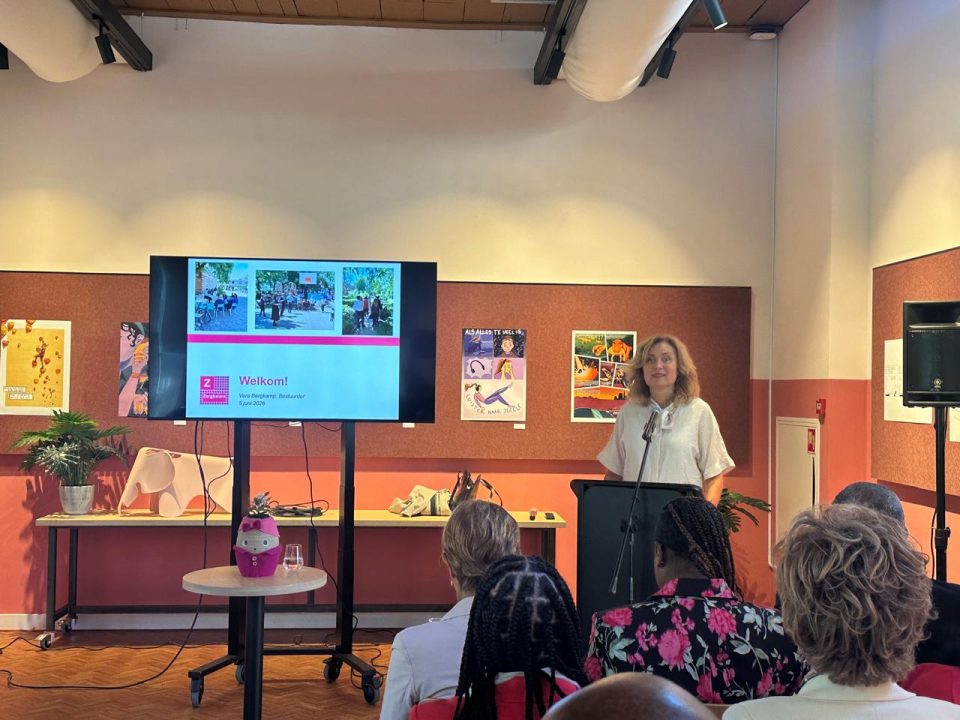
A humane approach to dementia After the tour, the delegation was received at the Museum van de Geest (Museum of the Mind), in the presence of the President of the Senate (Eerste Kamer), Ms. Mei Li Vos. There, Ms. Vera Bergkamp (head of Zorgbalans) explained how they structurally want to transform neighborhoods into self-sufficient communities where neighbors, volunteers, business owners, and care professionals work together.
A very profound moment of the visit was the presentation by Prof. Dr. Anne-Mei The, an expert in long-term care and dementia. She explained the concept of ‘Sociale Benadering Dementie’ (the Social Approach to Dementia), arguing that the current system focuses too much on the medical side of the disease, forgetting the daily life, feelings, and experience of the person themselves. This structurally lowers the quality of life, which demands a complete change of perspective in the way we handle dementia in our society.
The visit concluded with a tour of the exhibition “Nieuw Oud! De kunst van het ouder worden” (New Old! The art of growing old).
Member of Parliament Drs. Shailiny Tromp-Lee shared her impression of this visit: “This visit structurally confirmed what I have always advocated for: the strength of a community lies in its unity and in the care we provide to those closest to us (it does not have to be family, it can also be your neighbor and friends) and our older adults. Seeing how a neighborhood can organize itself to combat loneliness and how we need to shift our view on dementia—focusing on the human being and not purely on the disease—are valuable lessons we must bring back to Aruba to implement in our own neighborhoods.”