

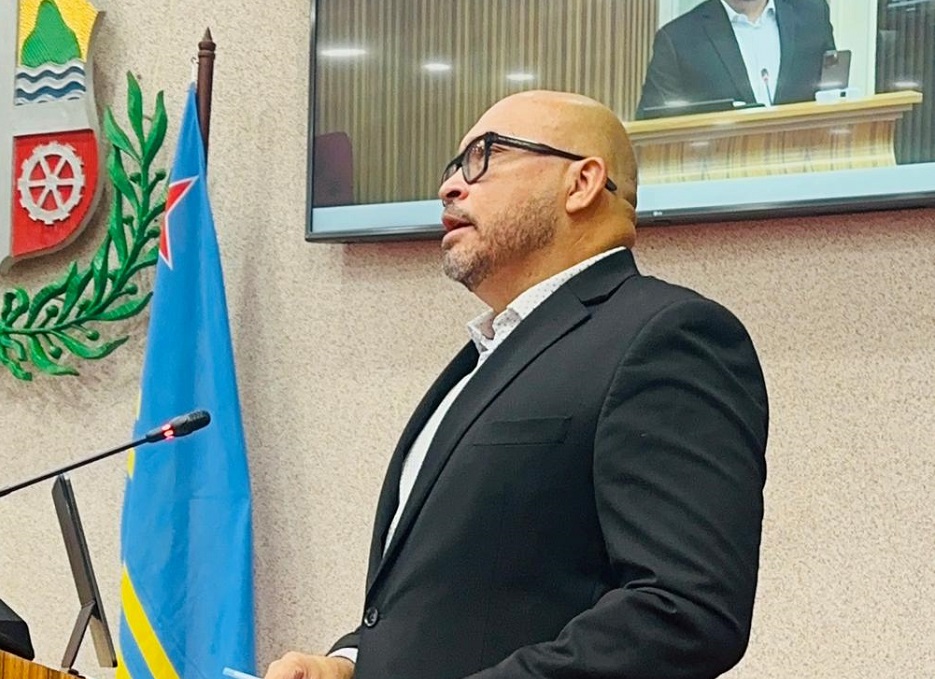
Member of Parliament Edgard Vrolijk has taken note that the Government organized a national trash cleanup day around Aruba. This is a fine step to create awareness in the community, which the parliamentarian applauds. However, Vrolijk emphasizes that the biggest challenge is the lack of a structural policy to address waste processing with a vision for the future. The aspect that stands out the most in this problem is the total lack of control and law enforcement to put a definitive end to illegal dumping of trash in the countryside and in clandestine dumps on private lands.
No Sustainable and Lasting Waste Management Plan The AVP-FUTURO Cabinet is heading toward completing two years in office; however, to this day, no concrete plan has been presented to restructure Serlimar. Parliamentary Vrolijk emphasizes that it must be explored how this state-owned company can reach a long-term solution to process waste. The temporary solution currently in place at Sero Teishi is already causing a nuisance to the residents of the area due to the strong odor. Furthermore, this situation is destroying our nature and environment on a daily basis.
Vrolijk points out that in the Netherlands itself, they moved past the waste incineration system a long time ago, which requires less space for landfills. With such a real and structural vision, Serlimar could be made profitable again and guarantee a definitive solution to Aruba’s trash problem.
Lack of Strict Enforcement and Control The Politieverordening stipulates sanctions that can reach up to 10,000 florins for those who create illegal dumps. However, the Minister of Justice, Mr. Arthur Dowers, who is also in charge of waste management, is not applying these laws properly. If high fines are given to those caught in these activities, it could put a definitive stop to the situation. But as long as authorities do not act, these wrongdoings will continue to take place.
The Myth of Private Land Everyone in Aruba, including private landowners, must follow the rules and have their permits in order. That is why we have the ROPV, which structurally regulates what kind of activities can take place in Aruba’s different zones. This gives the Minister of Infrastructure the authority to act, to halt everything that goes against the law, and to impose sanctions running into quite high fines.
If our Government does not ensure true handhaving (enforcement), we can hold many cleanup actions, but illegal dumps will continue to appear everywhere. That continues to cause damage to nature and the environment by burying all kinds of uncontrolled waste, spreading trash throughout the entire neighborhood. Even with good intentions, without enforcement we are far from home. Therefore, Vrolijk concluded by urging the Government to intensify law enforcement, so that structurally we can be on the right path.