

Lessons learned during the pandemic emphasize the need to clarify how consensus is formed and how the countries participate.
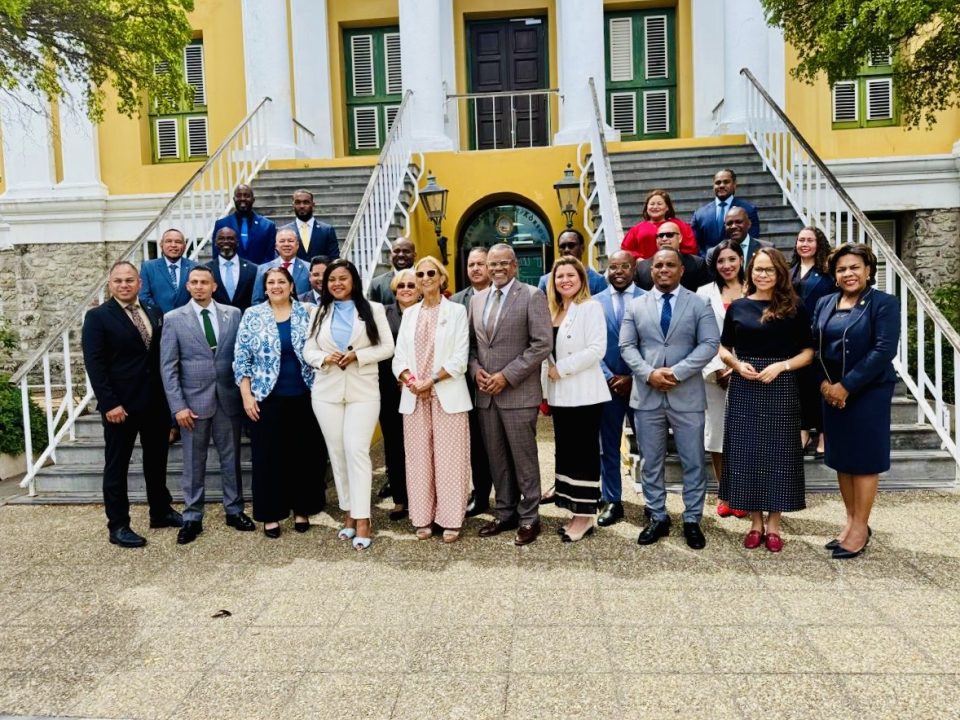
During the Tripartite meeting of the Parliaments of Aruba, Curaçao, and Sint Maarten, held on October 15 in Curaçao, Member of Parliament Shailiny Tromp-Lee addressed the issue of Kingdom laws and the process of reaching a Kingdom consensus law (consensusrijkswet or consensus-RW).
Lessons from the pandemic
Tromp-Lee called attention to the experience during the pandemic, when the need for financial aid was tied to conditions that the countries had to accept. This experience raised questions regarding the actual room the countries have to deliberate and determine their positions under financial pressure.
The Member of Parliament emphasized that there must be greater clarity on what a consensusrijkswet entails and, particularly, how it is achieved:
- What process must be followed?
- How do the countries participate in the deliberations?
- And how can it be guaranteed that the process of reaching consensus is clear and transparent for all countries involved?
Failure to fulfill agreements
Tromp-Lee recalled that during IPKO, a process to address this topic was discussed and agreed upon. However, as she pointed out during the Tripartite meeting, the governments are still not complying with this agreement.
For the MP, having an agreement on paper is not enough. There needs to be a concrete process with clear steps and participation from the countries, so that the principle of equality within the Kingdom can be respected in practice.
The pandemic experience provides an additional reason to treat this matter with seriousness and to clarify the procedures, ensuring that the countries clearly understand how consensus is established and what their role is in the process.
Finally, it was agreed that the islands themselves will continue working together on a proposal to anchor this process in their own national legislation.