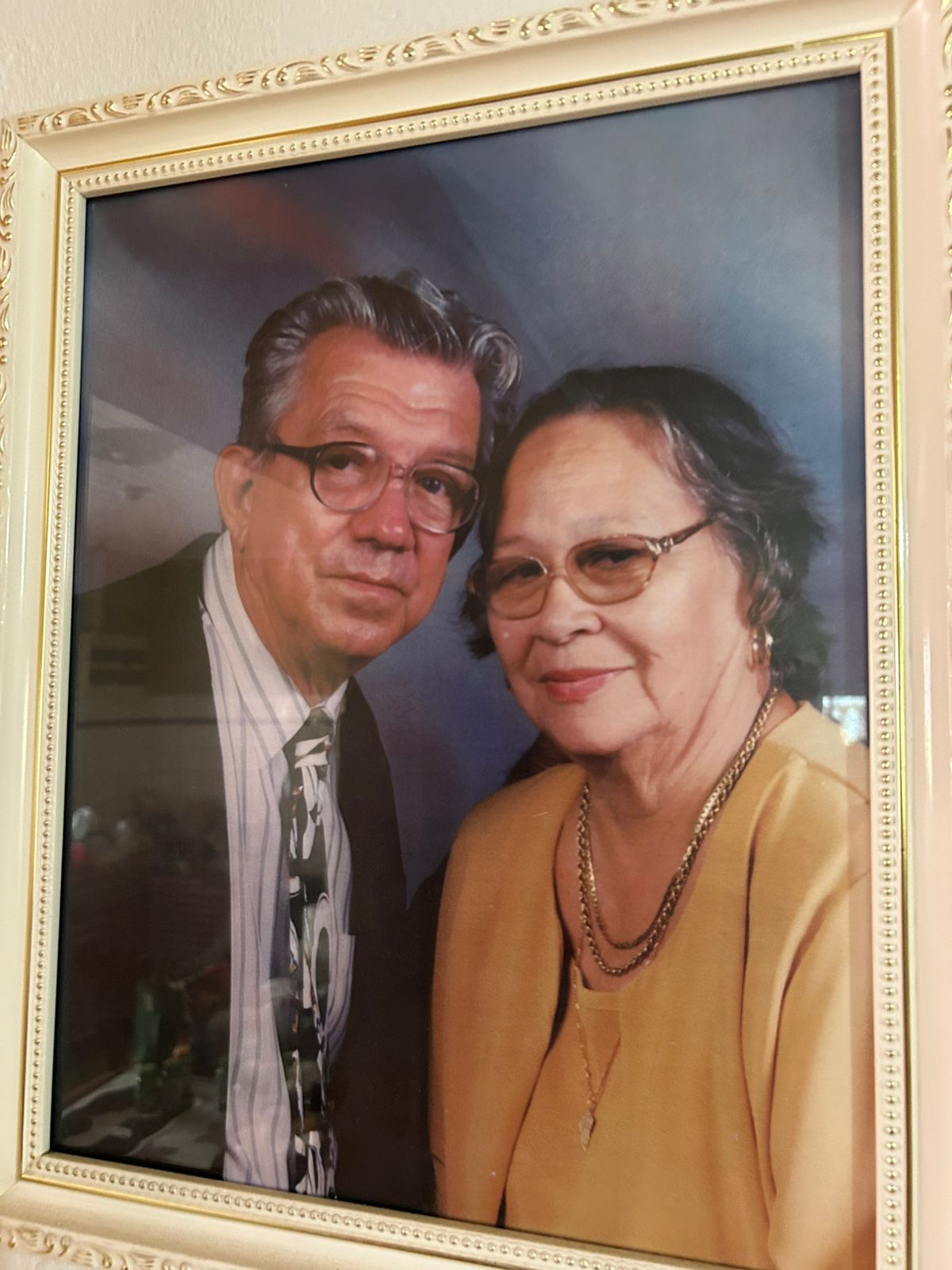
Well-known Aruban poet Ruthy Vrieswijk has expressed her dissatisfaction with the treatment her mother received at the Aruba Hospital. According to Vrieswijk, the medical care provided to her 89-year-old mother amounted to negligence, which ultimately led to her passing.
Exercising her right as a citizen, Vrieswijk filed a formal complaint against the Aruba Hospital. According Vrieswijk, after more than three months of waiting, the complaint was finally addressed during a hearing held on Thursday, January 15, 2026. At the hearing, six representatives from the hospital were present, while on Vrieswijk side only two people were allowed to enter the room and a third person was required to wait outside,a situation she described as inhumane.
Vrieswijk shared that her primary reason for making her story public is to prevent a similar situation from happening to any other elderly person. “I want our seniors to be treated with respect and dignity,” she stated.
According to Vrieswijk, her mother was neglected throughout her stay at the hospital, from the beginning until the moment of her death. He pointed out that after the complaint was filed, it took more than three months for the hearing to take place. Although she acknowledged that the hearing itself was conducted respectfully, she lamented the presence of confusion, contradictory dates, and inconsistent information, which, according to her, raised serious doubts about the transparency of the process.
Among the questions raised was the lack of clarity regarding who authorized the administration of high doses of glucose and sedative medication to her mother, despite the fact that the patient was already showing symptoms of dementia or Alzheimer disease. According to Vrieswijk, no one present was able to answer who was responsible for these medical decisions.
During the hearing, doctors D. L. were present, but doctor D.T., who was on duty during the period when her mother was hospitalized, was absent. According to Vrieswijk, this left many questions unanswered, including who was responsible for the patient daily monitoring.
Vrieswijk criticized the hospital response when her mother sugar went down drastically. He stated that the nursing staff appeared uncertain about how to act and repeatedly tried to contact a doctor without receiving an immediate response, because the doctor was occupied. According to Vrieswijk, this demonstrated a lack of teamwork and possibly a shortage of medical staff.
He also expressed her disapproval of the use of the term “delirium” that the docter describe Vrieswijk, a characterization that, according to Vrieswijk, was incorrect and did not reflect the conduct of a respectful docter.
Despite the pain, Vrieswijk said she was grateful that a hearing was held, allowing her to express her grief and experience. However, her emphasized that “in the end, no one won: I lost my mother, and the public lost trust in the hospital.”
According to Vrieswijk, after sharing her story publicly, several other citizens approached she with similar experiences regarding the treatment of elderly patients at the hospital. This, she said, has created insecurity within the community, where many elderly people despite paying AZV contributions now fear being hospitalized.
Vrieswijk also addressed the role of AZV, noting that budgetary limitations should not affect the quality of care provided to the elderly, especially considering that these seniors have paid contributions for many years. She stressed that under no circumstances whether due to staff shortages or burnout can medical negligence be justified.
“There are good doctors and there are bad doctors,” Vrieswijk stated, “but there is no excuse for neglecting a patient.”
She concluded with a strong call for respect and dignity for the elderly. “A doctor’s promise is to help, heal, and save lives without discrimination based on age, race, or condition,” she emphasized.
Finally, Vrieswijk explained that her decision to file a complaint was meant to sound the alarm and raise awareness among both the community and future medical professionals. “One should not choose the medical profession for the title, the white coat, or the money, but for a calling of the heart and love for one’s fellow human beings,” she concluded.