

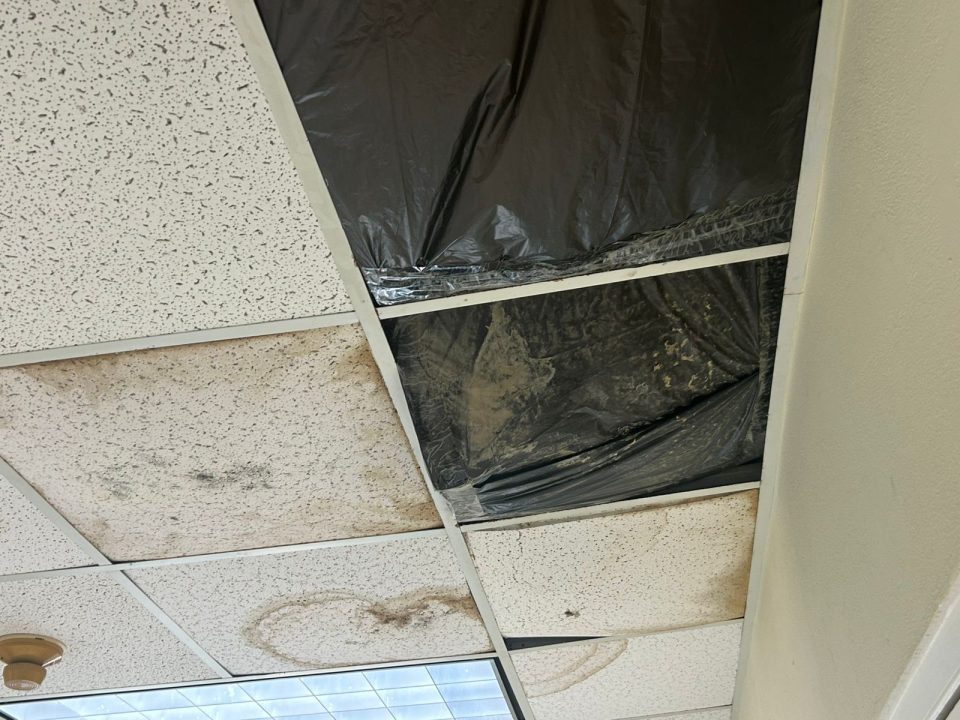
What began as a complaint regarding the poor condition of a KPA (Police) building in Santa Cruz has evolved into a profound analysis of the government’s lack of priorities. Civil servants in the security sector warn that if there is no investment in the country’s fundamental pillars, Aruba risks entering a crisis of instability that will affect every citizen.
The Three Vital Columns
According to Francel Bernardus of the SPA union, a country must be built on three fundamental pillars to remain stable and prosperous. They argue that investment must be directed, above all else, to:
- Healthcare: A healthy population is the foundation of all progress.
- Justice: A country without a strong and well-equipped justice system is not attractive for tourism, nor can it ensure the well-being of its own citizens.
- Education: Without quality education, the future of the country remains compromised.
Bernardus emphasizes that investing in these areas creates a positive “domino effect.” If these three branches are strong, the rest of the country will follow in the same direction of stability, thus avoiding chaotic situations in the future.
“Left with Nothing”: Frustration over Canceled Projects
Staff recounted how hope for a better workplace passed from one official to another without any results. The project for a new building (Codemsa) was presented by former Minister Andin Bikker, passed to former Minister Rocco Tjon, and now, under Minister Arthur Dowers, the project has been canceled due to a lack of funds, according to the official.
“We were left with nothing (aros con coco),” the civil servants expressed, referring to the empty promises. They are tired of seeing ministers take photos and speak beautifully while the reality in the office is alarming: mold on the walls, deteriorating ceilings coming down, and non-functioning air conditioning.
A Call to Government Priorities
The workers question the vision of past governments, indicating that perhaps the ideas exist, but the priorities are misplaced. To maintain Aruba as one of the safest islands in the region, the departments that guard this security cannot be sidelined.
“We have reached our breaking point. You cannot ask civil servants to work with love and professionalism when the environment itself is breaking their spirit and their health.”
The message to the government is clear: civil servants will no longer accept promises for the future. They demand an “ASAP” answer and a real change where the pillars of justice, health, and education are taken seriously before the country’s deterioration becomes irreversible.