

The accumulation of unpaid medical expenses by uninsured individuals, including tourists and undocumented persons in Aruba, has become a growing and urgent concern for Aruba’s healthcare system. In a recent exchange, former members of the hospital’s Supervisory Board (Raad van Toezicht) discussed this issue, which has been escalating from 2014 up to the present day.
The situation is caused by a substantial increase in the total expenditure incurred by the hospital to treat patients who are not insured in Aruba. The figures and efforts from recent years illustrate the severity of the problem:
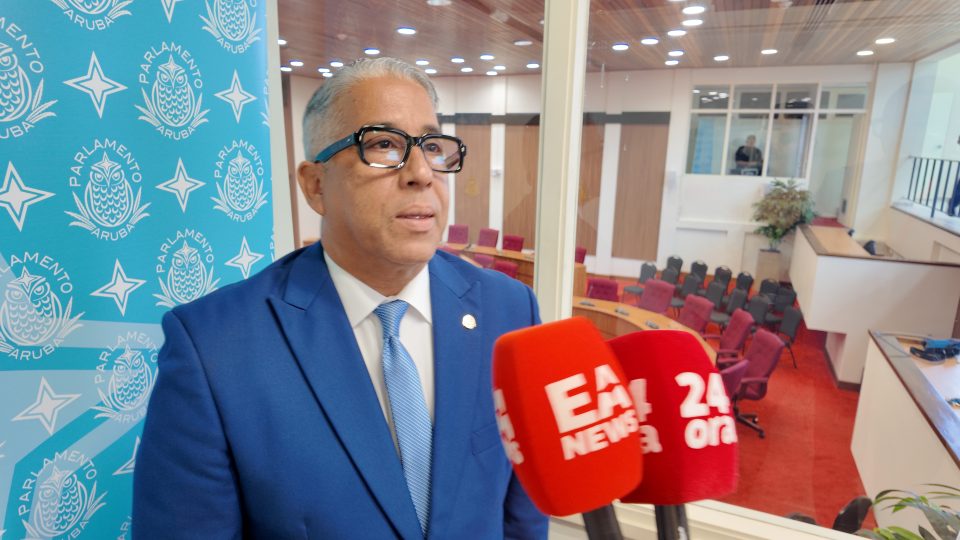
Debt evolution: The total of unpaid expenses grew continuously from 2014 to 2026, reaching the alarming figure of 27.2 million florins, as expressed by MP Gino Goeloe.
Unsuccessful collection attempts: In the past, the hospital tried using an American attorney to pursue outstanding costs from tourists who received care and left without paying. However, the legal process incurred more expenses than the efficiency or the amount recovered.
Lack of action: Over a decade ago (2015–2016), letters were sent and various ministers of that time were notified to find a solution to this situation, but nothing definitive was implemented to curb the growth of the debt.
The healthcare sector faces a structural dilemma that puts pressure on the country’s resources:
Humanitarian obligation and international treaties: Aruba is bound by United Nations treaties (signed by the Kingdom of the Netherlands) that obligate the country to provide emergency medical care to anyone who arrives at the clinic, ImSan, or the hospital. However, where does that leave the rights of all paying citizens? A person—whether a tourist experiencing a heart attack or an undocumented person—cannot be turned away or left without care at the hospital doors due to signed treaties. But where is the right of all insured individuals who pay their share and fulfill their duties not to bear the cost of others’ irresponsibility or illegal acts? Have Human Rights organizations been notified? Has a plan been drafted regarding this injustice and abuse?
The burden on the public: On the other hand, this uncovered expense is carried by the people of Aruba. The crucial question remains how to balance basic human rights with the protection of the country’s resources, preventing abuse where outsiders make use of the system without contributing to it.
According to MP Gino Goeloe, to curb the continuous growth of this debt, meetings are ongoing between key sector stakeholders and the highest governmental levels:
Participants: The Supervisory Board (Raad van Toezicht) and the Executive Board (Raad van Bestuur) of the hospital are actively meeting with the Minister of Health, the Minister of Finance, and the Prime Minister.
Main objective: To seek a legal framework or a new system that guarantees humanitarian care without forcing the healthcare system and the people of Aruba to continue bearing this financial burden without a fixed collection or compensation mechanism.