

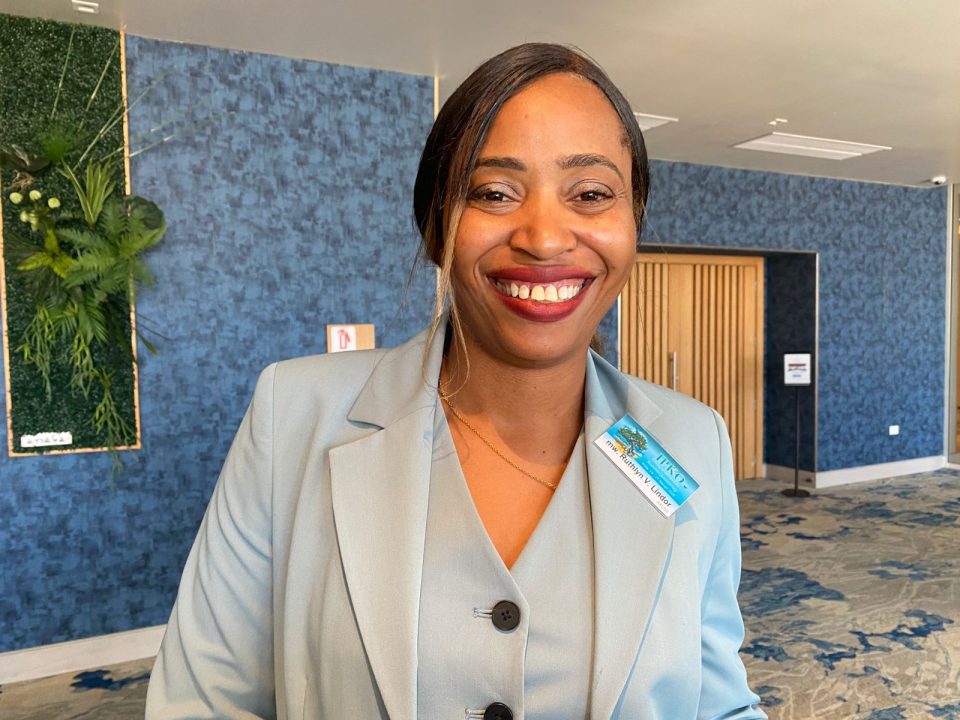
The leader of the FUTURO faction, Ruthline Lindor, participated in the Interparliamentary Kingdom Consultation (IPKO) and emphasized the mutual desire to strengthen the union between the Caribbean islands and the Netherlands. According to the MP, the willingness to cooperate is evident at a strategic level, but the main challenge lies in translating these intentions into operational action and tangible results.
Lindor noted that during the meetings, opportunities were explored for working together on specific issues that could benefit all four countries in the Kingdom of the Netherlands. Among these, one aspect that stood out positively, according to Lindor, was the presentation by Aruba’s Crisis Management Office (CMO).
According to the FUTURO faction leader, Aruba can be proud of its CMO, which was presented as a regional model. “There is often criticism that the CMO spends a lot of money without results, but when a crisis occurs, it becomes clear that there is a professional vision and structure,” Lindor stated. Delegations from other countries, she said, were impressed by the variety of tools and the level of preparation Aruba has for mitigating crises.
Lindor stressed that the CMO’s role is not limited to Aruba alone, but that it regularly shares its experience and knowledge with other countries in the region. For FUTURO, this demonstrates that Aruba can actively contribute to institutional strengthening within the Kingdom.
Elderly care as a common challenge
Another relevant topic on the agenda was the situation of the elderly within the Kingdom. According to Lindor, the growing elderly population is a challenge not only for Aruba but for all countries in the Kingdom. Since 10-10-10, it has been warned that pressure on the care system would increase, but the MP noted that the lack of structural action has caused the problem to grow faster than anticipated.
“The care of our elderly is a serious concern,” Lindor expressed, adding that IPKO seeks joint solutions to address this challenge. Follow-up tripartite meetings will focus on regional cooperation, particularly between islands that are geographically closer, to share capacity and resources in the care sector.
Among the options mentioned are investments in professional training to create more qualified personnel for care homes. According to Lindor, knowledge exchange and joint training programs can help mitigate the shortage of qualified staff.
From words to implementation
The FUTURO leader emphasized that agreements and declarations resulting from IPKO should not remain on paper. “We must operationalize what we are discussing,” she stated.
She also acknowledged that the presence of new governments in all four countries has created a period of political reorientation, during which trust and coordination must be rebuilt. For Lindor, the decisive next step is to convert strategic dialogue into concrete plans that can be implemented in the short to medium term.
With this, FUTURO sends a clear message: cooperation within the Kingdom only has value if it translates into tangible results for the well-being of citizens across all countries involved