

In a country that talks about modernization, efficiency, and digitalization, the reality for many citizens of Aruba is completely different. What began as an alarm at the Department of Taxes (DIMP) in February 2026 now reveals itself as a structural pattern of poor governance, now repeating itself at the Census and Civil Registry Office.
Failing Government Services
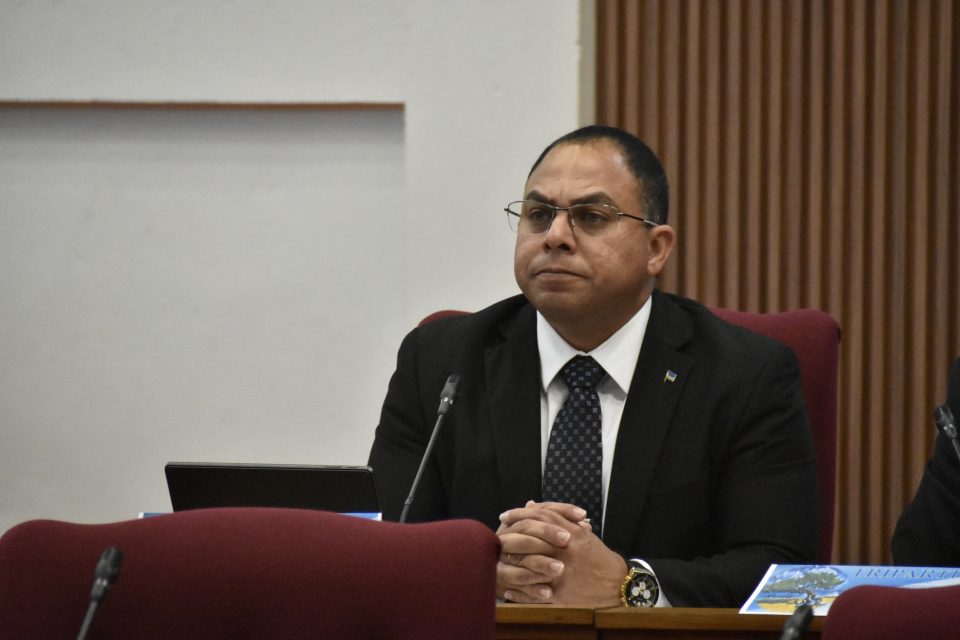
Parliamentarian Eduard Pieters of the PPA faction has highlighted the issue from early on:
“Citizens who want to comply with the law are being blocked by their own government system.”
In the case of DIMP, the situation was so absurd it became symbolic of a system that is not functioning. People who wanted to pay their car taxes could not do so because no license plate numbers were available. This placed citizens in an impossible position: they could not legally drive, had to rent or lease vehicles, and faced extra costs for a problem that was not their fault.
From DIMP to Census
“How can it be that a citizen trying to meet their fiscal obligations is blocked by their own department?” Pieters questions.
If the DIMP situation was a warning, the current situation at the Census and Civil Registry Office confirms something even more serious: this is not an isolated incident, but a system that is failing.
“Today, people who have paid their residence and work permits and want to register for basic AZV health insurance are confronted with a digital system that simply does not provide appointments. There is no access, no clarity, no solution. And worse, the consequence is direct: people are left without medical insurance,” Pieters emphasizes. This is not merely an administrative failure—it is a human and moral failure.
A Dangerous Pattern Emerges
From DIMP to the Census, a dangerous pattern is emerging: citizens who want to comply are being punished, government systems fail, and responsibility is not transparent.
“The government talks about digitalization, but the reality is the digital system is not functioning. They talk about efficiency, but citizens face walls. They talk about service, but people are left without access. The technology to solve these problems exists; what is missing is leadership, planning, and coordination.”
At the Census and Civil Registry Office, the problem clearly shows a lack of coordination between ministries. The increase in residence permit applications has not been matched by operational capacity. The result? A collapsed system.
Citizens Are Paying the Price
And here is the most serious point: citizens who do everything right end up as victims of the system.
“Fiscal responsibility is a two-way street: citizens must pay, but the government must also provide the service,” Pieters stresses.
This situation is a direct test for Aruba’s governance—not for speeches or promises, but for concrete results. If a citizen cannot pay taxes… if a citizen cannot make an appointment to register for health insurance… the problem is not the citizen’s. The problem is the government’s.
The PPA sends a clear message: enough of normalizing inefficiency. Aruba cannot accept a system where law-abiding citizens are punished while the system that should serve them fa