Now that we live in the year 2026, a fundamental question is knocking at the door: how is it possible that, after more than a decade of delay, we still do not have a firm and effective policy on laws concerning waste regulation, environmental management, and nature protection?
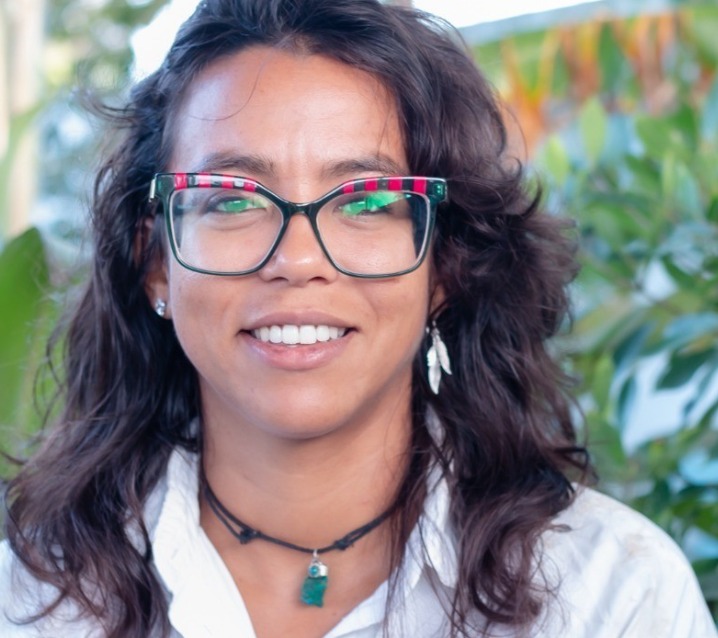
A letter was sent on June 9 to Minister Mike Eman, to which no response has been received and five weeks have passed. The main concern is the lack of progress on laws regarding environmental impact (Environmental Impact Assessment or Milieu Effect Rapportage), combined with the Rights of Nature management that former minister Ursell Arends wanted to initiate, according to ecologist Oreana Wouters.
The environmental impact assessment had been in draft form since 2018-2019, and also remained a draft under lower orders, alongside waste regulation and the laws of the National Environmental Management Ordinance (Landsverordening milieubeheer) of 2012, together with the role of environmental quality standards. This means that the quality of water, air, and soil/land must be at certain specific levels.
Despite having seen the light of day as a draft since 2012, it has never yet been discussed in Parliament, nor has it been published to see what the community thinks of these laws. Seeing how time flies and how laws remain stalled, it often becomes very difficult for projects if you do not have the backing of other environmental aspects, because the project will not have a long-term impact.
When the laws are not in place, actions regarding nature and other environmental points will not work and are actually carrying water to the sea.
In a literary comparison, this is like when you leave the faucets open. It is like mopping with the faucets open. An example is Restoring Coral Back. But if the water quality is not good, it continues to affect and put stress on the corals. That makes life very difficult for projects that precisely aim to protect corals or protect the corals in Aruba in that area, making it difficult for them to be successful, according to ecologist Oreana Wouters.