May 15: International Day of Families
Introduction May 15 was proclaimed by the United Nations as the International Day of Families; it was first celebrated in 1994 under the theme: “The fundamental role of the Family in human development.” The primary goal of this proclamation and annual celebration is to continuously and programmatically raise awareness of the vital role the family plays in the life of every person and every society worldwide.
At the level of each particular family, it illustrates the importance of the family in the development and formation of the newborn from infancy through adolescence—at home, in school, in the neighborhood, and in other socio-cultural activities. It also highlights community challenges, both local and global, and their respective impacts on the family as an entity.
Family and Society We must focus on the family-society correlation; developments—positive or negative—within any family have direct consequences for society. Consider the saying: “the youth are the future of a country.” With proper education and formation, by creating opportunities and providing good examples and guidance, we contribute to a strong, sustainable, and prosperous society for all.
Conversely, the state of a society (poverty, unemployment, crime, injustice, inequality) has repercussions on families, especially the most vulnerable. Such families may struggle to meet basic needs for food, protection, and a dignified life. Furthermore, even families with resources can be dysfunctional due to addiction, abuse, or a lack of healthy communication, impacting the well-being of its members.
International Day of Families 2026 For 2026, the United Nations has chosen the theme: “Family, Inequality, and Child Well-being.” It takes a retrospective look at demographic trends, inequality, and social exclusion, updating their impact on the development of children and youth.
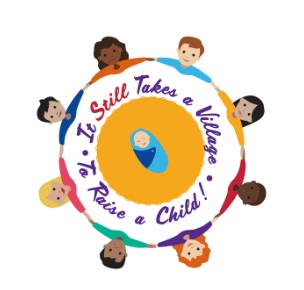
In Aruba, these trends are evident. Educators and social workers confront these issues daily. A civilized society is co-responsible for the development of its citizens, especially the vulnerable. As the saying goes, “It takes a village to raise a child.” If parents cannot fulfill their duties, the community must step in.
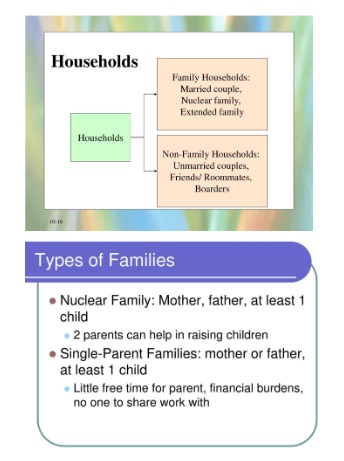
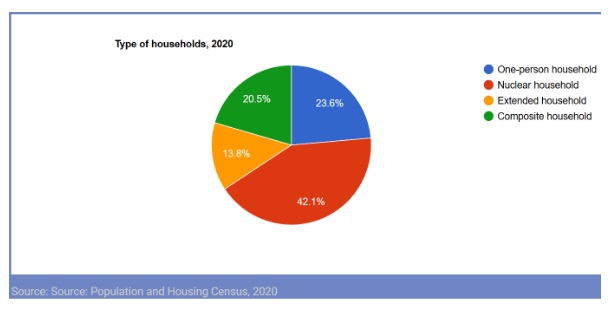
The State of Families in Aruba (2026) Using data from the Central Bureau of Statistics (CBS) Aruba, we can categorize family types: nuclear, extended, and composite families, as well as one-person households.
Nuclear families (2020: 41.1%): Consisting of parents and biological/adopted children.
Extended families (2020: 13.8%): Including grandparents, aunts/uncles, or cousins.
Composite families: These have shown an increase of 4.8% since 1991.
Data shows that divorce cases rose significantly to 11.6% in 2020 compared to 0.9% in 1960. There is also growing concern regarding dysfunctional family environments that hinder healthy development.
Conclusion and Recommendation The family is a pillar of socio-emotional support. Currently, many families in Aruba face survival challenges. Support from the Government and private sectors is indispensable. To make aid more effective, we recommend (re)installing a National Commission for the Family with broad representation to monitor family developments, coordinate aid, and act as a liaison with international organizations.