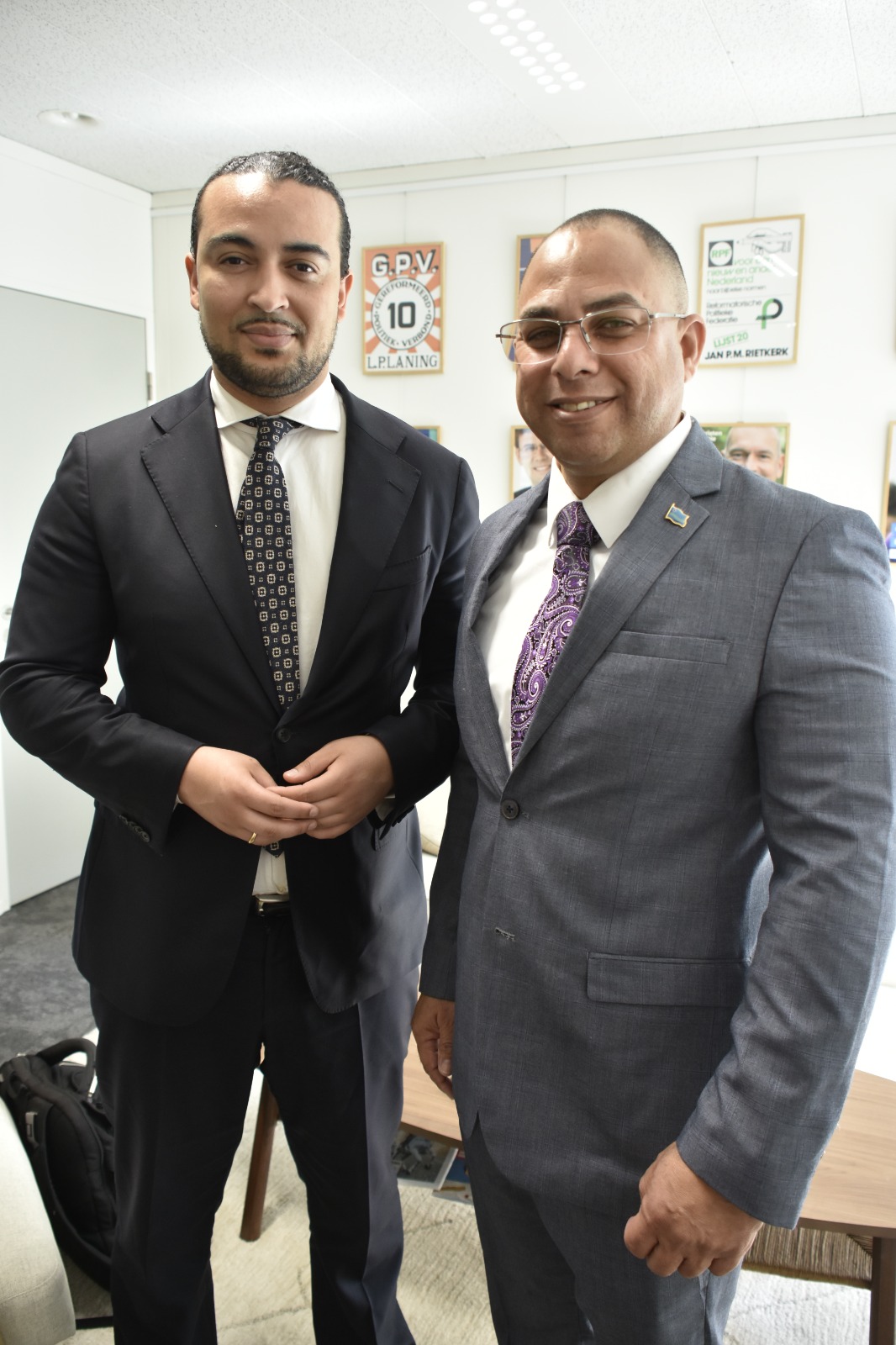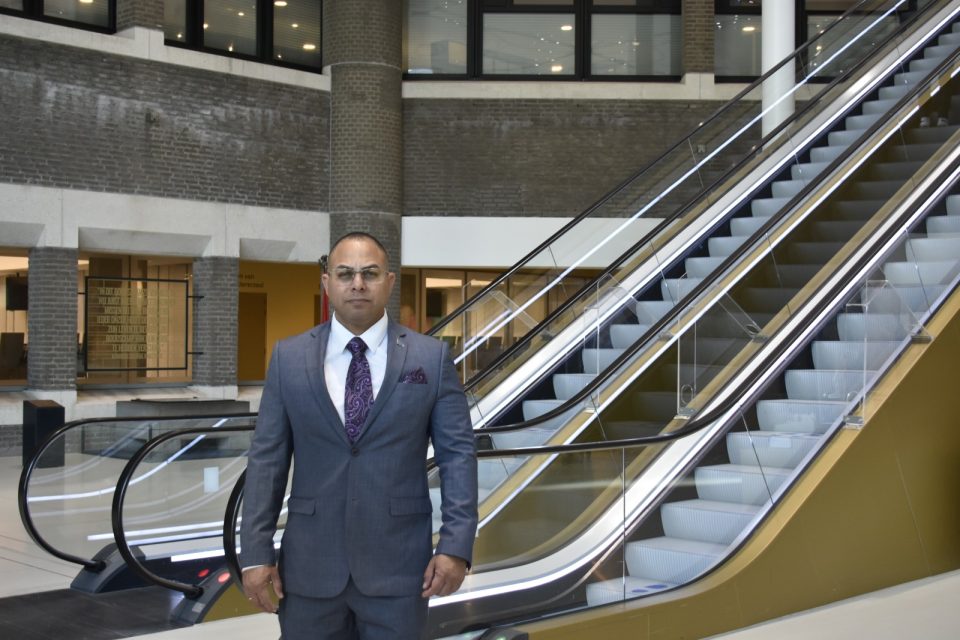
During his first day of official meetings in The Hague, Member of Parliament Eduard Pieters of the PPA faction voiced a clear and unambiguous message: Aruba does not need the HOFA Kingdom Act and will not accept the weakening of its Status Aparte. During a key meeting with Don Ceder of the ChristenUnie, PPA presented its position paper, exposing not only the political risks of HOFA but also its background: a process that, according to Pieters, has been pushed for more than 10 years by civil servants in The Hague with the sole goal of weakening Aruba’s autonomy.
HOFA: Not a coincidence, but a years-long process According to Pieters, the HOFA discussion did not start today. “For more than 10 years, there have been attempts to introduce any instrument that limits our autonomy,” he explained. After COVID, the pressure intensified. According to the PPA, the pandemic debt was used as an instrument of political pressure and manipulation. “This is not just financial supervision! This is influence over our sovereignty,” Pieters emphasized.
Shift in positions: politics without principle During the meeting, PPA also highlighted a sensitive political point: the drastic change in positions of parties in Aruba. All of Aruba knows that the AVP strongly indicated they were against the Kingdom Act, but since the formation of the government, they have flipped to being pro-Kingdom Act. Meanwhile, the MEP party was the government that signed the famous ‘administrative agreement’ (bestuurlijk akkoord) and is now against HOFA.
“Therefore, the conclusion is concerning,” Pieters said. “Politics should not be guided by convenience, but by principle.” According to PPA, this shows how external pressure and coalition dynamics distort decisions that affect the country’s future.
Aruba is no longer a financial problem One of the strongest points PPA brought forward is that Aruba is no longer a financial risk, as the debt-to-GDP ratio has dropped from 117% to 70%, the economy shows growth, and surpluses have been recorded. “If we are doing well, why insist on a Kingdom Act?” Pieters questioned. This was the central question in the dialogue with Don Ceder.
A real alternative: supervision within our own law PPA is NOT against supervision. On the contrary. “We believe in financial responsibility,” Pieters clarified. “But supervision must be anchored in our own Constitution (Staatsregeling).” The solution? Create a budget chamber (begrotingskamer) with strong but local control, ensuring transparency without losing autonomy. This gives the Netherlands security and guarantees without sacrificing Aruba’s unique position within the Kingdom.
Interest rates: an unfair deal Another crucial point was the interest on the COVID loans. Aruba pays up to 6.9%, while other countries in the Kingdom pay around 3.2%–3.4%. PPA proposed a pragmatic solution: lower the interest rate to a comparable level, or, if the 6.9% is maintained, use the difference (3.5%) to create an investment fund for Aruba.
A call for unity in a National Front One of the strongest messages from the meeting is the great need for unity. Don Ceder himself underlined the importance of Aruba presenting a united front. “We must go to The Hague not as separate parties, but as one people,” Pieters emphasized. Aruba must stand firm.