

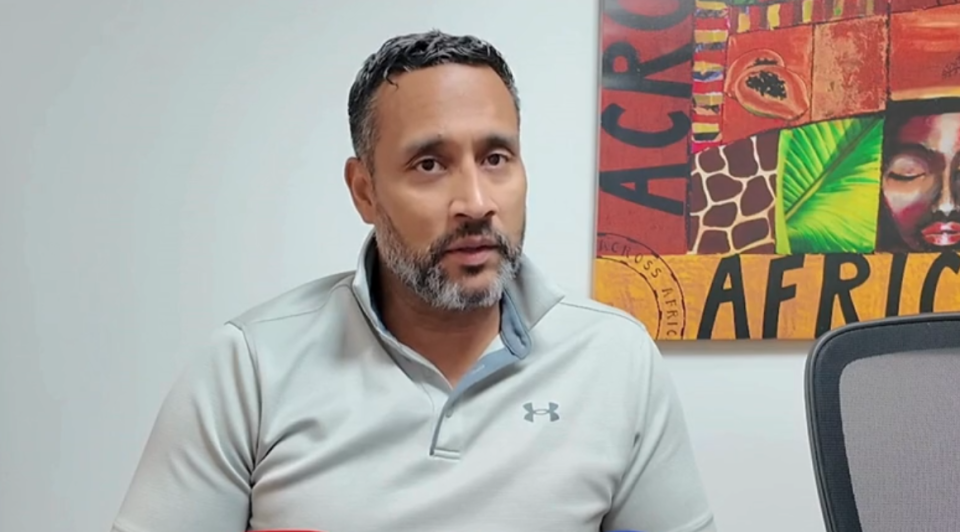
In an additional elaboration on the case against former Minister Otmar Oduber, deep concerns were highlighted regarding the motivation and manner in which judicial authorities from the Netherlands, including the Anti-Corruption Team (Team Bestrijding Corruption – TBO), judges, prosecutors, and investigators, handle criminal investigations in Aruba and the Dutch Caribbean.
A ‘predetermined goal’ and the example of the case against Otmar
According to the expressed viewpoint, judicial personnel sent from the Netherlands arrive with a fixed perception or objective: the notion that there is a ‘gang of thieves’ (roversbende) on the islands and that their mission is to catch politicians and citizens. This posture leads the institutions to seek confirmation of an existing suspicion rather than conducting a neutral investigation.
Otmar’s case is brought forward as a clear example of this dynamic:
- The most severe initial allegations were dropped: The investigation began with massive suspicions of a criminal organization, money laundering of millions of florins in offshore accounts, and illegal land deals. However, after two years of intensive investigation, no evidence was found to support these initial charges brought by the Public Prosecutor’s Office (OM).
- Shift in course to find ‘something else’: Instead of closing the case and acknowledging that the main suspicions remained unproven, the authorities shifted the focus of the investigation, searching for alternative angles and minor details to still prosecute the individual.
A point emphasized is that the funding structure for organizations such as the TBO comes from a special fund in the Netherlands allocated exclusively for these cases. This creates a pressure where investigators cannot simply state “we found nothing and are halting the prosecution,” as they must justify their presence and the resources invested.
The perception that every politician or citizen is involved in something illegal leads to a standard where any fault is targeted for prosecution, regardless of its magnitude.
The consequence for Aruba’s political future
The analysis concludes that if these strict criteria are applied—where any administrative error, such as late tax filing (BBO or Income Tax), is used to criminally prosecute an individual—the standard becomes unrealistic for any citizen or politician. Demanding that a person must be completely ‘perfect’ in every aspect of their life to avoid prosecution will leave Aruba without skilled political leaders to serve the country. Yet, at the same time, the Netherlands fails to look at its own backyard.