There are dates we cannot forget. August 11, 1977, is one of them. This is the night Aruba went completely flat, literally into darkness, and proved to the entire world that this people does not sell its freedom!
The path to this night began a year earlier. On March 25, 1977, Aruba spoke clearly: 83% of the people voted in favor of Status Aparte in a referendum. On June 17, 1977, the MEP party, under the leadership of Gilberto François “Betico” Croes, won the election capturing 5 of the 8 seats. This represents a total of 63% of the electoral mandate. A clear mandate from the people. However, the Antillean formateur, Boy Rozendal, maneuvered to leave MEP completely out of the central government. PPA, in the minority, betrayed the people’s wish and joined Curaçao. The voice of a people was thus ignored.
Nevertheless, the people did not remain silent. United unions, commerce, and the people joined forces: this decision was unacceptable. Telegrams were sent to Holland, the United Nations, and other international bodies. None of these generated any reaction. Silence. Betico clearly warned his people: if justice does not come, actions will escalate. This is exactly what happened.
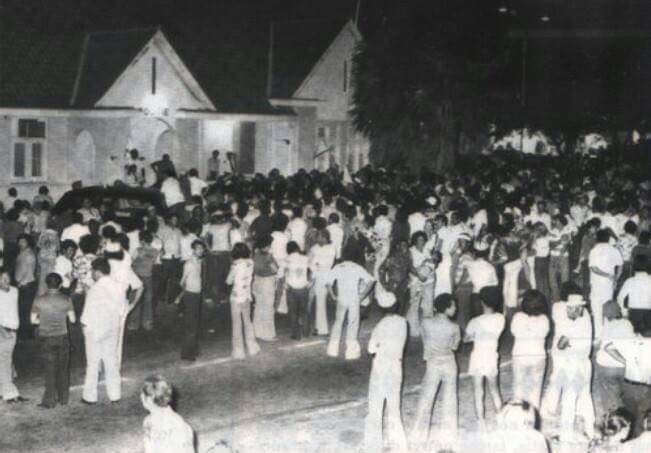
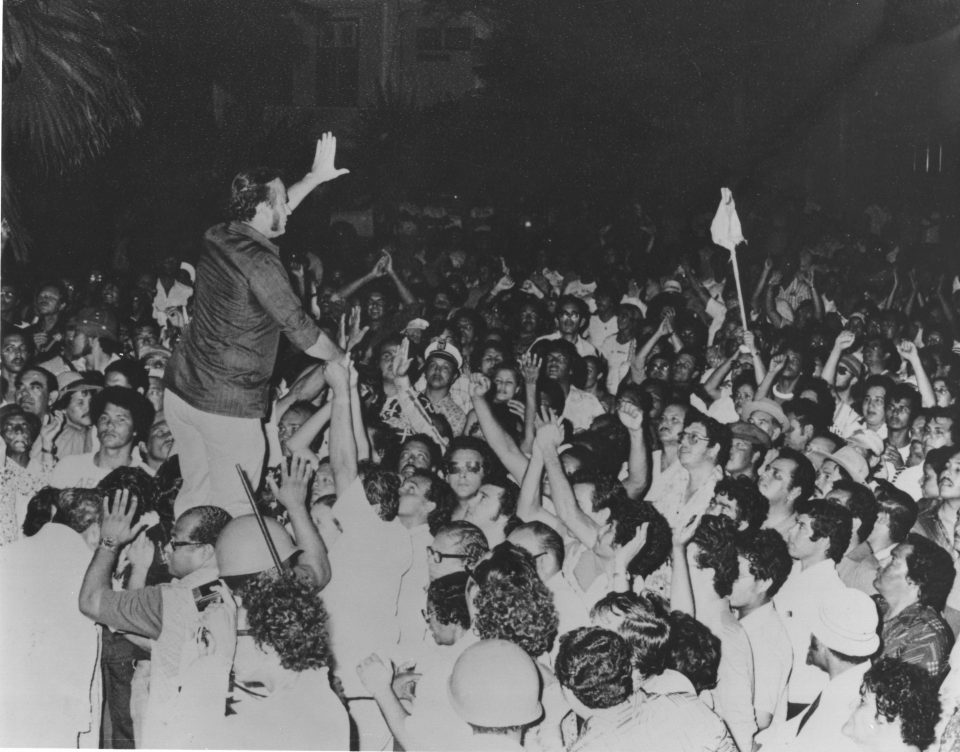
On August 10, 1977, the unions proclaimed a general strike. WEB (water and power company) reported that it would cut off electricity. But on that same day, two union leaders, Mr. Chinto Geerman of IOWUA and Mr. Juan Yarzagaray, were detained by the police for distributing a pamphlet warning that peace and tranquility would be suspended. The people took to the streets. That very night, under Betico’s leadership, a furious crowd marched to the police station in Playa to demand their freedom. Stones were thrown.
Betico remained in control strategically, moving the crowd afterward in front of the house of Chief Prosecutor (Hoofd Officier van Justitie) Arps for a marathon meeting. All of this without result.
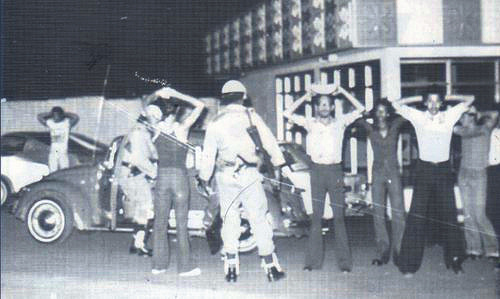
August 11, 1977. WEB went down. Aruba went flat into total darkness. Without communication via telex. ALM planes could not land. Amidst this darkness, the Central Government, coordinating with PPA, had an ALM flight land without lights at the Aruba airport. This plane was full of the Riot Squad (Riot Comando) from Curaçao under the guidance of Castillejo Cova. They marched through the streets of Oranjestad against our people.
The Riot Squad fired live ammunition from carbines at the people. They shot at Betico’s red jeep, where a bullet pierced Gos Oduber’s leg. They fired at Domi Tromp’s Volkswagen with two other friends inside, all of whom miraculously escaped. They entered the house of Panchico and Mimita in Santa Cruz, Betico’s parents’ house, looking for something they did not find. Yes, they betrayed our humble and disarmed people. But the people did not run; they stood firm to defend their freedom.
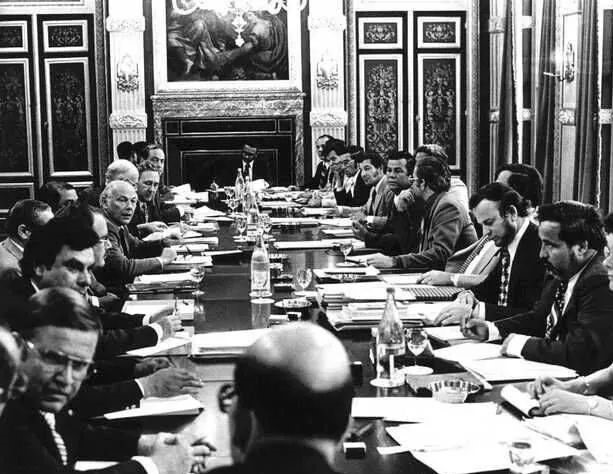
These events opened the ears of Holland. Nel Oduber and Roland Lacle traveled immediately to The Hague. On August 19, Prime Minister Joop den Uyl sent an official telegram: Holland is willing to receive an Aruba delegation to talk about its state future. Betico led a broad delegation of unions, commerce, and united people to The Hague on September 3 and 4, 1977. The path to Status Aparte was open.
Four and a half years later, on March 12, 1983, at the great Round Table Conference, Aruba achieved its Status Aparte. Betico himself named the struggle one of blood, sweat, and tears, but always safeguarding the lives of our fellow citizens.
49 years later, Parliamentarian Endy Croes thanks, on behalf of MEP, every brave person who stood firm during the “Augustus Scur” of 1977—the people, the unions, the militants—thank you. Thanks to your struggle, courage, and bravery, we can speak of the single truth of this people: Aruba’s autonomy is not a gift and it is not for sale. Our autonomy is a right conquered through real sacrifice. We must keep history alive and pass it on from generation to generation, so that our children understand what they have and why they must protect it.