“We cannot let vocational education become Aruba’s forgotten child”
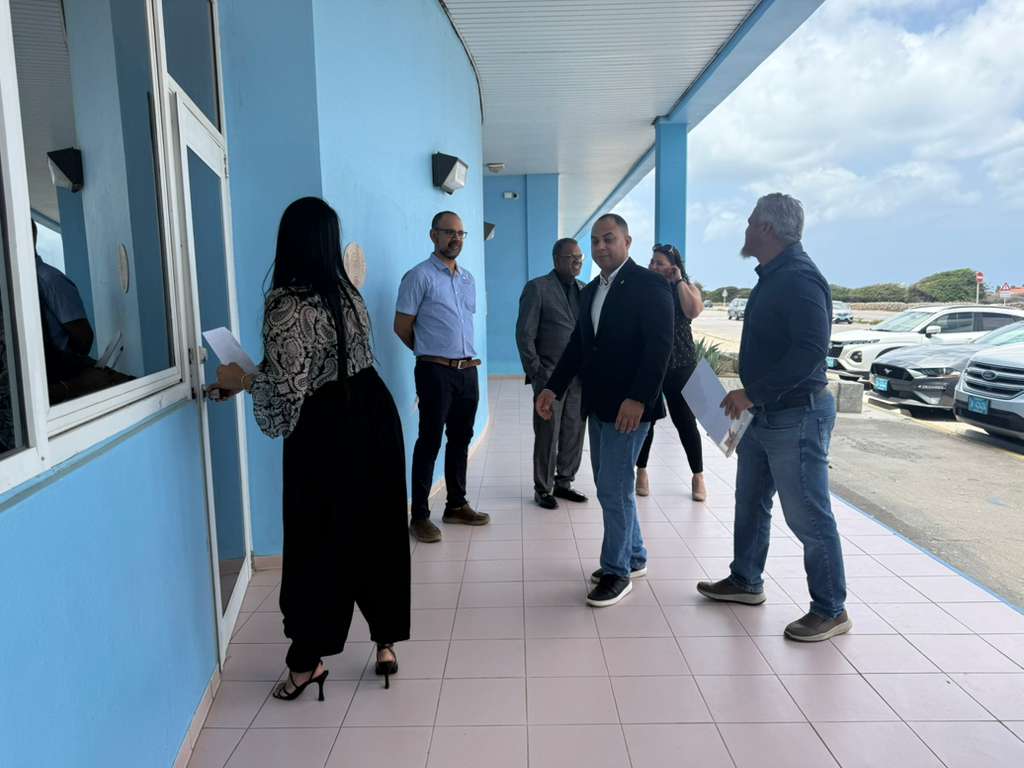
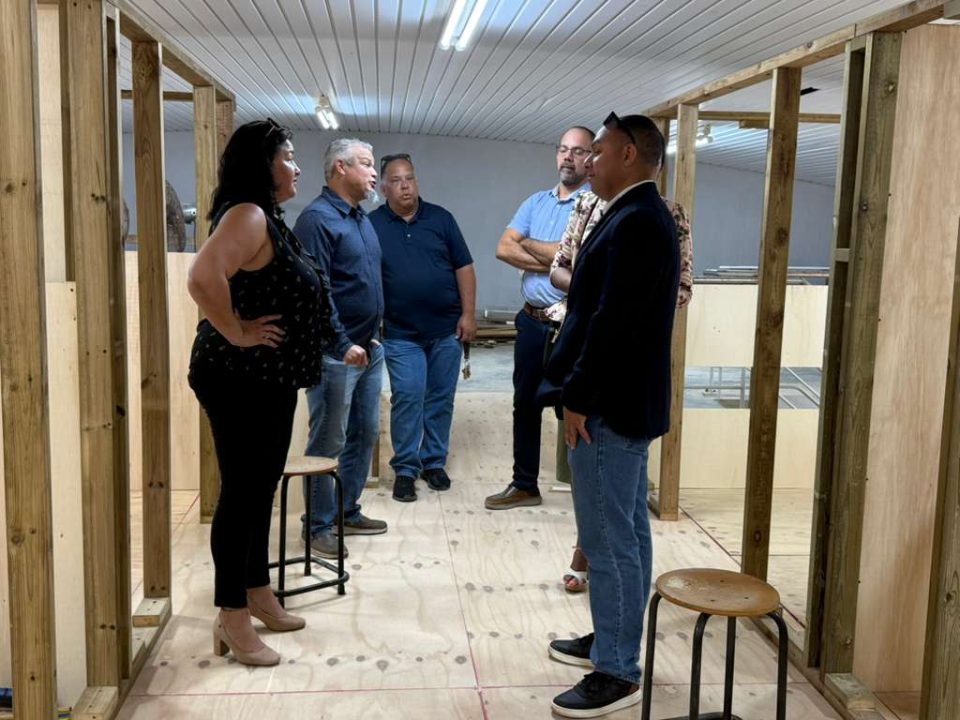
During a working visit to EPB Hato, Member of Parliament Eduard Pieters of the PPA faction left a clear and powerful message: Aruba cannot continue to speak of economic development and sustainable growth while the practical foundation of our education system is left behind.
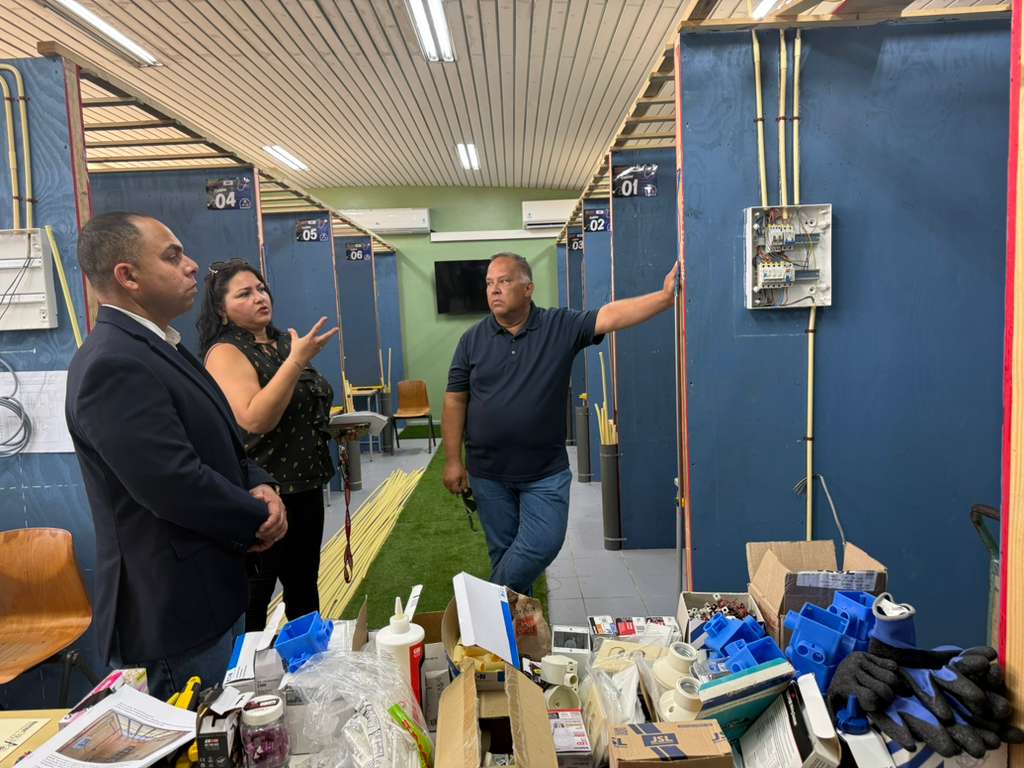
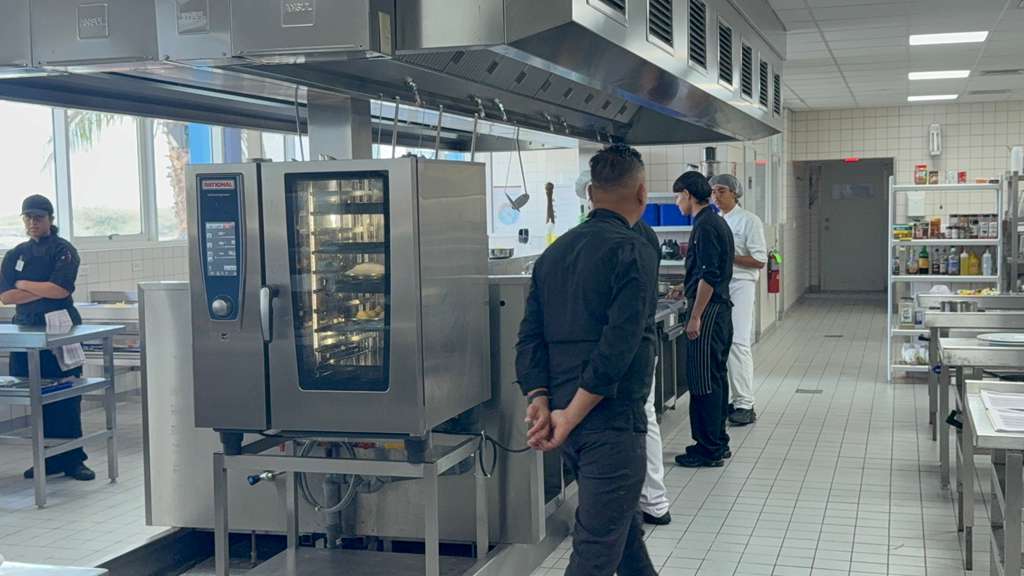
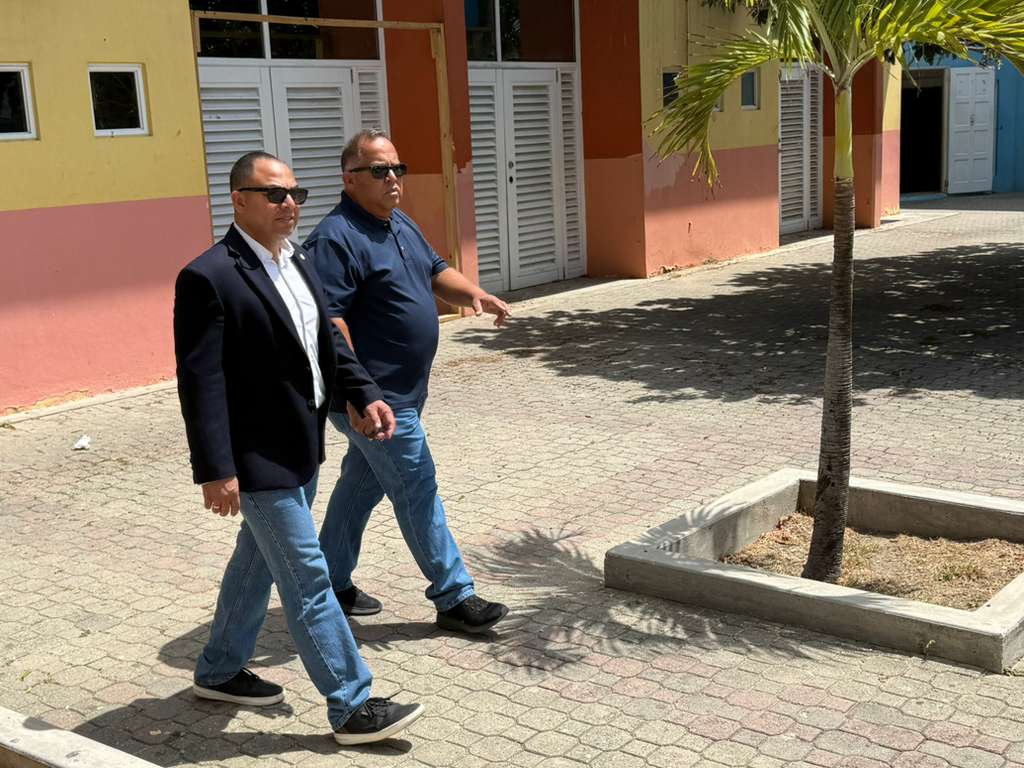
According to Pieters, the visit was not only to witness the Chef-training (Kok-opleiding) exams but to see with his own eyes the reality that EPB teachers and students face every day. “When you walk through the school and see the conditions the teachers work in, you understand that there is a problem much larger than just maintenance here and there,” he declared.
Teachers perform miracles with few resources Pieters highlighted that despite the difficult conditions, the school continues to produce results thanks to the extraordinary commitment of the teachers. “We are talking about people who work with love, determination, and energy, while performing miracles with limited resources,” he said.
However, according to PPA, the dedication of teachers cannot continue to be used as an excuse for the government to avoid its responsibility. The EPB building is over 30 years old and, according to Pieters, the deterioration has passed the point of “patches” and temporary solutions. The roofs are full of holes, and the infrastructure results in the school facing very high electricity costs.
“The time for reaction and investigation has already passed. Now is the time to invest seriously before something major happens and everyone starts looking for someone to blame,” Pieters warned.
Vocational education is not second-class One of Pieters’ strongest criticisms was aimed at what he considers the structural abandonment of vocational education in Aruba. According to Pieters, the government continues to treat the sector like general secondary education, even though EPB and EPI train the vast majority of professionals that Aruba’s tourism economy depends on—requiring more investment compared to general secondary education like MAVO or HAVO/VWO.
“We cannot continue to view vocational education as the forgotten child of our educational system while Aruba is screaming for chefs, technicians, operators, artisans, and qualified practical personnel,” he emphasized.
Pieters also stressed the lack of movement regarding the Vocational Education Law, something PPA considers essential to modernize the system and give EPB and EPI the structure they need to function as modern vocational institutions.
Investing in EPB is investing in Aruba’s future During his visit, PPA also noted the internal efforts made by management and teachers to generate income and support certain renovations. But for Pieters, it is very clear that the type of large-scale investment EPB needs cannot fall on the school or the foundation alone.
“If the government speaks of a surplus, then the people have the right to see where the priorities lie. And practical education must be one of them,” he declared.
According to Pieters, if the renovation costs 7 or 8 million florins, Aruba should view this not as an expense, but as an investment in human capital and the country’s sustainable future.
The final message from Pieters of the PPA faction was direct: Aruba can no longer let EPB struggle alone. The school is full of potential, with motivated teachers and young people who want to progress. But without serious investment, the system will continue to deteriorate. “We are at a point where the government must choose: continue putting ‘band-aids’ on the problem, or finally make the investment that Aruba’s future deserves,” Pieters concluded.