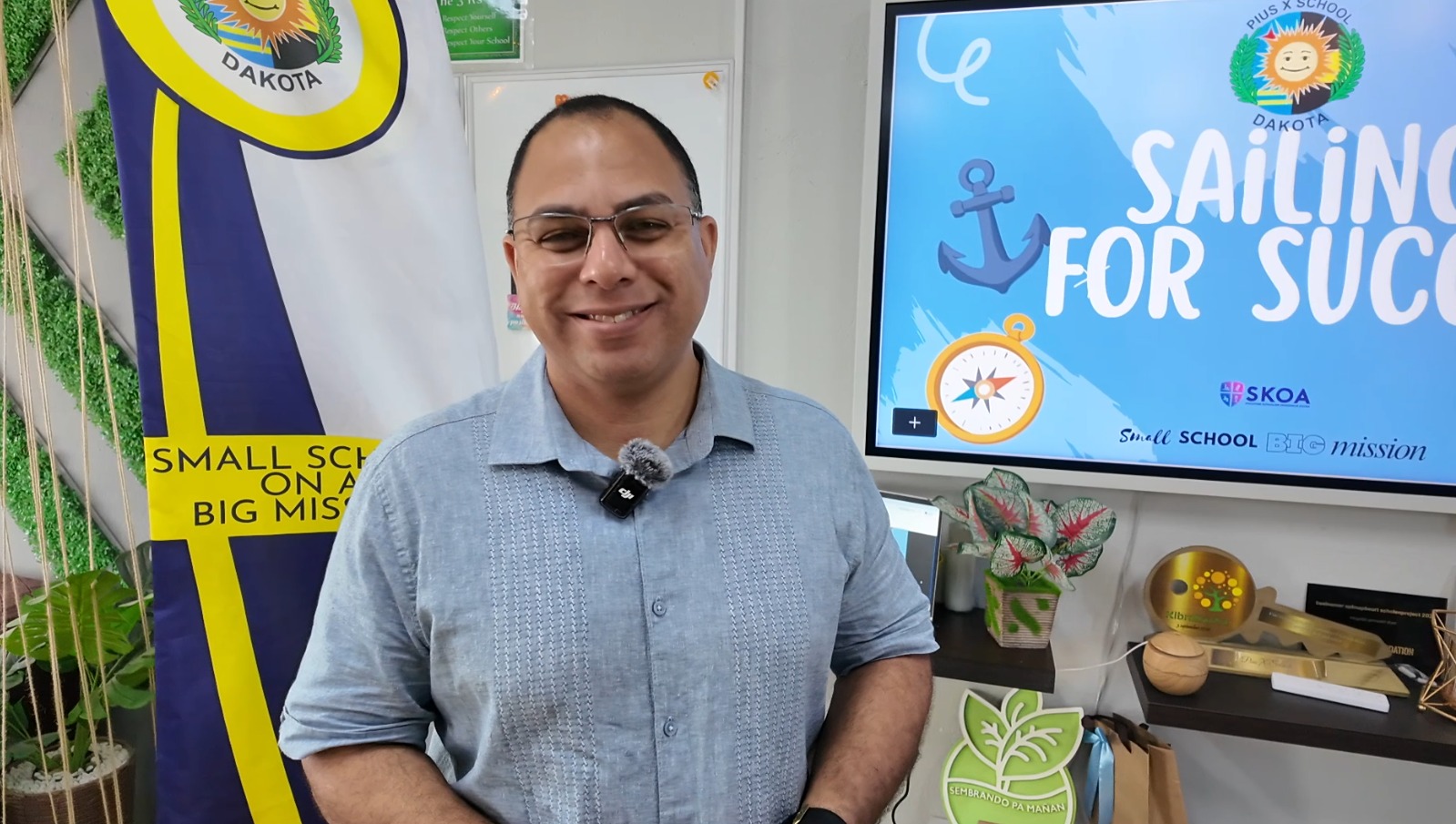
A child who learns to read a food label today can make better choices tomorrow. A child who learns to understand and regulate their emotions builds something that will equip them for the rest of their life, wherever they may be in the world. For PPA parliamentarian Eduard Pieters, that is precisely where education and health meet.
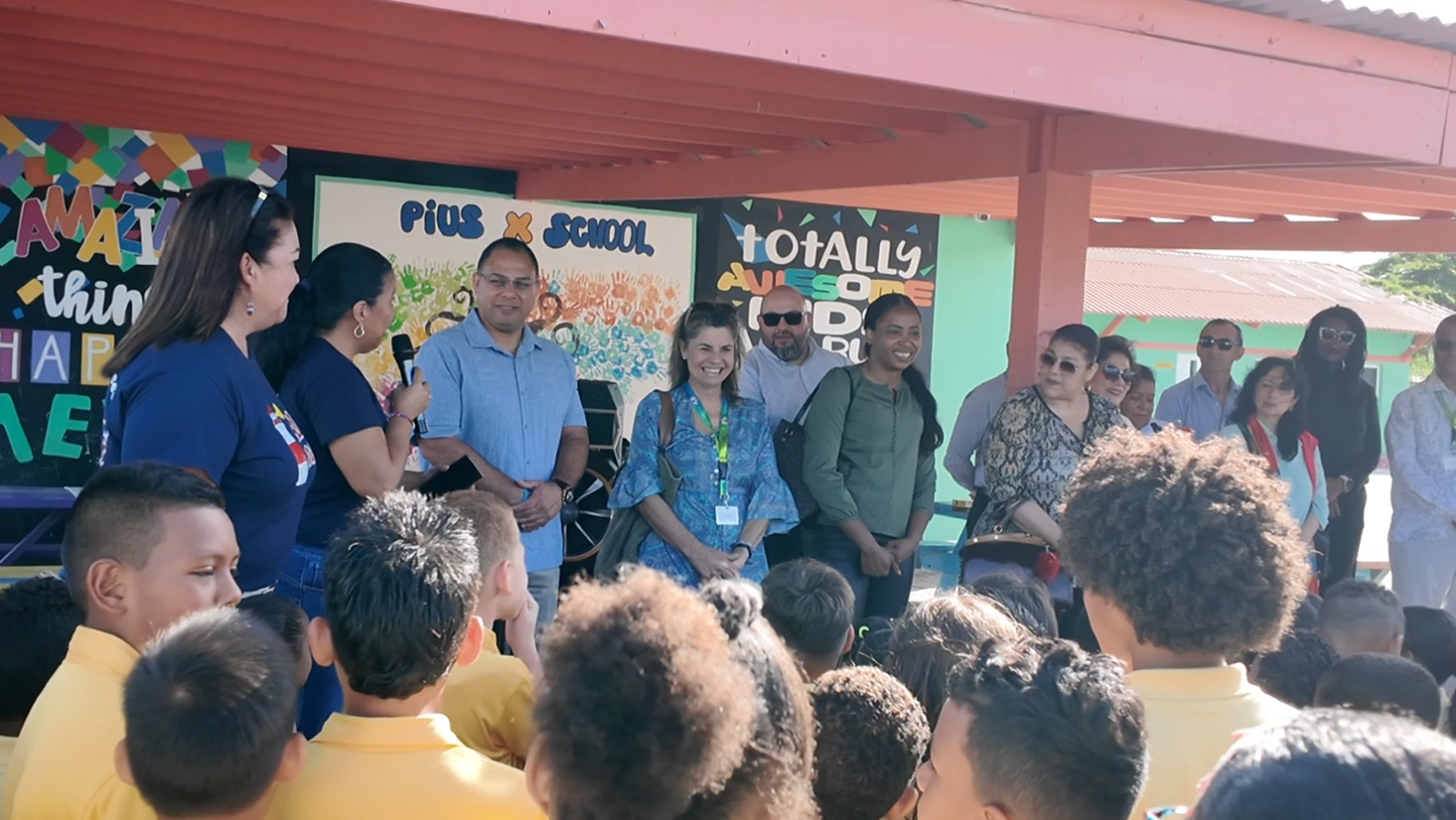
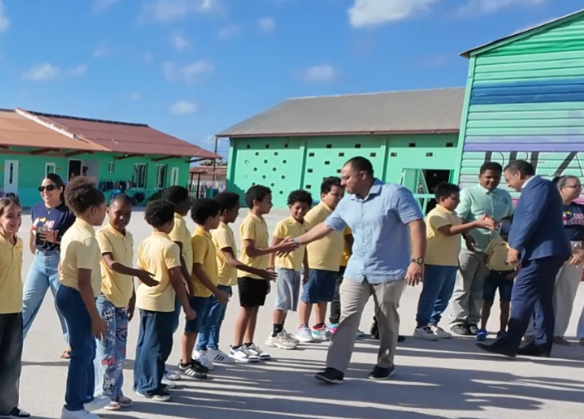
During a parliamentary visit to Pius X School in Dakota, in the context of the work of the Parlatino Commission on Agriculture, Fisheries, and Livestock, Pieters saw in practice how the school works with a healthy school concept and gives substance to the learning domain of Movement and Health.
For Pieters, who himself has a long career in education, this visit confirms something fundamental: children’s health is not solely the responsibility of the healthcare sector. It also starts at home and in the classroom.
Health is much more than food
What particularly stood out to Pieters was the holistic approach. Children are not just learning about nutrition; they work on movement, physical and mental health, and healthy choices. Reading product labels is part of the process: children learn to see what is in their food and distinguish between choices that contribute to their health and those that do not.
“It is not just the food part. This should not be just a subject, but a very holistic domain of development: physical and mental health, movement, and nutrition.” For Pieters, this is education with real-life consequences.
From self-regulation to emotional intelligence
However, the ambition Pieters puts forward is even greater. He wants to see our children develop the ability to self-regulate emotionally, work on their emotional intelligence, and understand how to lead a balanced life.
For Pieters, this is crucial because the ultimate goal of education cannot merely be a child who knows academic subjects. Aruba must nurture young people who are also mentally resilient and equipped with tools to face life. According to Pieters, this contributes to: “Having young people and citizens tomorrow who are mentally and physically strong, capable of continuing to drive this country and the world forward.”
From a good example to structural policy
Movement and Health is already included among the development domains in the official core goals document (kerndoelendocument) for primary education in Aruba. The framework includes, among other things, physical and mental health, nutrition, and movement.
Pieters’ political message is for this developmental area to become a structural reality in schools through legislative changes in education law.
According to Pieters, in a future administration where PPA is part of the government, the party will ensure that the Movement and Health (Beweging en Gezondheid) domain receives the necessary place in education law and proper implementation within the curriculum of all government-funded schools. In this way, the core goals (kerndoelen) and the general and specific objectives used by teachers will be effective, ensuring quality education across every school and school board. This will not apply only to teachers specialized in Movement and Health; Pieters explicitly refers to all primary education teachers, who will be able to work with these goals so that health becomes an integral part of a child’s development rather than an incidental topic.
Investing in health before problems escalate further
The visit to Pius X School was therefore not just a committee visit; it highlights a viable political choice. Aruba can choose to address the consequences of health issues later, or it can begin instilling habits, knowledge, emotional balance, and health awareness from childhood. Ultimately, Pieters stated that he opts for the second choice: “Because a country that wants strong citizens tomorrow must start today by raising physically, mentally, and emotionally healthy children.”