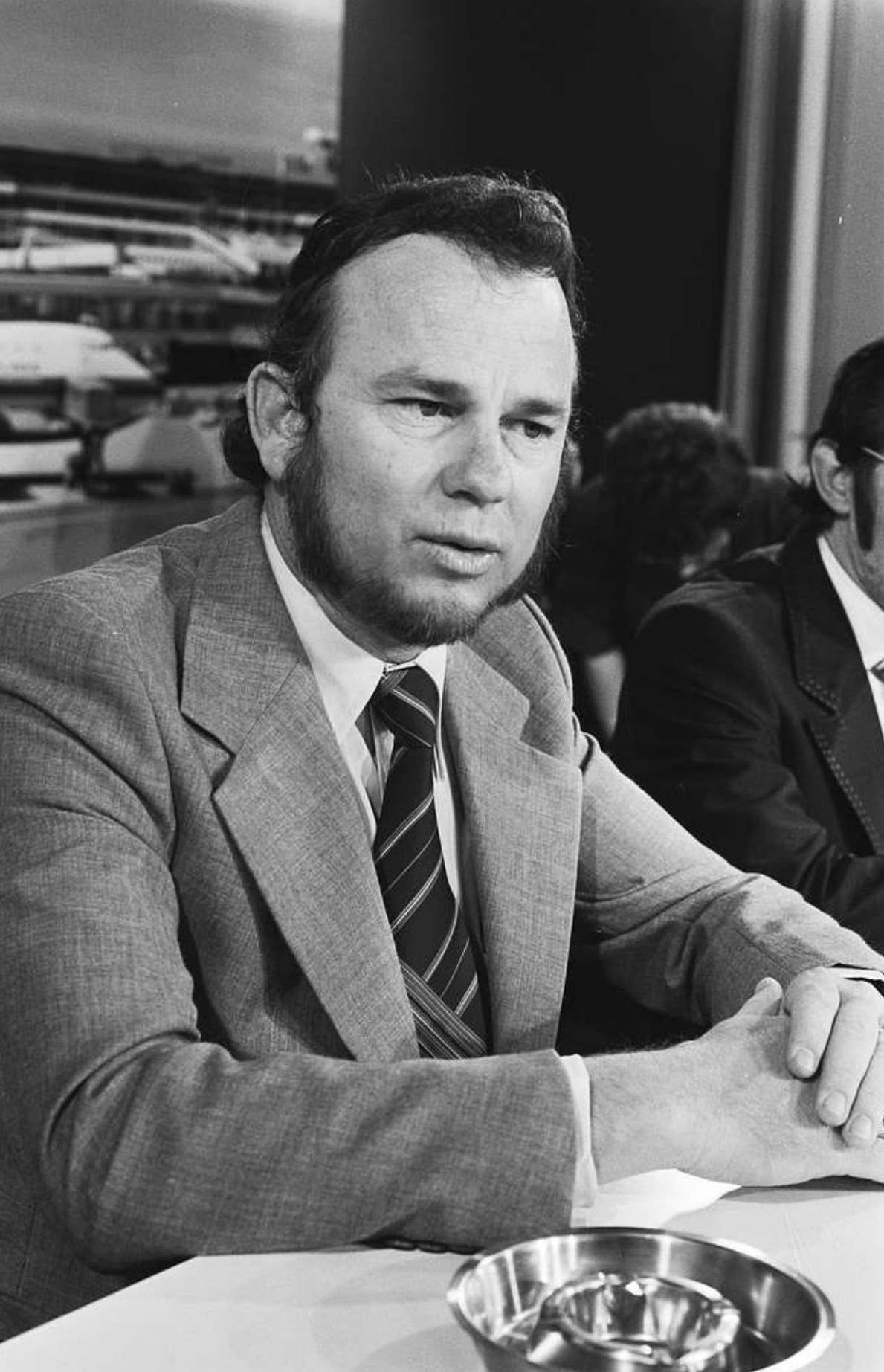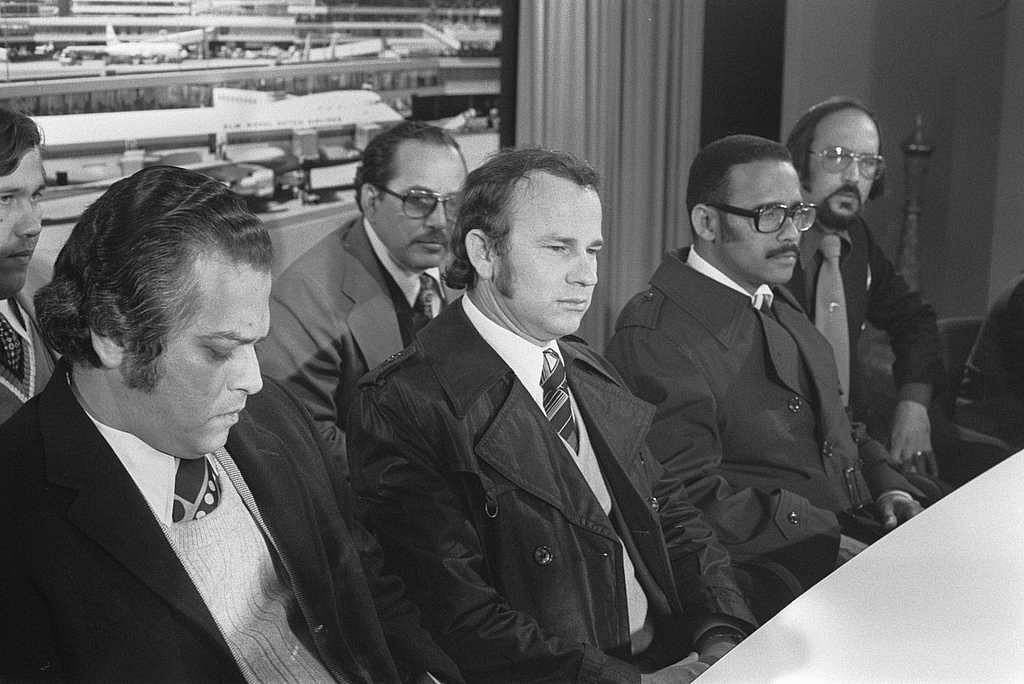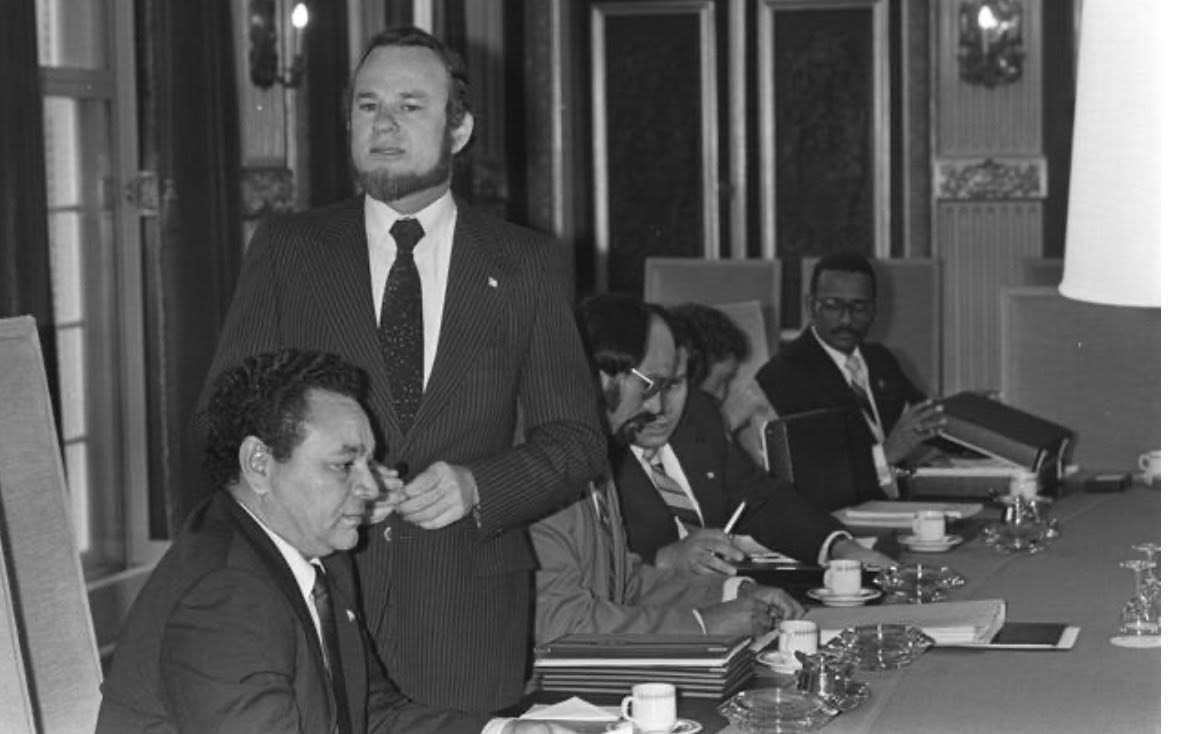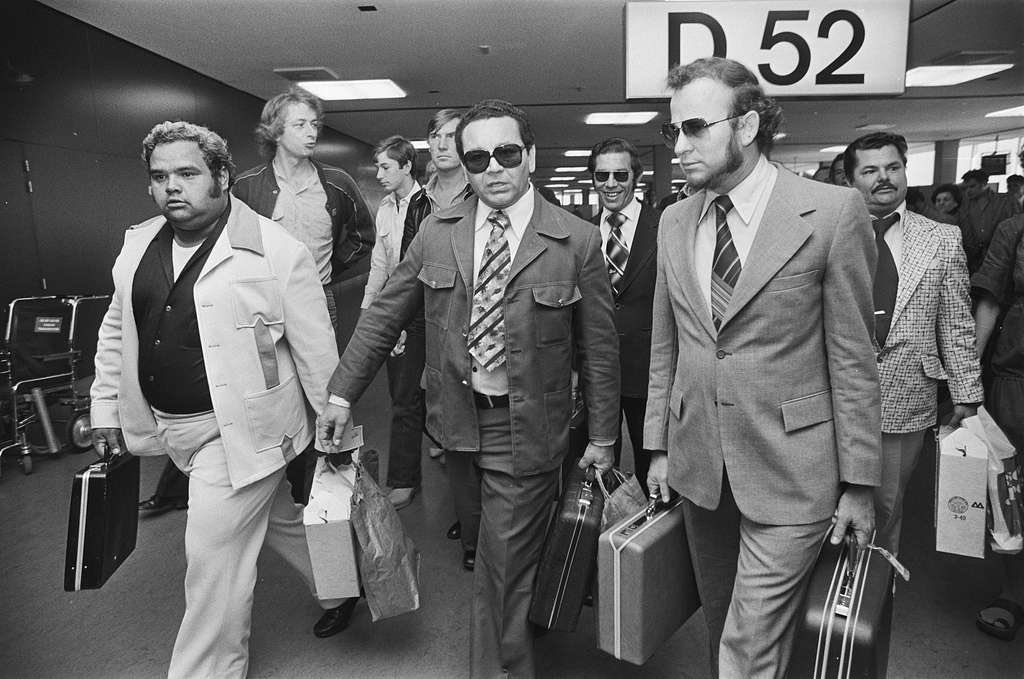

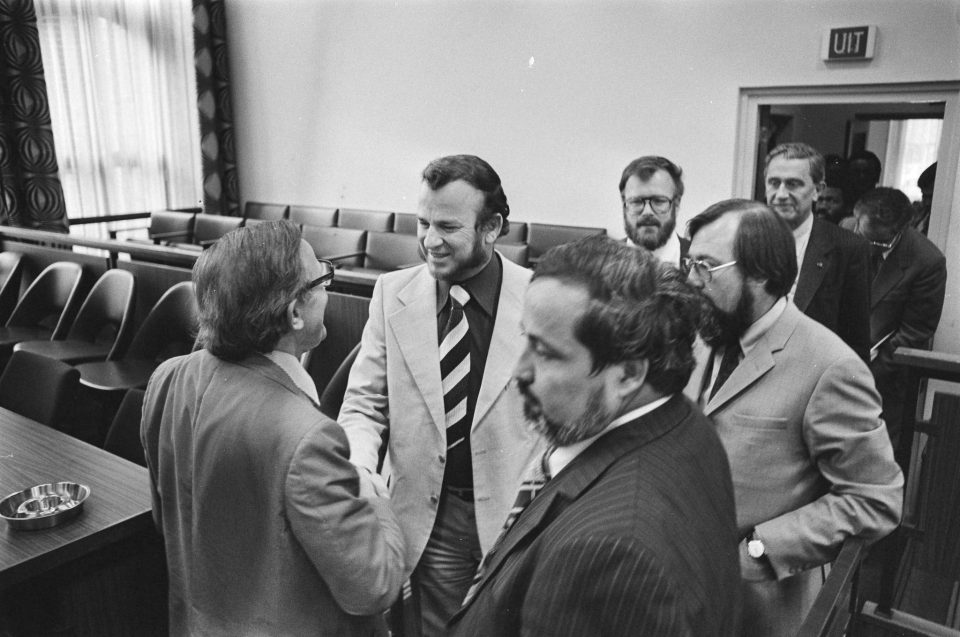
The month of August is one of remembrance and pride for the Aruban people. In August 1977, our people showed courage, determination, and unity in a historic struggle to demand respect for Aruba’s vote and desire for freedom. The period known as “Augustus Scur” (Dark August), which began with the general strike of August 10, 1977, marked a difficult yet decisive moment in our history, during which blood was shed for our freedom for the first time.
After two weeks of intense struggle, on August 18, 1977, the Dutch Government—under the leadership of Prime Minister Joop den Uyl—announced that it had no objections to meeting with an official Aruban delegation, based on Article 26 of the ERNA, which grants Aruba the right to approach the Netherlands in cases of conflict.
On August 19, 1977, the Island Council of Aruba made a unanimous decision to send a single, united delegation representing politics, labor unions, commerce, industry, and the clergy, to defend the fervent wish of the majority of the Aruban people: freedom and self-determination. The delegation arrived in the Netherlands on September 3, 1977.
Members of the official delegation were:
G.F. (Betico) Croes – Head of the delegation
Daniel Leo
Grace Bareño
Clive Lacle
Pedro (Charro) Kelly
Ralph Richardson
Watty Vos
Selwyn Spanner
Advisor: MP John v/d Kuyp
Union Representatives:
Julio Quijada (GWU), M. Malmberg (ANAAB), Ruben Hoek (UPA), Sonny Harms (UEA), M. Croes (VWA)
Representatives of Commerce and Industry:
M. de Cuba (ATSA), E. Arends, M. Roos (Chamber of Commerce), D. Mansur, H. Timmer, M. Kuiperi (ATIA)
Secretary of the delegation: J. Wever
During meetings with the Kingdom Government, Betico Croes made it clear that the Aruban people wished to exercise their right to self-determination and begin preparations for their freedom. For the first time, the Netherlands officially listened to the voice of Aruba—something that would not have been possible without the heroic actions of Augustus Scur.
This struggle also demonstrated the strong unity of the Aruban people. Since the founding of the MEP in 1971, Betico Croes consistently promoted unity. This became even more visible after the introduction of our flag and national anthem in 1976 and culminated in a delegation that represented the entire population, regardless of political affiliation.
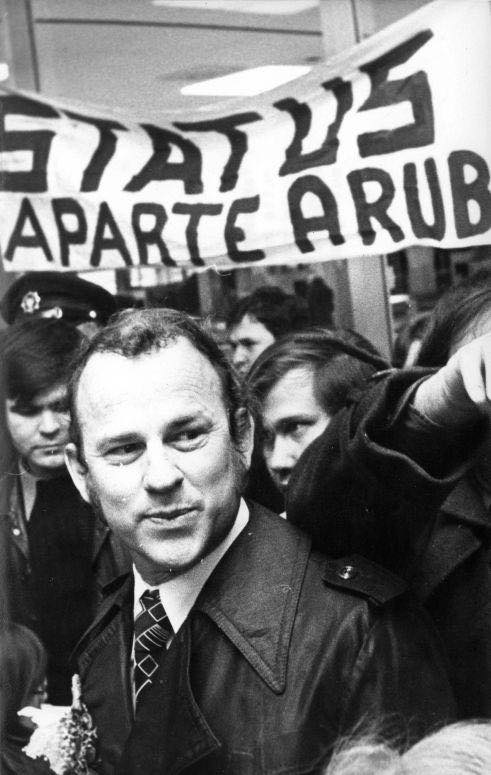
Thanks to the sacrifices, unity, and strong leadership of that period, Aruba today enjoys its Status Aparte—an achievement that must never be forgotten.
August 1977 – a struggle that changed Aruba’s destiny forever
*3 juni 1985