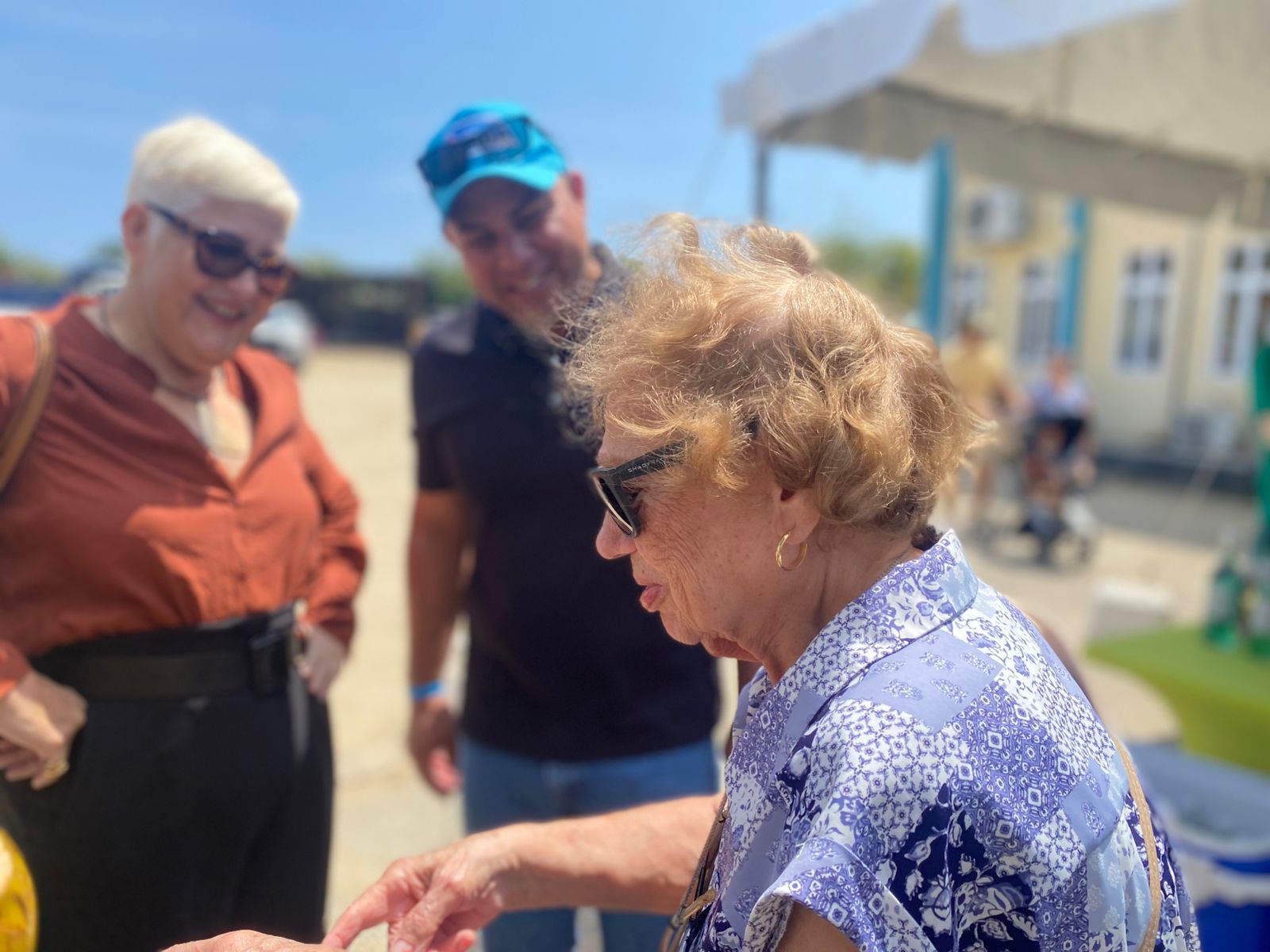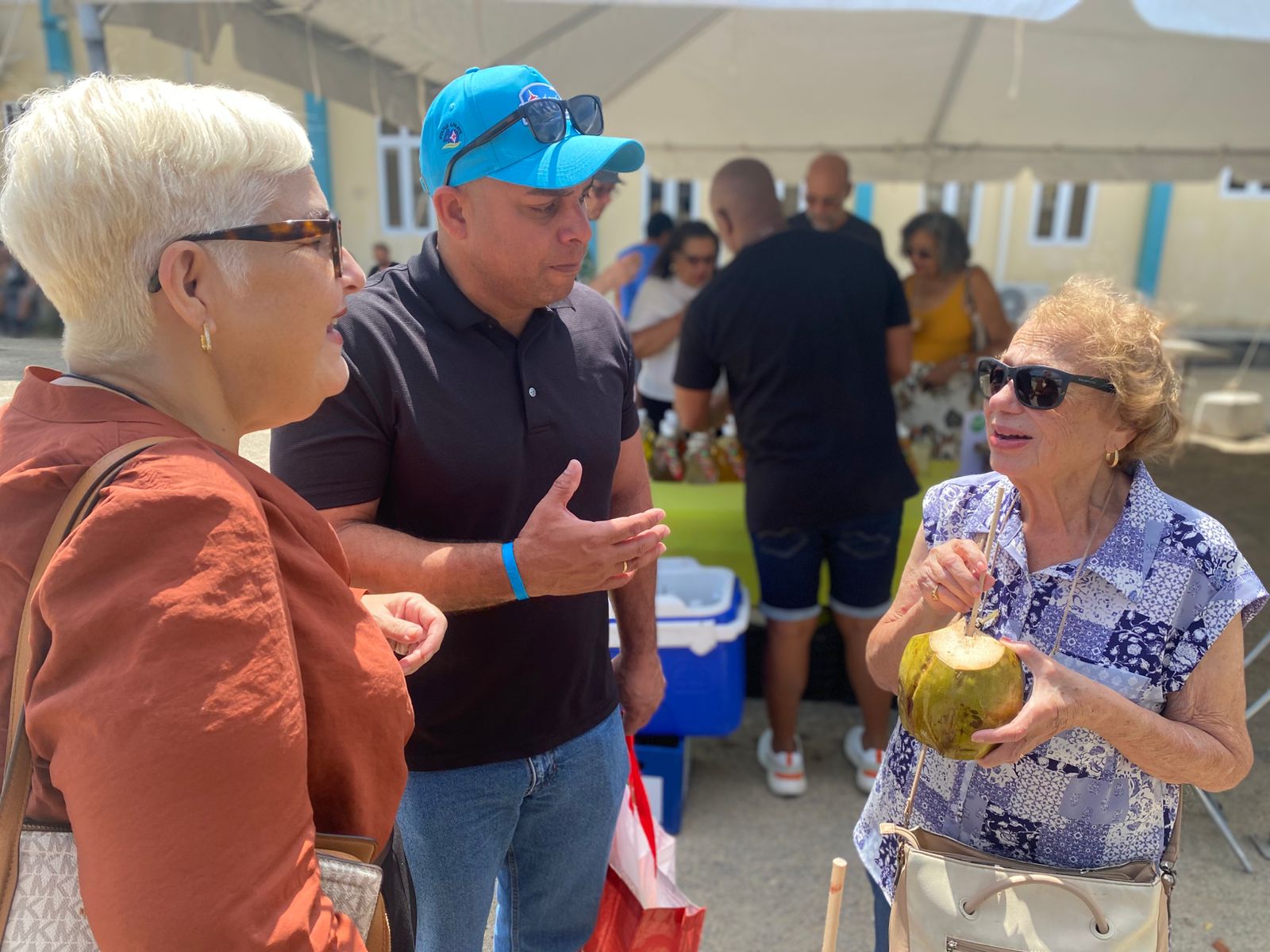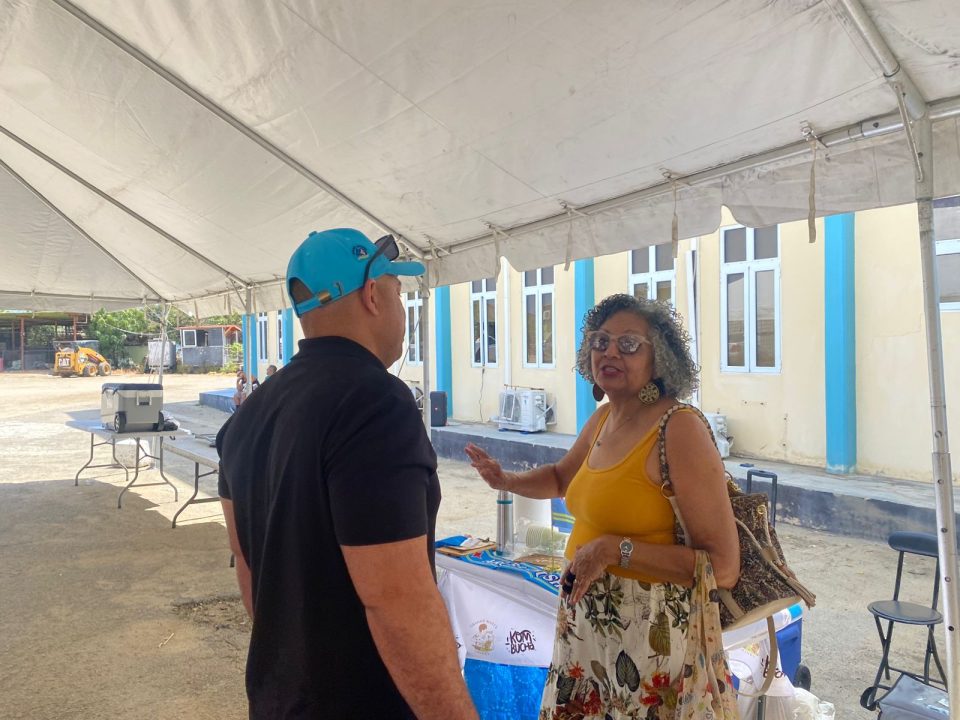
During a recent visit to the Santa Rosa market, the leader of the PPA parliamentary faction, Eduard Pieters, made a strong call to strengthen Aruba’s primary sector. During his visit, where he took the opportunity to purchase fresh products such as lettuce and beans, Pieters advocated for concrete solutions in the areas of water management, technology, and the control of dog and cat pests in order to guarantee the future of agriculture on the island.
Support for Farmers and Local Products
Pieters described the market as a vibrant environment where men and women work hard to produce from the soil of Aruba.
“We see the need in every case to continue supporting them,” he stated, highlighting the quality of products harvested locally.
In a more informal tone, he extended an invitation to his parliamentary colleague, Mr. Bermudes, to also visit Santa Rosa, support local production, and witness its importance firsthand.
Critical Challenges: Water and Animal Pests
During his conversations with producers, Pieters identified priority issues that require immediate political attention:
- Water management: Water remains the most determining factor. Pieters proposed a new perspective on the RWSS (Water Service), focusing on how to convert wastewater (“sushi water”) into irrigation water for crops and grass for livestock in a sustainable and cost-effective way.
- Pest control: Farmers shared their concerns about damage caused by iguanas, lizards, and airborne pests. According to Pieters, listening to these reports is essential for parliamentarians to formulate legislation or assistance that truly has an impact. He also emphasized the situation of stray cats and dogs on the streets, which currently receive more financial support than the agricultural sector.
Looking Toward the Future
The PPA leader expressed strong belief in combining traditional methods with modern technology.
“Aruba must find a way to combine technology with planting in the soil,” he explained, also mentioning alternatives such as vertical farming to optimize the limited land available on the island.
Pieters’ strongest argument was based on the current geopolitical reality. With more than 90% of food products being imported, he considers this situation a risk for the country.
“We must reduce that 90% to 70% or 60%, so that we are not completely dependent on imports from abroad,” Pieters emphasized.
He also announced that he will soon hold a formal meeting with the Aruban Farmers Association to further discuss these issues and explore how Parliament can function as a more effective facilitator for the agricultural sector.