
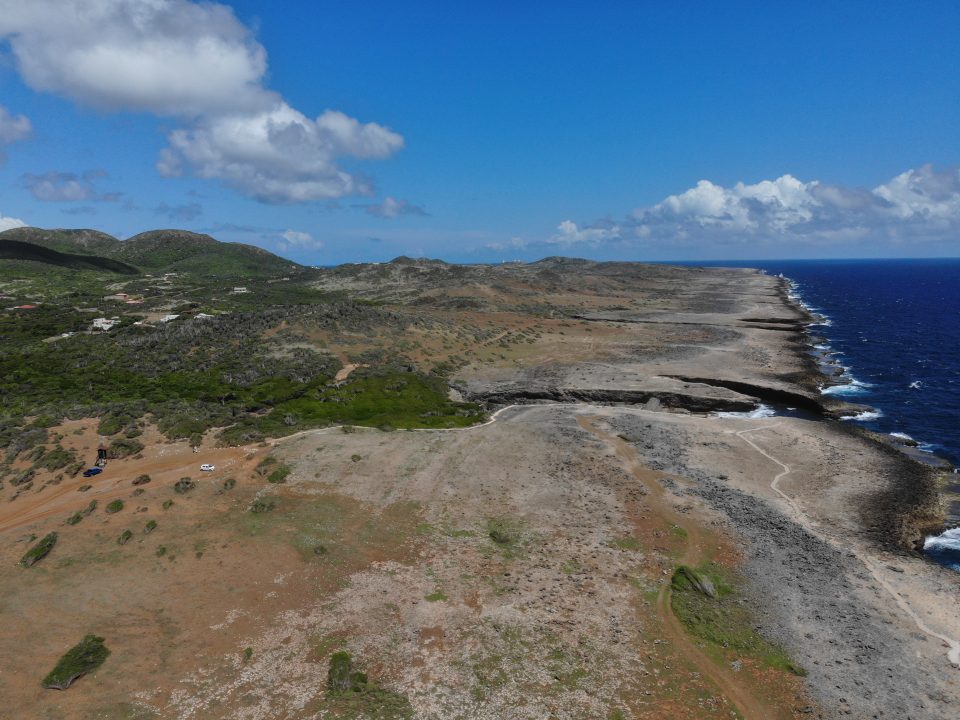
Dutch and Antillean researchers join forces to improve the understanding of nature in Aruba, Bonaire, and Curaçao. A new project combines historical natural collections that have existed for centuries with high-tech image recognition devices and DNA barcoding.
Perhaps there is no other country in the world where biodiversity has been studied more extensively than in the Netherlands. This is largely thanks to the thousands of volunteers involved in collecting biodiversity data. As for the Caribbean part of the Kingdom, there are also many historical collections and a wealth of valuable historical literature. At the same time, there are still many drawers waiting to be examined, and every time we look a little closer, we encounter new or unknown species. There is still a great deal left to discover. Which species are there, how can they be identified, and what condition are they in? For many groups of animals and plants, these are questions we cannot yet adequately answer.
Unidentified species
The Caribbean part of the Dutch Kingdom consists of six islands, three of which – Aruba, Bonaire, and Curaçao – are located off the coast of Venezuela. Nature on these three islands has not yet been thoroughly documented. There are no species lists available yet for groups such as grasshoppers, bees, and beetles, and all of these groups include species on the islands that have not yet been formally described.
Over the past 200 years, however, a large amount of fieldwork has indeed been conducted on the islands. Species were collected and some were used in publications, but much of the collected material remained unused within the collections of the Naturalis Biodiversity Center. To make this collection more accessible and available for nature conservation, the ABC Historical Collections (ABC-NHC) project was launched.
The ABC-NHC project is funded by the Dutch Research Council (NWO) as part of its research program on collections with a colonial context. The project is a collaboration between the University of Aruba, and three nature conservation organizations: Aruba Conservation Foundation (ACF) in Aruba, STINAPA in Bonaire, and Carmabi in Curaçao, Leiden University, and Naturalis. Together with a group of expert volunteers, the project partners will document and digitalize the material from the ABC islands stored in the Naturalis collection over the coming years.
A Time Machine
This information will be used to describe new species, publish species lists, and produce new practical guides. Much of the material is more than half a century old. This creates an opportunity to use the collection like a time machine: which species were present on the islands in the past? One of the project’s goals is to improve the integration of the ABC islands into the digital research infrastructure.
To achieve this, students from Aruba and Curaçao will receive training, barcodes will be added to databases, the image recognition system for the Caribbean islands will be updated, and initial work on sound recognition will begin. The project will conclude with the publication of the book The Biodiversity of the ABC Islands.
The ABC-NHC project will focus on the marine and terrestrial flora and fauna of Aruba, Bonaire, and Curaçao.
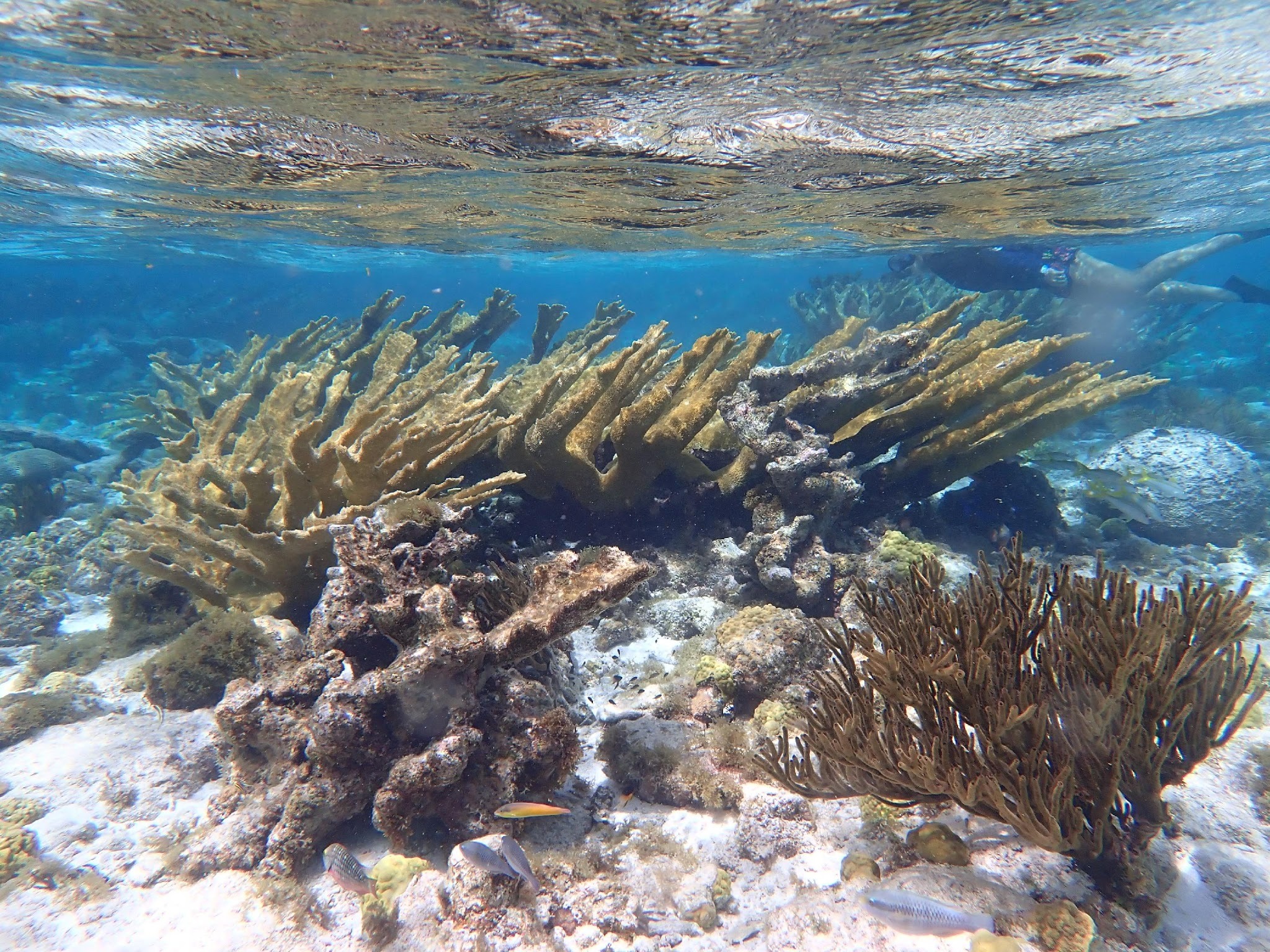
Left side: coral in Bonaire (source: STINAPA); right side: Shete Boka National Park in Curaçao (source: Carmabi Foundation)