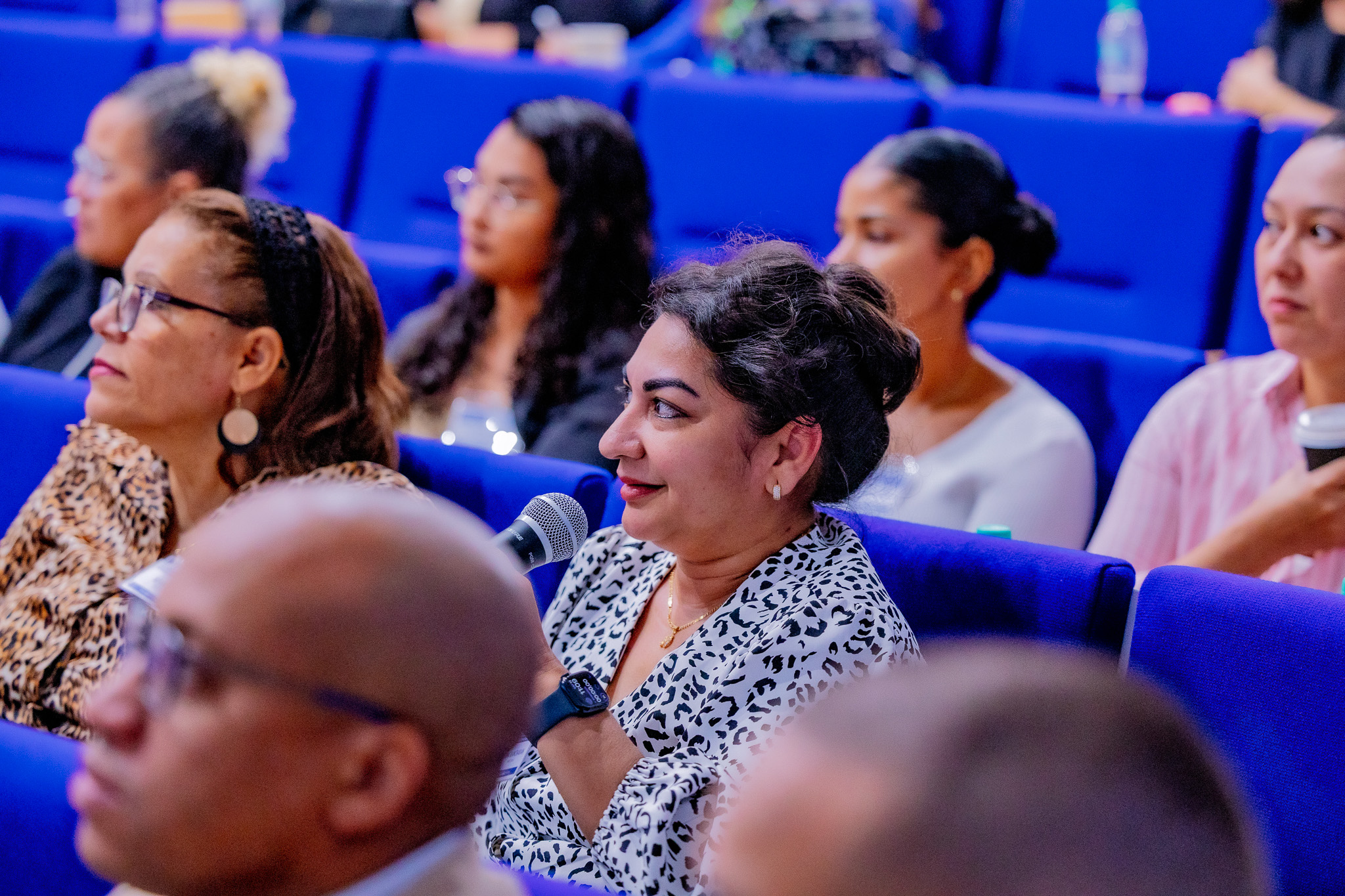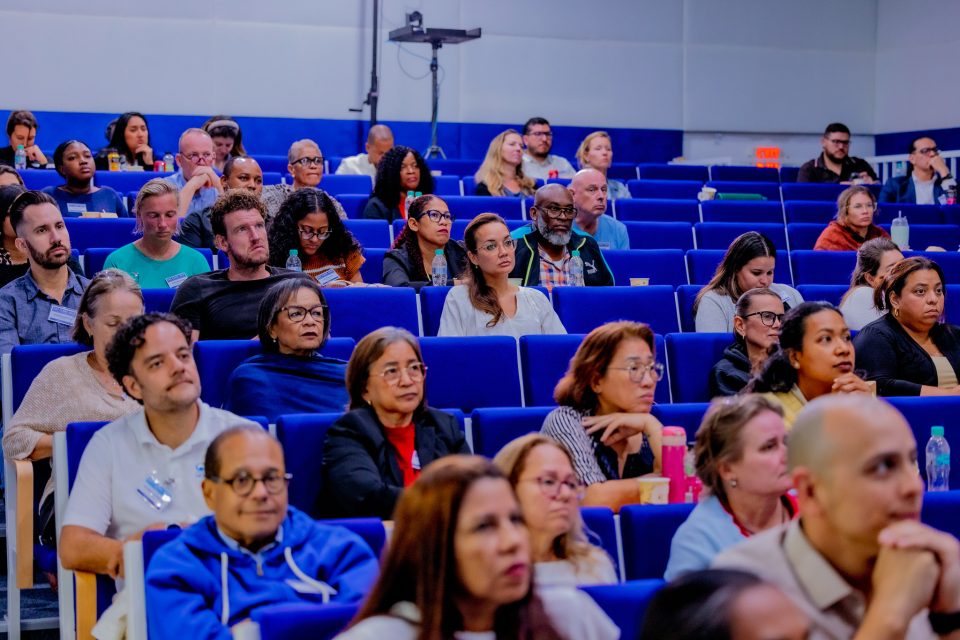
At the HOH Academy and during two Mini DAS Clinics the Dutch Antillean South American Clinic in a mini version organized by the two internists of HOH, Dr. Sandro Waterloo and Dr. Bert Rodenburg, the event counted on the participation of various medical specialties, general practitioners, practice assistants, specialized nurses, and other healthcare professionals in order to stay up to date.
Recently, general practitioners and specialists reached an agreement regarding patient treatment and referrals. During this day, there was a deeper focus on identifying which type of patient belongs to which line of care. Ultimately, this leads to greater efficiency and improves the well-being of patients and the entire Aruba community.
Bert Rodenburg, internist and infectious disease specialist at HOH, explained that the intention of this agreement is to clarify which patients should be treated by general practitioners and which patients should be referred to specialists. The goal is to make more efficient use of healthcare in Aruba. In many cases, patients can remain under the care of their general practitioner because the GP has the appropriate protocols to provide the necessary treatment. After specialist treatment, patients can also return to their general practitioner for follow-up care. This results in greater accessibility to healthcare for patients, as well as a reduction in AZV healthcare costs.
During the day, presentations were given on various medical specialties, including nephrology, orthopedics, cardiology, ophthalmology, internal medicine, urology, and more. Most presentations were delivered by a specialist together with a general practitioner to discuss the protocols. The goal was to clarify the protocols and discuss different examples of treatments that general practitioners can perform themselves, as well as how collaboration can be improved.
According to general practitioner Dennis Rasmijn, this agreement was very well received among GPs. He expressed satisfaction with being able to come together to discuss protocols in order to standardize and make the system more efficient. Dr. Rasmijn appreciated receiving more information on how protocols align with each other, learning from colleagues, and staying informed about developments that benefit patient care.
HOH nephrologist Hardjit Kharagjitsing stated that the DAS Clinic is an excellent platform, as it serves as a bridge between primary and secondary care. This is very important because increased collaboration in healthcare allows for better organization of care, both in the short and long term. In this way, improved care can be provided to chronic patients, with clearer management between specialists and general practitioners.
It was a very interactive day, with the primary goal for all participants being to learn more about the protocols, which ultimately will increase efficiency and quality of healthcare in Aruba. Appreciation is extended to all speakers, the hospital, and members of the organizing team for their hard work in making this event possible once again.