

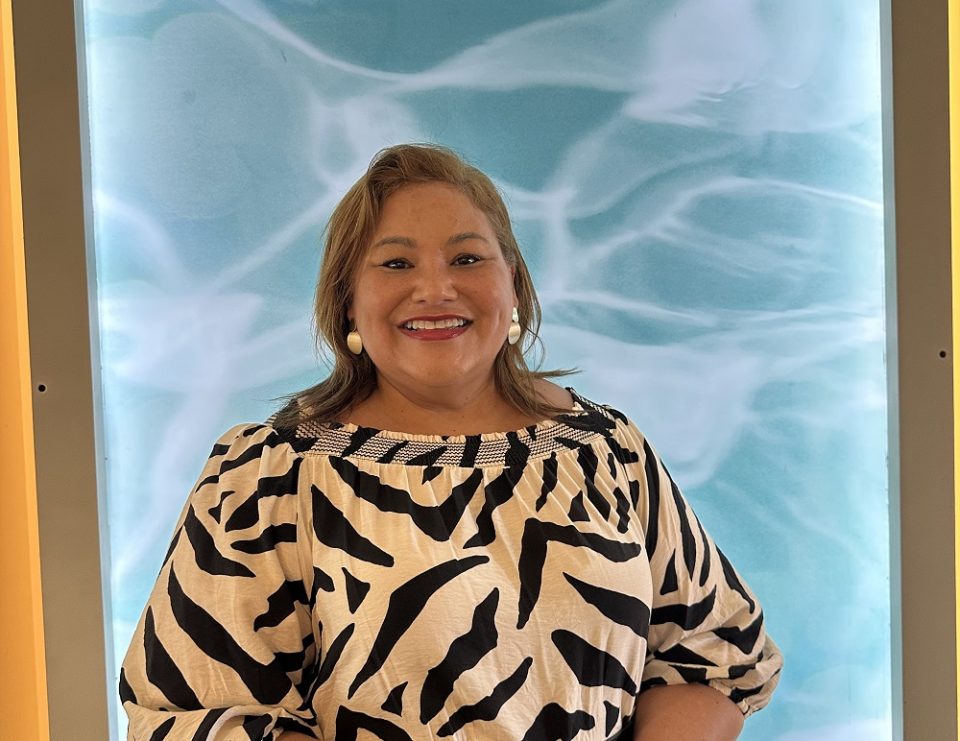
With a view to the recent announcement regarding the official launch of the ‘Reporting Point for Elderly Abuse’ (Meldpunt pa Abuso contra Adulto Mayor) by the Department of Elderly Affairs (Directie Ouderenzaken), I would like to reflect on a social issue that must be structurally confronted in the heart of our homes.
The data shared by the department causes deep pain. Since January of this year, a worrisome number of abuse and neglect cases are already being handled by the department in conjunction with other stakeholders. Even more painful is the reality that a large portion of these cases is tied to family conflicts, which translates into neglect, a lack of proper care, and, on many occasions, the social isolation of our elderly.
An issue that knocks on our conscience
Elderly abuse is not always physical; it is hidden in a lack of attention, in financial abandonment, and in forgetting those who once gave everything for us. “We cannot allow the people who built this country, those who made sacrifices for their families, to spend their final years living in fear, neglect, or feeling like a burden,” Shailiny Tromp-Lee expressed.
This problem is a direct call to our family nucleus. As children, siblings, or grandchildren, we have a moral and sacred duty that cannot be delegated to an institution alone. The care and protection of our elderly begin at home. Home must be the safest place for them, not the place where their rights are violated or where they are mistreated.
Break the silence: report
For this reason, Tromp-Lee makes a strong appeal to the entire community of Aruba not to turn a blind eye when there is suspicion of an unjust situation, neglect, or abuse. A healthy and civilized community is measured by how it treats the most vulnerable links in its society, specifically our children and our elderly.
Breaking the silence is an act of love and civilization. If you live near, observe, or have a serious suspicion that an elderly person is being intimidated, legally or financially mistreated, or structurally neglected by their family circle, you have the tool to act.
The telephone line 281-5182 of the Department of Elderly Affairs is available during office hours to receive all reports and initiate the multidisciplinary assistance process together with specialized institutions such as the Aruba Police Force (KPA), the Department of Social Affairs, and the Veiligheidshuis (Safety House).
Structural Commitment
“I support the efforts of the Director of the Department of Elderly Affairs, Desiree Helder, and her team in forming these formal protocols and covenants. As a member of parliament, my commitment remains firm to support, monitor, and provide the necessary legislative and budgetary push for these types of initiatives. Our elderly cared for us in the past; now, structurally, it is our turn to give them back the dignity and security they deserve,” Tromp-Lee concluded.