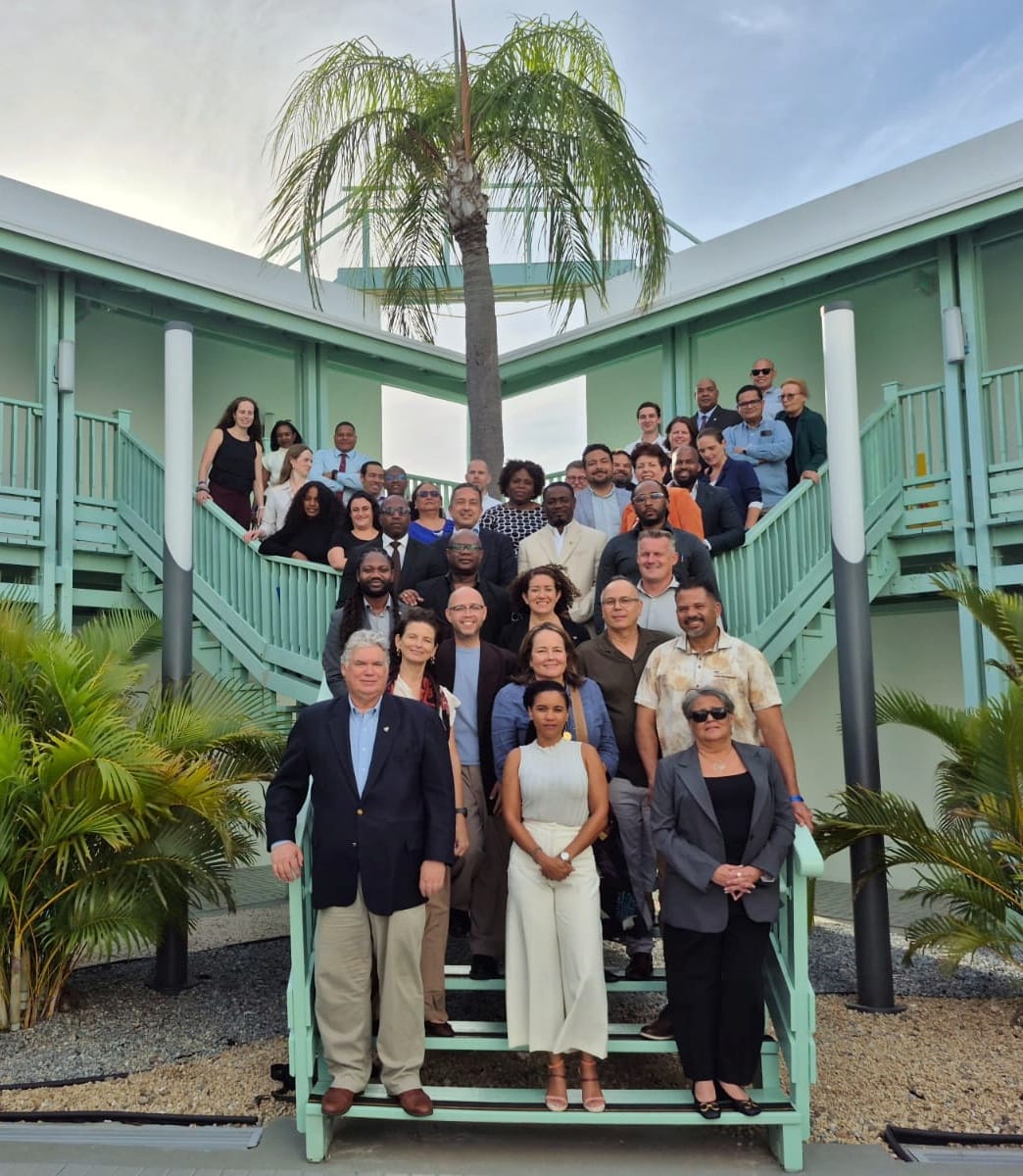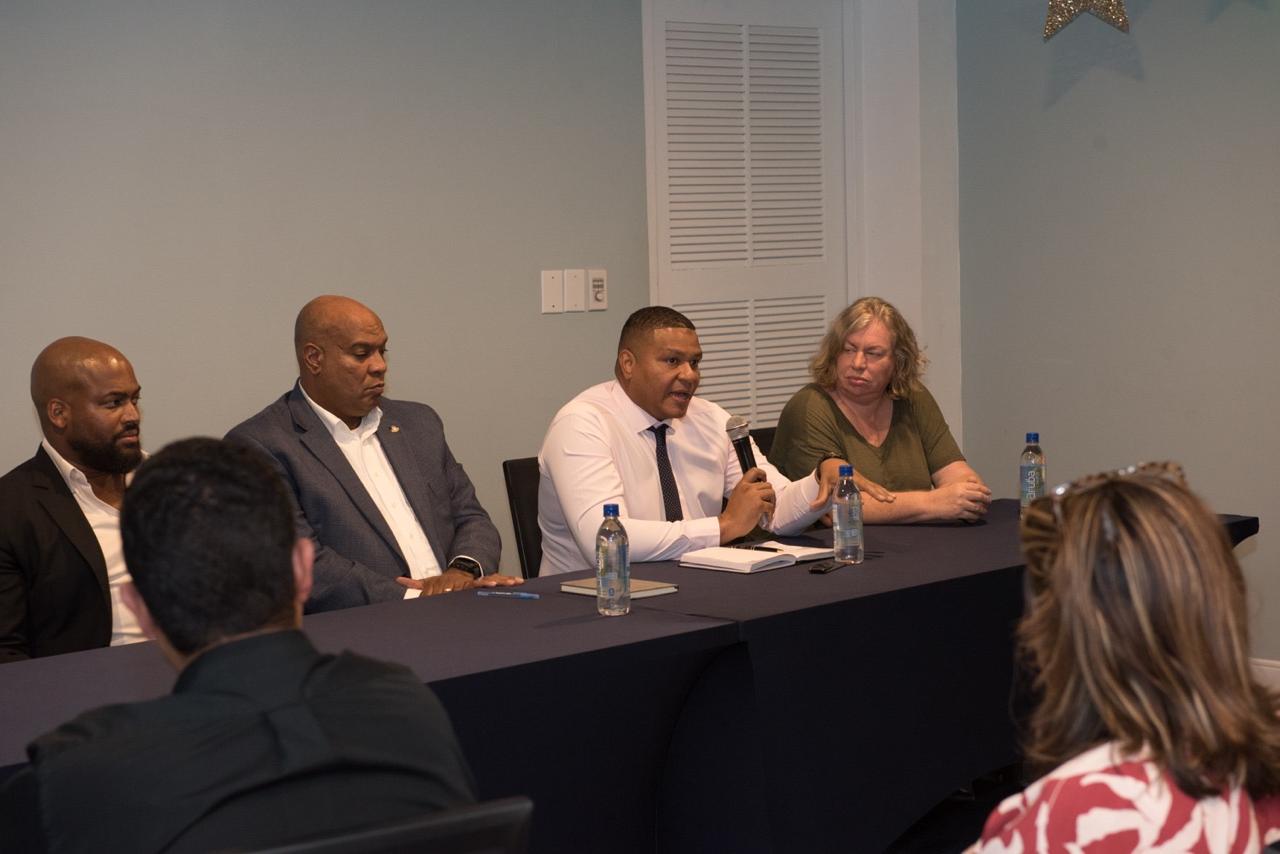
Last week, the Taskforce Bestuurlijke Aanpak Aruba (TBAA) organised the first Aruban conference on the possible role of Bibob legislation in addressing undermining.
Bibob stands for “bevordering integriteitsbeoordeling door het openbaar bestuur” (promoting integrity assessments by public authorities). With such legislation, the government can prevent permits, subsidies or public contracts from ending up in the hands of persons or organisations with criminal ties. This way, it becomes administratively possible to counter criminal infiltration into the economy without having to resort to criminal law: the so-called “administrative approach to undermining”.
The conference was titled: “The power of Bibob, from legislation to resilience. Caribbean opportunities and dilemmas when choosing Bibob legislation as an administrative instrument against undermining.” Undermining refers to the phenomenon whereby criminals misuse people and bona fide businesses for their illegal activities, such as money laundering, fraud and human trafficking. They often put people under pressure to help them. Sometimes criminals try to gain influence over government. In doing so, they seek to exploit the community for their own gain. This leads to greater insecurity, economic damage and reduced trust in government. In addition, honest companies are forced to compete with criminal investors, which makes their position more difficult.
The government is trying to raise awareness among citizens, businesses and civil servants about undermining and its negative impact on the community. It also aims to strengthen public administration and develop enforcement tools to address undermining more effectively.
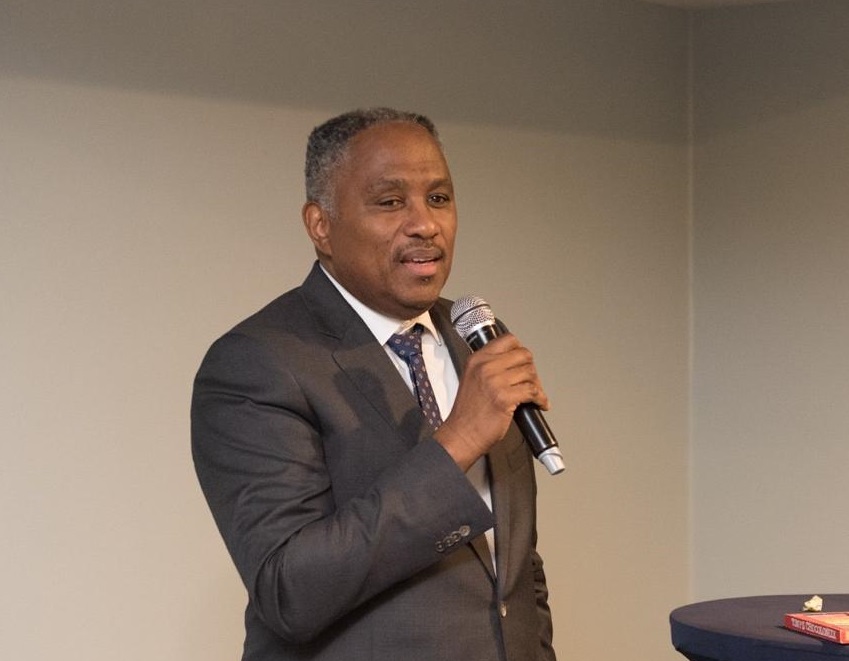
Bibob is an administrative instrument with great potential in tackling undermining, but it is complex and still relatively unknown. Aruba and the BES islands are already taking steps towards such legislation, tailored to the local situation. The Bibob conference focused on the opportunities, steps and dilemmas that arise when a country opts for Bibob. Minister Dowers of Justice, Integration and Energy, opened and closed the conference and personally addressed the participants.
The conference was aimed at professionals and advisers in the public sector who support the policies of Aruba, Curaçao, Sint Maarten, Bonaire, Saba and Sint Eustatius. Over the course of two days, the participants shared their ambitions and vision regarding the legal possibilities to tackle undermining at the administrative level. Together with experts from the European part of the Netherlands, they gained practical experience with Bibob on the basis of concrete case studies. They also explored steps for administrative implementation in the local context and identified common points of departure, opportunities for cooperation and bottlenecks in the exchange of information within the Kingdom.
The Taskforce Bestuurlijke Aanpak is a partnership between various government services in Aruba to carry out administrative actions against undermining, strengthen information positions and run awareness-raising campaigns. Permanent partners include, among others, the KPA, the Public Prosecution Office (OM), the Ministry of Justice, Integration and Public Transport, the VDA, the FIU, the Landsrecherche, Bureau Integriteit Aruba (BIA) and DEZHI (DEACI).