During the tripartite meeting that took place this morning, the main topic was the evaluation of the ‘Landspakket’ (Country Package). The results of this evaluation, analyzed by an independent expert, turned out to be strongly positive for Aruba, Curaçao, and Sint Maarten. This outcome is viewed as a triumph for the islands, which stood firm in the past against the imposition of a Kingdom Law (Rijkswet).
The PPA faction leader indicates that the evaluation, which provided insight into the reforms introduced following the COVID-19 pandemic, was qualified as highly reliable (“betrouwbaar”) due to the neutral perspective of the expert. The report confirms that the islands are structurally implementing the changes to make their finances and governance stronger.
To understand the current success, one must look back at the origin of the Landspakket. During the pandemic crisis, the Netherlands provided structural financial aid but demanded that these reforms be tied to a Kingdom Law. The initial intention was to introduce this first through the Caribbean Reform Entity (CHE) and later through the organ COHO (Caribbean Organ for Reform and Development).
However, thanks to a solid union between Aruba, Curaçao, and Sint Maarten, and with the support of the Parliament of the Netherlands, those proposals were swept off the table. The islands opted to apply Article 38, paragraph 1 of the Statute, choosing a mutual agreement (onderlinge regeling) instead of a Kingdom Law.
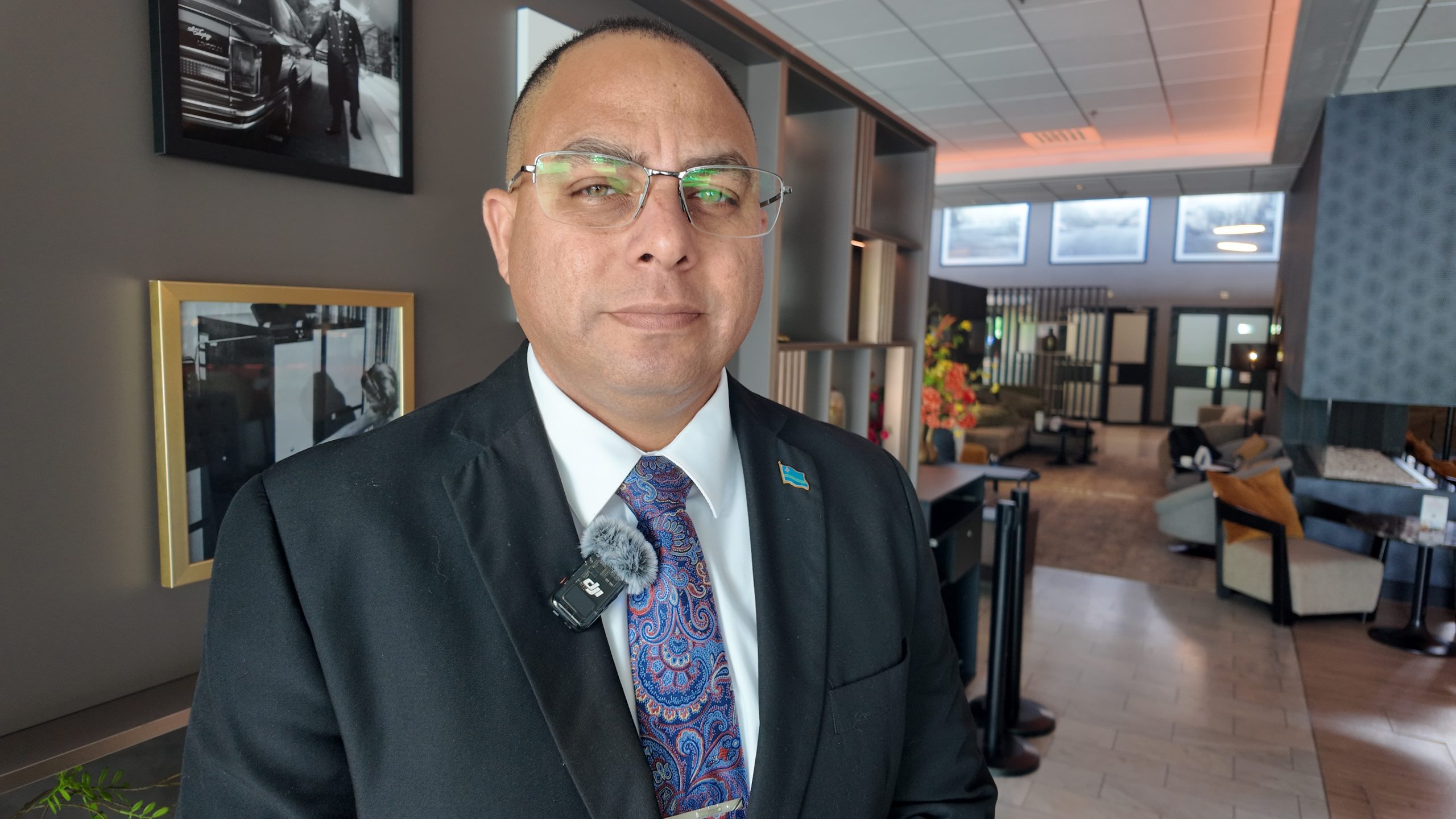
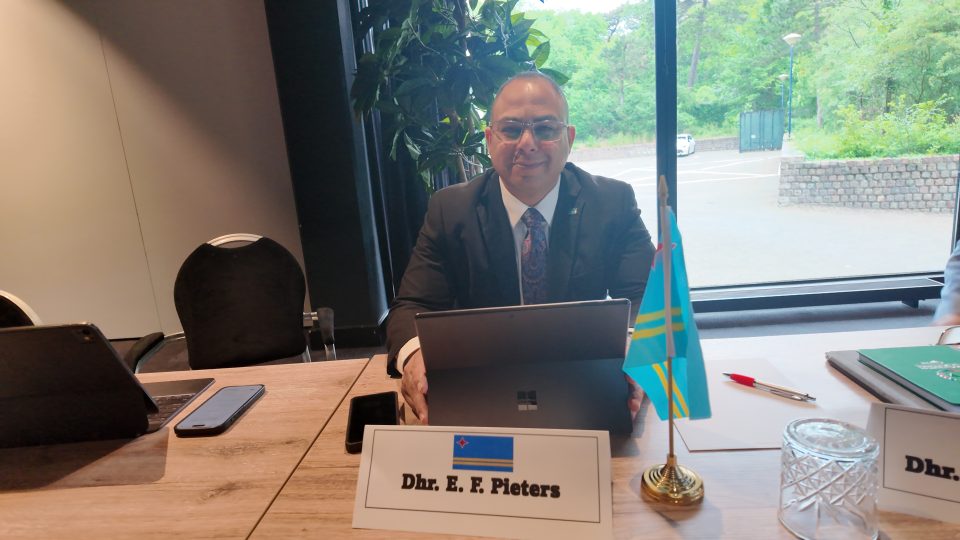
According to Member of Parliament Eduard Pieters, all three countries stood firm because they said: “No, we do not want this in a Kingdom Law, we want this via a mutual agreement.”
Now, three years after the signing of the mutual agreement in 2023, the data proves the islands right. The biggest takeaways highlighted from the evaluation are:
Ownership of the process: Aruba, Curaçao, and Sint Maarten maintained control and leadership over their own reform processes, instead of leaving it in the hands of an organ imposed by the Netherlands.
Successful results: The independent evaluation aligns with the vision that Aruba already had to improve its internal management and processes.
Economic resilience: The reforms were implemented simultaneously at a time when Aruba had to bounce back and revive its economy, after being one of the countries most affected by the pandemic on a global level.
Warm congratulations are extended to the people of Aruba, especially to the civil servants who worked tirelessly on these reforms. This effort demonstrates that the public apparatus had a good vision and worked hard to make these changes a successful reality.