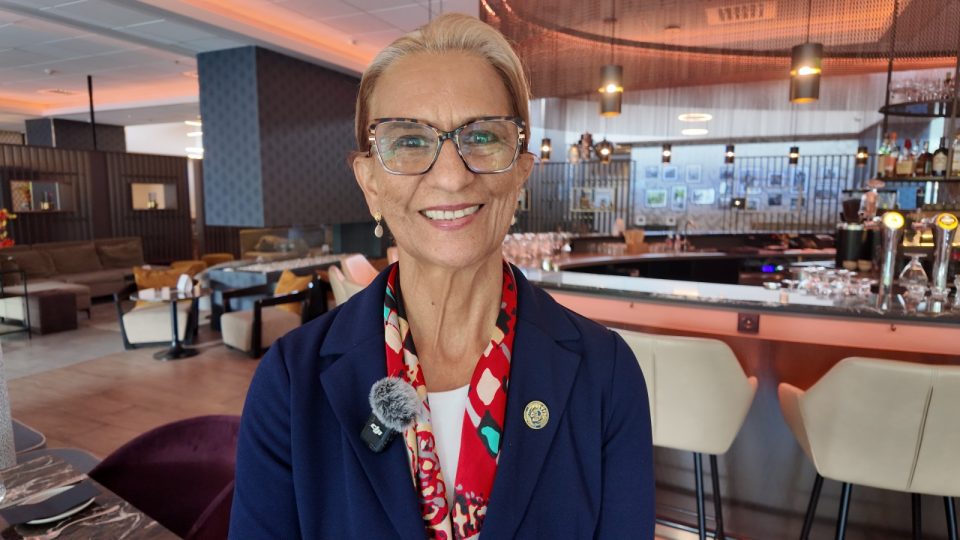
This week, parliamentarians from the three Caribbean countries within the Kingdom structurally sat down around the table in the Netherlands for the Tripartite meeting. This time, the organization was handled by Sint Maarten, fulfilling the regular rotation between the islands, and it progressed in a highly positive and fruitful atmosphere.
During the meetings, the delegations from Aruba, Curaçao, and Sint Maarten addressed heavy topics that have a structural impact on the constitutional relations within the Kingdom. According to the President of the Parliament of Sint Maarten, Sarah Wescot-Williams, one of the main points on the agenda was the dispute regulation (geschillenregeling). The general consensus among the three parliaments is that a final point must be put behind these long discussions.
The draft (concept) for which the countries were responsible has already been put into process and has received the corresponding advice from the Council of State (Raad van State). What remains now is for the three Caribbean countries to address and structurally coordinate the final key points together in order to give this topic a definitive conclusion.
A strategic decision highlighted during this Tripartite meeting is the commitment of the three parliaments to continue meeting structurally, especially during periods when no IPKO (Interparliamentary Kingdom Consultation) is scheduled. The goal of this approach is to debate and exchange positions on matters that directly affect the islands at a parliamentary level.
A clear example of this was the decision to hold an open exchange of views and positions regarding the current situation surrounding the Central Bank of Curaçao and Sint Maarten (CBCS), a topic brought forward by the interested delegations.
Looking ahead to the IPKO meetings, the Tripartite prepared the ground for a debate that will be of utmost importance: the issue of the Kingdom’s history of slavery. The parliamentarians structurally discussed the statements recently made in this context, as well as the funds that the Netherlands has made available. Going forward, the primary focus for the three Caribbean countries is how, and for what legal purposes, these funds will be utilized to guarantee they have a significant impact on the communities concerned.
The delegations look back on a successful Tripartite meeting and are expecting a very concrete, solid, and significant conclusion for the position of the islands before the debates with the Dutch partner begin.
Parliaments of Aruba, Curaçao, and Sint Maarten structurally on the same page during Tripartite in the Netherlands