

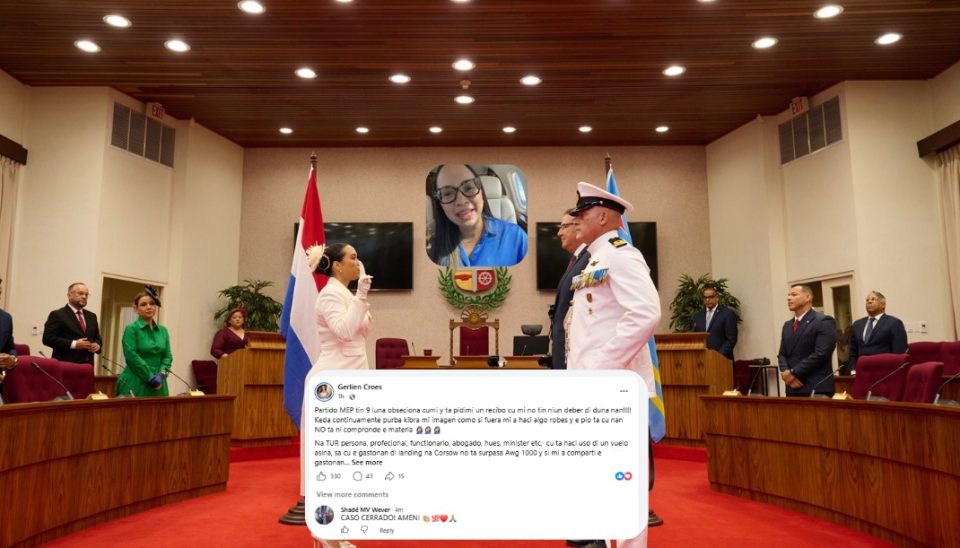
When a minister travels or manages public funds, they are subject to strict rules of transparency and accountability. This means that:
Accountability to Parliament: Parliament is the body that oversees the Government. A minister has a legal and political duty to answer questions (oral or written) raised by members of parliament regarding their business trips, the purpose of those trips, and the expenses incurred.
Transparency in Spending (Budget): Each minister manages a budget approved by Parliament. Travel expenses, representation costs, and the allocation of public funds must be fair, reasonable, and fall within the framework of the budget assigned to that ministry.
Consequences of Mismanagement: If it turns out that a minister used public funds without justification or acted against integrity rules, they may face a motion of no confidence. In extreme cases, the minister may be forced to resign.
To guarantee good governance, Parliament has various tools to demand accountability:
Parliamentary Questions: Members of parliament can request access to travel invoices or reports on the outcomes of a business trip.
Public Meeting or Committee: A minister can be summoned to provide explanations in a public meeting to justify why certain financial decisions were made.
These principles ensure that leaders serve the people with integrity and that every florin of the public budget is used in the best interest of the Country of Aruba. However, today Minister Gerlien Croes indicated in a public post that “I have no duty to give them anything” (or “I have no duty to account to them”).