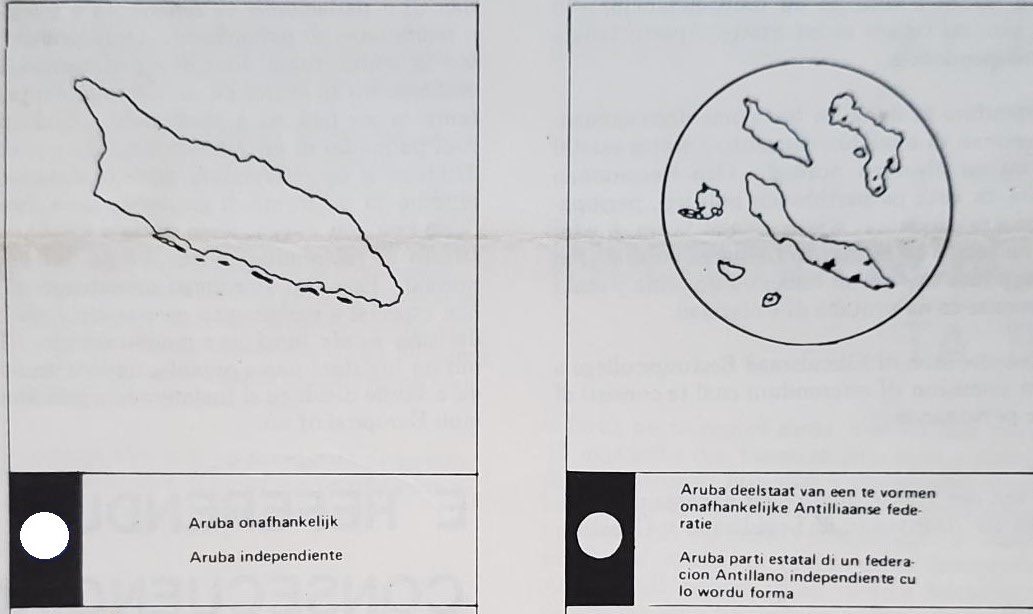
On March 25, 1977, Aruba made history with the first consultative referendum within the Kingdom of the Netherlands—an event that forever marked the path of our island toward autonomy.
Despite being a small territory with barely 60,000 inhabitants, the Aruban people found leadership in the great visionary Betico Croes, a fighter with faith, courage, and determination to defend the right of self-determination for our people.
For many years, Aruba was in a difficult position within the Antillean constellation, as a political minority without the economic instruments to manage its own development. The people lost confidence in traditional politics, which ultimately led to the founding of the MEP in 1971, reigniting the struggle for autonomy.
With the motto “Vox Populi, Vox Dei” (The Voice of the People is the Voice of God), the Government of Aruba organized the referendum to allow the people to express their will democratically. Referendum and Information Commissions were created to ensure debate, education, and broad popular participation across the island.
Despite opposition from the Netherlands, the Antillean government, and a total boycott by the AVP, the referendum went forward. The result was clear and overwhelming:
82.5% of voters gave a strong mandate for Aruba to leave the Antillean constellation.
The process received international recognition, with observers and journalists from different countries, and it also marked a progressive step as 18-year-olds—even non-Dutch nationals—were granted the right to vote.
Although the result was downplayed at the time, history has proven its value. The 1977 referendum became the decisive instrument that ultimately led Aruba to its Status Aparte on January 1, 1986.
March 25, 1977—a symbol of courage, unity, and determination of the Aruban people.
Eternal honor and respect to Betico Croes, Liberator of Aruba.